
Walk into any dispensary and you’ll see it immediately: two pre-rolls that look “about the same” can be priced miles apart. One is a $5 quick smoke, another is a $20 “connoisseur” tube, and a five-pack might be the best deal on the shelf.
This guide breaks down what a reasonable pre-roll price looks like in the U.S., why prices swing so much, and how to sanity-check what you’re paying (or charging) without overthinking it.
Note: This is practical pricing context—not legal advice. Always follow your state’s rules for cannabis products, labeling, and packaging.
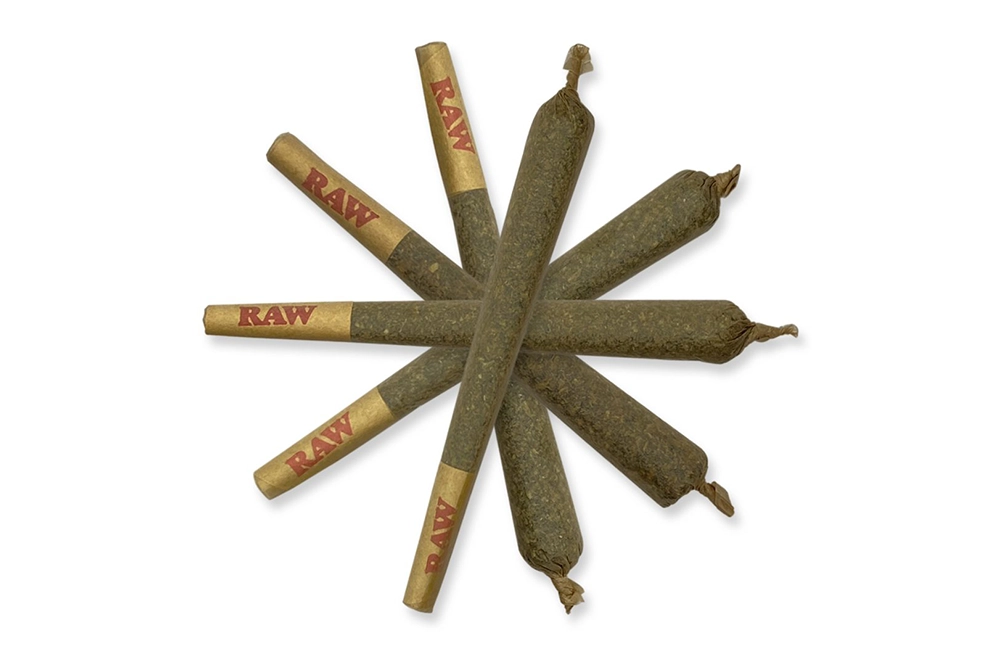
Table of Contents
Quick Answer: Typical Pre-Roll Price Ranges
Most shoppers want the “what’s normal?” range. Here’s a practical baseline. These are typical pre-tax shelf prices; your out-the-door price can change a lot depending on state/local taxes and promos.
| Pre-roll type | Common size | Typical price range | What you’re paying for |
|---|---|---|---|
| Value / everyday single | 0.5g–1g | $4–$10 | Basic flower, simple cone, minimal branding |
| Mid-tier single | 1g | $8–$15 | Better flower, tighter QA, stronger brand consistency |
| Premium / “connoisseur” single | 1g+ | $12–$20+ | Top-shelf inputs, specialty strains, “experience” packaging |
| Infused pre-roll (distillate/rosin/etc.) | 0.5g–1g | $12–$30+ | Added concentrate + more labor + more QA variability |
| Multi-pack (3–10 pack) | 0.35g–0.5g each | $18–$45+ | Lower per-unit packaging/labor + “trial” convenience |
If you want one sentence: most standard single pre-rolls land around $6–$15, infused usually starts around the low teens and climbs fast.
Real-World Benchmarks from Market Data
Instead of guessing, here are a few reference points from widely cited cannabis analytics sources. Use these as “anchor numbers,” not iron rules—your exact store, county, and tax setup still matter.
Average pre-roll unit price (tracked markets): A major industry report found the average pre-roll price fell from $7.80 (Jan 2023) to $6.50 (June 2024). Source
Infused / connoisseur pricing (tracked markets): The same report cites an average item price of $10.25 across Jan 2023–Jun 2024, with infused prices trending down from $11.51 to $8.77. Source
Illinois (Dec 2025): Headset reported a pre-roll average item price of $17.07. Source
Connecticut (Dec 2025): Headset reported pre-roll average item prices dropping to $15.69 (from $23.23 a year prior). Source
California infused (brand example): A trade report noted Jeeter averages $12.57 per gram and Stiiizy $11.52 per gram (infused category context). Source
The takeaway: “Normal” is state-dependent. In some markets, $6–$10 is common for a standard single; in others, the average ticket is comfortably in the mid-to-high teens.
What Drives Pre-Roll Prices (and Which Factors Matter Most)
Pre-roll pricing is basically the sum of inputs + labor + compliance + taxes + brand margin. Here are the big levers, in plain English:
1) Weight and format
0.35g–0.5g minis often look “cheap” per unit but can be pricier per gram.
1g singles are the easiest apples-to-apples comparison across brands.
Multi-packs often reduce packaging and labor cost per joint, so price-per-joint can be better (even if the sticker price is higher).
2) Flower quality (and how it’s processed)
Not all pre-rolls use the same inputs. Some use “smalls,” some use milled flower from trim-heavy lots, and some use truly premium flower. The smoother burn and flavor are usually the difference you feel first.
3) Infusion (the price accelerator)
Once concentrate enters the picture—distillate, live resin, rosin—your costs and your QA complexity jump. Infused pre-rolls can be worth it, but they’re rarely “cheap.”
4) Testing, compliance, and packaging requirements
Cannabis packaging rules vary by state, but child-resistant packaging is a common theme. The U.S. Consumer Product Safety Commission provides guidance on child-resistant/special packaging under the Poison Prevention Packaging Act (PPPA).
5) Taxes and “out-the-door” pricing
Two identical pre-rolls can be $10 apart once you cross a state line, because cannabis tax structures are not consistent. When comparing prices, always ask: Is this pre-tax or out-the-door?
How to Sanity-Check a Pre-Roll Price (Consumer-Friendly)
If you don’t want to do math in a checkout line, use this quick checklist.
A) Convert to price-per-gram (fast)
1g pre-roll: price-per-gram is the sticker price.
0.5g pre-roll: double the sticker price to estimate price-per-gram.
2.5g five-pack: divide total price by 2.5.
Then compare within the same category (standard vs infused). If one 1g standard is $8 and another is $18, you’re paying for something—better flower, stronger branding, or just hype.
B) Look for freshness and build quality
Recent package/batch dates usually mean better aroma and burn.
Even fill, consistent roll, and a firm (not rock-hard) pack tend to burn better.
Overly dry pre-rolls often burn hot and fast—rarely worth premium pricing.
C) Multi-pack math can surprise you
Multi-packs have become a much bigger share of the category in recent years (reported near half the market by mid-2024), and they often reduce per-unit costs.
If You’re Pricing Pre-Rolls: A Simple Cost Model
If you’re on the business side, pre-roll pricing gets easier when you break it into buckets. The goal isn’t a “perfect” spreadsheet—it’s a repeatable method you can defend.
| Cost bucket | Typical drivers | Why it moves | Control lever |
|---|---|---|---|
| Inputs | Flower, infusion, filter, paper | Quality tier, strain availability, extraction costs | Standardize SKUs; limit “one-off” strains |
| Labor | Milling, filling, rolling, QC | Hand-pack vs machine, rework, training | Reduce touchpoints; simplify formats |
| Packaging | Tubes/bags/boxes, inserts, labeling | Child-resistance, print complexity, MOQ | Pick 1–2 core packaging formats |
| Compliance & overhead | Testing, tracking, shrink, admin | State requirements, batch failure risk | Tighter SOPs; fewer SKUs; better QA |
| Margin & promo | Retail margin, discounts, bundles | Competitive pressure, inventory aging | Use promos strategically, not constantly |
One helpful reality-check: an industry report found “house brand” pre-rolls priced lower on average than non-house brands, but maintained margins through lower unit costs.
Packaging: Where It Affects Cost (and Where It Doesn’t)
Packaging won’t magically justify any price you want—but it absolutely affects:
Freshness (odor barrier, moisture control)
Compliance readiness (child-resistant formats are common across states)
Shelf perception (premium cues that help customers understand your tier)
If you’re building a packaging stack, it helps to choose a small set of formats that cover most use cases. Here are a few examples from 420-packaging.com that map neatly to common pre-roll scenarios:
| Packaging option | Best for | Notable specs (from product page) | Quoted price range |
|---|---|---|---|
Pre Roll Tubes with Labels
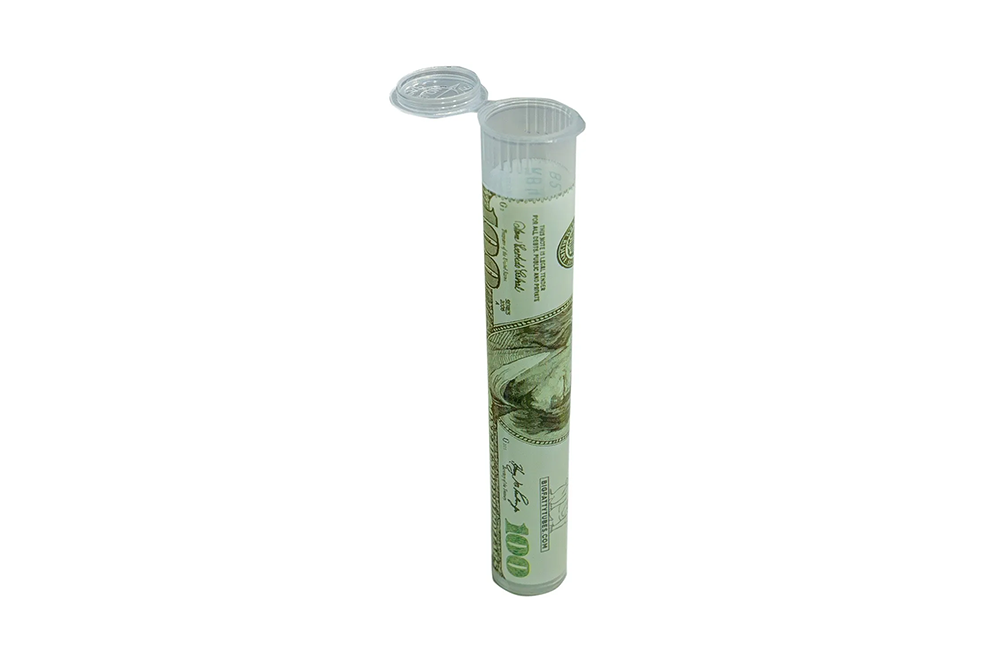
| Everyday singles, delivery-friendly protection, easy labeling | Child resistant pop-top lid; sizes listed (84mm–120mm); tube diameter .75" top / .625" bottom; length with lid closed 5.375". | $0.3–$0.8 / piece |
Luxury Pre Rolls Tubes
| Premium singles where presentation matters | Polypropylene; dimensions 0.73" x 4.60"; capacity: 1 filled pre-roll (king size cones); child-resistant style. | $0.05–$0.8 / piece |
Child Resistant Pre Roll Packaging Box
| Small packs, giftable formats, retail display | Two sizes: small for 1/4 pre-rolled joint; large for 1/2 pre-rolled joint; customizable; eco-friendly positioning. | $0.01–$1.3 / piece |
THC Pre Roll Mylar Bags
| Odor control, moisture/light barrier, multi-pack minis | Barrier protection against light/moisture/oxygen; resealable zipper; food-grade material claim on page. | $0.01–$0.5 / piece |
Pure Paper White Child Proof Pre Rolls Box with Match Zone
| Brand-forward “experience” packaging | Printing options listed: CMYK/PMS/No printing; paper stock listed: 10pt–28pt; turnaround time listed: 7–14 business days. | $0.01–$1.3 / piece |
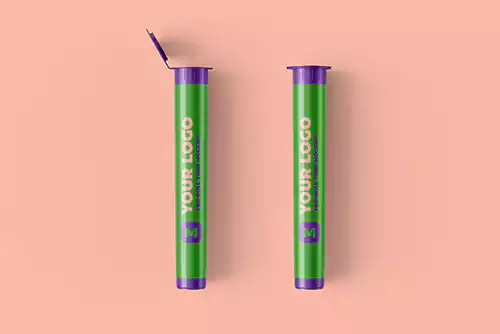
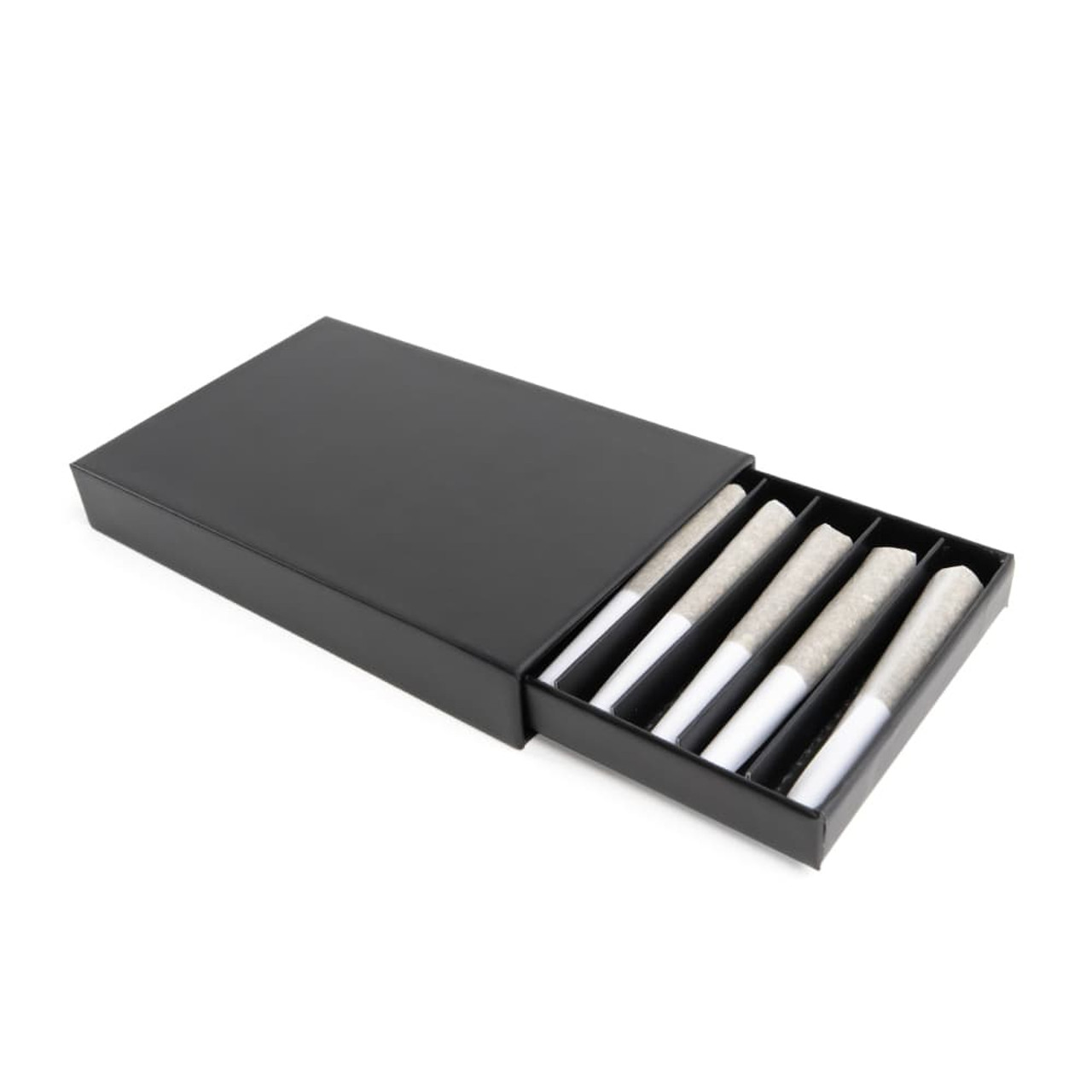
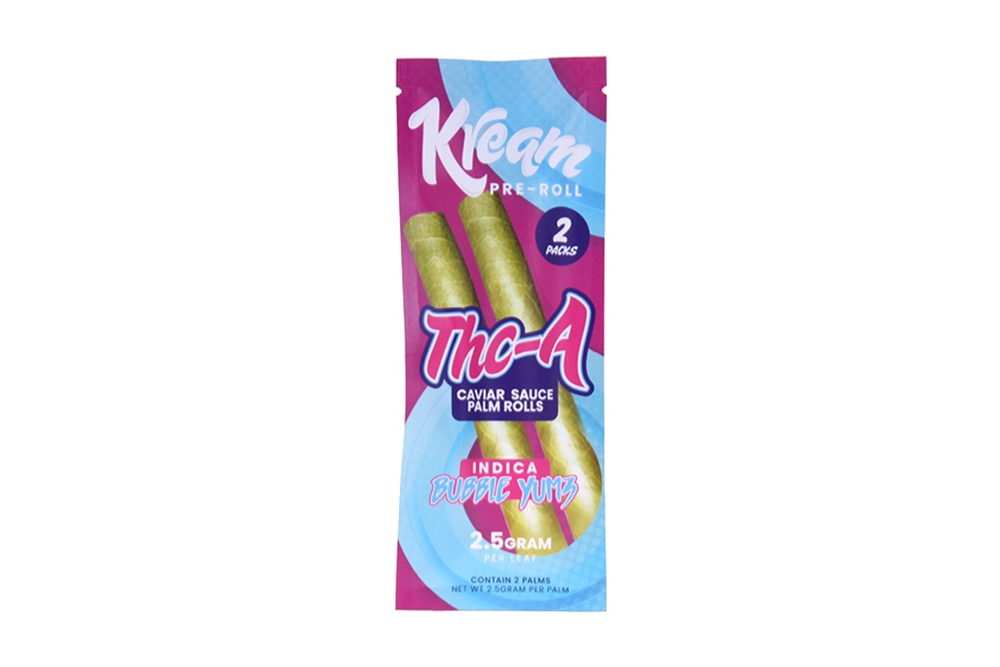
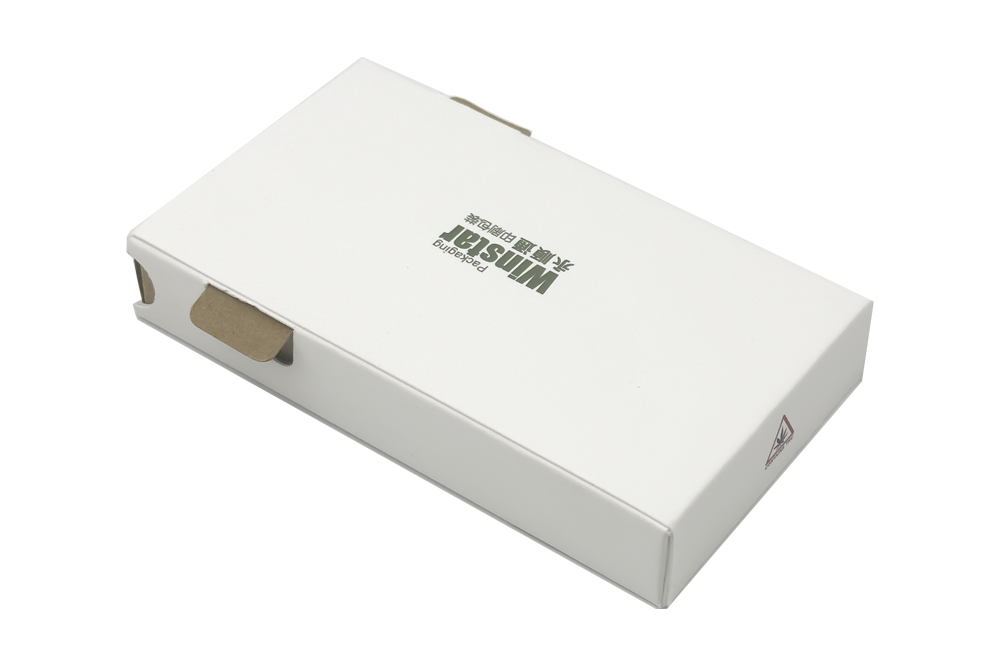
Practical tip: if you want clean pricing and smoother operations, pick one “everyday” packaging format (tube or mylar) and one “premium” format (luxury tube or rigid box). That keeps your cost-per-unit predictable—and your shelf presentation consistent.
FAQ
1) Is $20 for a single pre-roll normal?
It can be—especially for premium or infused products, or in higher-priced markets. But for a standard 1g non-infused pre-roll, $20 is usually a “top shelf + brand premium” price point. Compare it to other 1g standard options in the same store.
2) What’s a fair price for a 1g standard pre-roll?
In many markets, $6–$15 is the practical middle. Industry reporting has put the tracked-market average around $6.50 (mid-2024), but state-by-state averages can run much higher.
3) Are infused pre-rolls always worth the extra money?
Not always. You’re paying for added concentrate and the stronger effects that can come with it, but quality varies a lot. If you’re price-sensitive, try a smaller infused size or a mini-pack first.
4) How do I compare a five-pack to singles?
Divide the total grams in the pack into the price. Example: 2.5g five-pack for $30 → $12/gram. Compare that to 1g singles in the same category (standard vs infused).
5) Why do two “1g” pre-rolls burn so differently?
Grind consistency, moisture level, flower quality, and how tightly it’s packed matter. A great pre-roll usually has even airflow and doesn’t canoe immediately.
6) Is cheaper always lower quality?
No. Value brands can be excellent, especially in mature markets with heavy competition. But extremely cheap pre-rolls can sometimes use lower-aroma inputs or be older stock—check dates when available.
7) Does packaging really change the product experience?
It can. Odor-barrier and moisture control help preserve aroma and burn quality. It also affects convenience and compliance expectations (child-resistant formats are common).
8) What’s the “best deal” format right now?
Multi-packs often win on price-per-joint, and they’ve grown significantly as a share of the category in recent years. If you like sampling strains, mini-packs can be a smart buy.
9) Why are prices higher in some states even when quality looks similar?
Taxes, licensing costs, limited competition, and supply chain differences can push shelf prices up. That’s why looking at state-level benchmarks helps.
10) If I’m a brand, should I price to match the market average?
Not blindly. Use market averages as a sanity check, then price based on your tier, consistency, and cost structure. If your pre-roll is truly premium, underpricing can hurt you as much as overpricing.
11) Should I price based on THC percentage?
THC affects demand, but it’s not the whole story. Freshness, terpenes, strain preference, and consistency often matter more to repeat buyers than one number on a label.
12) What’s one mistake that makes a pre-roll feel “overpriced” instantly?
Dry, harsh smoke. Even a beautiful tube can’t save a stale experience. If you’re selling pre-rolls, protecting freshness (and rotating inventory) is the fastest way to keep buyers coming back.
Want to align price with presentation? If your pre-roll is positioned as premium, pairing it with a stronger barrier or a more “giftable” format can help customers understand the tier—without you having to over-explain it on the shelf. For packaging formats and price ranges, you can browse the pre-roll-related catalog here: