
Updated: April 12, 2026
The best answer is not “recycle everything.” For most empty pre-roll containers, the smarter order is much simpler: reuse the good ones, recycle the ones your local program actually accepts, and throw away the damaged or mixed-material pieces that will only contaminate the bin.
That matters because pre-roll packaging rarely comes as one single material. A single purchase may include a plastic pop-top tube, paperboard box, insert, label, shrink band, tamper seal, or even glass. They do not all belong in the same place.
This guide walks through exactly what to keep, what to recycle, what to trash, and what to buy next time if you want less packaging waste without giving up shelf protection or child-resistant performance.
Contents
Quick answer: what should you do first?
Empty the container completely. Wipe out loose residue. Then separate the package into its real parts: tube, lid, label, insert, box, and any film or tamper seal. After that, make the call based on material and condition.
| Container type | Best next step | What to check first | Why | Source |
|---|---|---|---|---|
| Plastic pop-top tube | Reuse first, then recycle locally if accepted | Cleanliness, local plastics rules, intact lid | EPA says reduction and reuse come before recycling, and local acceptance still matters | EPA Reuse Basics · How2Recycle |
| Paperboard pre-roll box | Recycle if clean and dry | Oil stains, plastic windows, inner trays | Paper boxes recycle more easily when they are clean and not mixed with plastic parts | EPA Recycling Basics |
| Glass tube | Reuse or recycle locally | Breakage, local glass rules, cap separation | Glass is often recyclable, but local programs vary on caps and broken pieces | How2Recycle |
| Shrink band, wrap, or film sleeve | Do not assume curbside recycling | Whether it is film plastic and whether store drop-off applies | Plastic bags, wraps, and films usually are not accepted in most curbside programs | How2Recycle Store Drop-off |
| Child-resistant pack | Reuse only for non-sensitive storage unless it still closes securely | Whether the package was single-use or lifetime child-resistant | Some cannabis packaging is no longer child-resistant after opening | California DCC |
Bottom line: if a pre-roll container is sturdy, clean, and still closes well, keep it in rotation. If it is dirty, cracked, sticky, or made from several materials you cannot separate, it is usually a poor recycling candidate.
How to sort pre-roll containers by type
A lot of people toss all cannabis packaging into one mental bucket, but that is where most disposal mistakes start. The easiest way to handle empty pre-roll packaging is to sort by what you are actually holding.
1) Plastic tubes
These are the most common single-pre-roll containers. They are lightweight, easy to store, and often the easiest format to reuse around the house.
Usually best for repeat reuse
Recycling depends on local acceptance
Worth keeping if the lid still snaps shut tightly
2) Paperboard boxes
These work well for brands trying to move away from all-plastic presentation. They are also easier for customers to flatten and sort once the product is gone.
Good candidate for recycling when clean
Remove inserts, labels, or windows if needed
Best when built from simple, mono-material paperboard
3) Child-resistant multi-pack cartons
These protect product better and help with compliance, but they can become harder to recycle when they add magnets, plastic windows, extra trays, or mixed-material locks.
Separate cardboard from inserts whenever possible
Reuse for dry accessories, not safety-critical storage
Avoid assuming the original child-resistant rating still applies after heavy use
4) Films, shrink bands, and tamper seals
These small extras are where otherwise recyclable packaging often goes off track.
Do not drop them into curbside bins by default
Check whether they qualify for store drop-off or must be trashed
Remove them before recycling the main package
Practical ways to reuse pre-roll containers
Reuse is the most useful answer for the average person because it is immediate, free, and usually more realistic than hoping every local recycling program wants small-format cannabis packaging. EPA puts reduction and reuse ahead of recycling for a reason: using a container again gets more life out of the materials already made.
| Reuse idea | Best container format | Why it works | Good fit? | Source |
|---|---|---|---|---|
| Matches, paper clips, safety pins, screws | Plastic pop-top tube | Small, portable, easy to label, hard to spill in a drawer or bag | Excellent | EPA Reuse Basics |
| Seed storage for garden or hobby use | Plastic or glass tube | Helps keep small quantities dry and organized | Very good | Example reuse ideas |
| Travel kit for earbuds, rings, hair ties, or cash | Plastic tube or tin | Keeps tiny essentials from disappearing in a backpack or glove box | Very good | EPA Reuse Basics |
| Drawer organizer for filters, tips, and rolling papers | Paperboard multi-pack box or tin | Best way to keep smoking accessories together without buying another organizer | Good | EPA Reuse Basics |
| Medication or anything children could access | Only with caution | Some cannabis packages are no longer child-resistant after opening | Usually avoid | California DCC |
The smartest home rule: reuse pre-roll containers for dry, low-risk, easy-to-label items. Do not trust an old container with broken hinges, a loose cap, or a worn child-resistant mechanism for anything safety-sensitive.
How to recycle them the right way
Recycling only works when the package matches your local system. The mistake is not throwing too little away. The mistake is putting the wrong material into the bin and contaminating the load.
Empty it fully. Do not leave flower dust, ash, or sticky residue inside.
Separate the parts. Lid, seal, paper box, insert, label, film wrap, and any foam or plastic tray should be handled as separate pieces.
Check the material. Plastic tubes, glass tubes, and paperboard boxes do not belong in the same stream.
Check local rules. How2Recycle and your municipal program matter more than guesses.
Keep flexible films out of curbside unless specifically accepted. Plastic bags, wraps, and films are not accepted in most curbside or drop-off programs, though some qualify for store drop-off.
| Material | Usually the best move | Remove first | Watch out for | Source |
|---|---|---|---|---|
| PP or other rigid plastic tube | Reuse first; recycle only if your local program accepts that format | Labels, wrap bands, leftover product | Very small items can be rejected in some systems | How2Recycle |
| Paperboard or cardboard pre-roll box | Flatten and recycle if clean and dry | Plastic window, liner, film seal, magnet insert | Oil-stained or damp paperboard is a weaker recycling candidate | EPA Recycling Basics |
| Glass tube | Reuse or recycle locally | Cap if local rules require separation | Broken glass is often handled differently from container glass | How2Recycle |
| Film wrap or shrink band | Do not put in curbside by default | None | Most curbside programs do not accept films | How2Recycle Store Drop-off |
| Child-resistant single-use package | Do not assume it is still a safety package after opening | Follow the material path once separated | Some packs are explicitly not child-resistant after opening | California DCC |
A simple rule that keeps you out of trouble: rigid pieces and clean paperboard may have a second life. Loose film, sticky residue, and mixed-material add-ons are the pieces most likely to belong somewhere else.
When it is better to throw them away
Not every empty pre-roll container deserves a heroic second chance. Sometimes trash is the cleaner choice.
The tube or lid is cracked and will not close securely.
The inside is sticky, smelly, or stained enough that you would not want it touching anything else.
The box is heavily contaminated with oil, product residue, or moisture.
The package uses mixed materials you cannot realistically separate.
The child-resistant mechanism is worn out and you were thinking of reusing it for something that should stay away from children or pets.
This is also why better packaging choices at the purchase stage matter so much. The fewer unnecessary layers a package has, the easier the end-of-life decision becomes.
Better packaging choices if you are buying for a cannabis brand
If you sell pre-rolls, the best waste-reduction move usually happens before the package reaches your customer. In plain English: choose packaging that is easier to understand, easier to empty, easier to separate, and easier to reuse.
Choose formats customers already know how to handle
Simple tubes and clean paperboard cartons create less disposal confusion than complicated mixed-material boxes.
Use fewer layers where possible
Every extra insert, window, wrap, and decorative add-on makes the package harder to sort correctly after use.
Make disposal obvious
One short line on the pack telling the buyer to separate the film, flatten the box, or reuse the tube can do more than a vague sustainability claim.
Do not trade away compliance
For cannabis packaging, customer convenience is not the only job. Child-resistant performance and retail-readiness still matter, especially for pre-rolls and multipacks.
If you are actively sourcing packaging, 420 Packaging’s existing categories make it easy to compare simpler tube formats with more structured paperboard options: Pre-Roll Tubes, Pre-Roll Packaging, and Child Resistant Packaging.
Recommended 420 Packaging options
These picks make sense for this topic because they give you three cleaner decision paths: a reusable plastic tube format, a more spec-defined PP tube option, and a paperboard box option that is easier for customers to flatten and sort after use.
Pre Roll Tubes with Labels
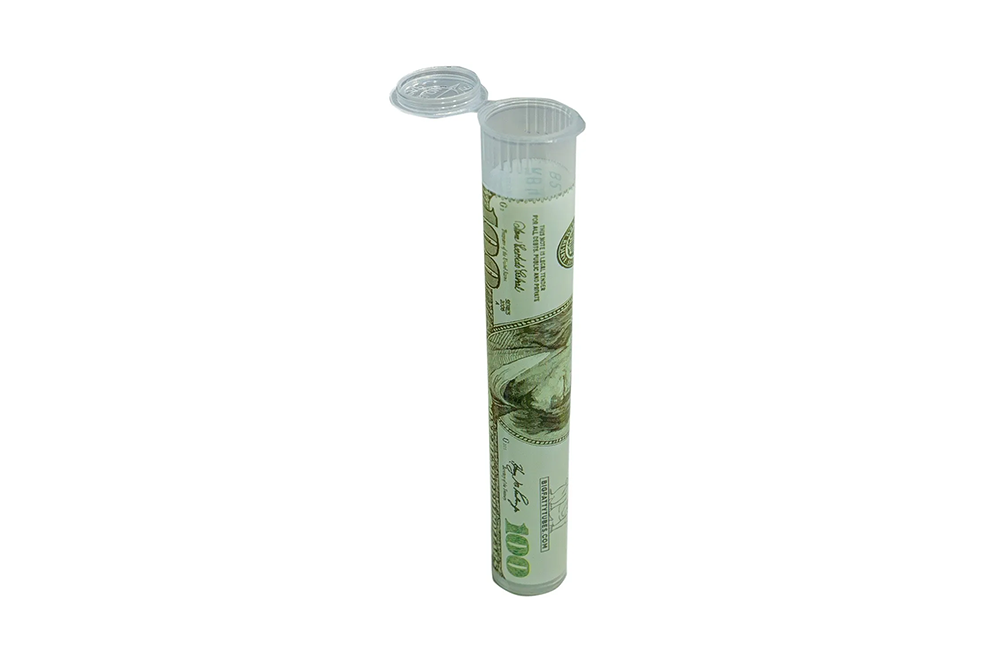
A practical choice if you want a tube customers are likely to keep using instead of tossing immediately. The official page highlights a child-resistant squeeze pop-top lid, an air-tight waterproof seal, recyclable plastic, and a wide range of sizes and colors.
| Price range | $0.30–$0.80 per piece |
| Available sizes | 84mm, 90mm, 98mm, 109mm, 116mm, 120mm |
| Material | Plastic |
| Key feature | Child Resistant Pop Top Lid |
| Product dimensions | .75 in top width, .625 in bottom width, 5.375 in length closed, 4.6 in open |
| Best fit | Brands that want a sturdy single-pre-roll format customers can reuse |
Plastic Pre Roll Tubes Wholesale
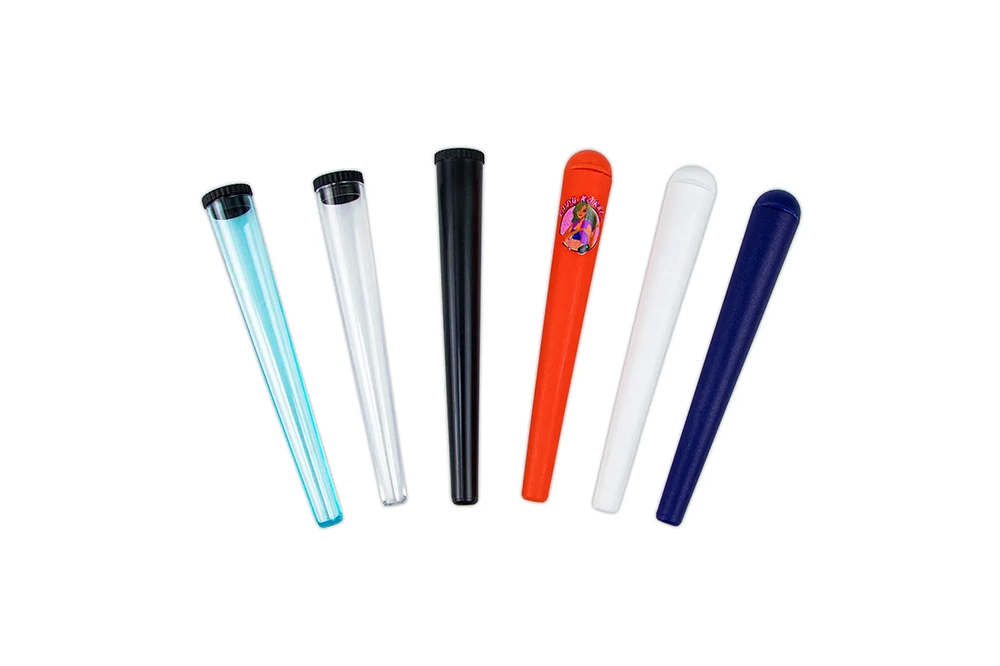
This option is more spec-forward. The official page lists polypropylene construction, portability, custom logo support, and a 120mm, 6g format. If you want a rigid plastic tube with a clearer materials story, this is the cleaner starting point.
| Price range | $0.01–$0.80 per piece |
| Plastic type | PP |
| Listed size | 120mm |
| Listed weight | 6g |
| Feature | Portable |
| Logo option | Accept Custom Logo |
| Best fit | Businesses that want a reusable rigid tube with clear customization potential |
Wholesale 1g Preroll Size Packaging Box
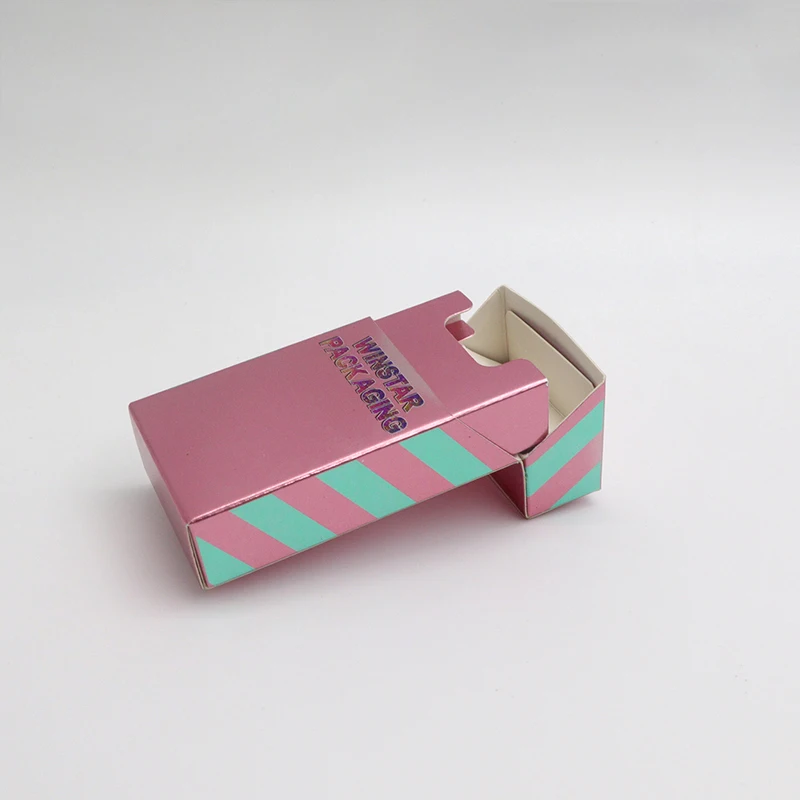
If you want a customer-friendly path after use, paperboard is easier to explain than a pile of layered plastics. This official product page calls out eco-friendly paperboard or cardboard construction, standard 1g fit, odor resistance, and compliance-ready customization.
| Price range | $0.01–$1.20 per piece |
| Material | High-quality Paperboard / Cardboard |
| Capacity | Fits standard 1 gram preroll |
| Box type | Foldable / Rigid Paper Box |
| MOQ | 1000 pieces |
| Features | Eco-friendly, lightweight, durable, odor-resistant, compliance-ready |
| Lead time | 10–15 business days depending on customization and order volume |
| Best fit | Brands that want a more recyclable-looking end-of-life story without giving up shelf presentation |
| Product | Why it fits this topic | Best for | Official link |
|---|---|---|---|
| Pre Roll Tubes with Labels | Strong reuse case, multiple sizes, recyclable plastic claim, child-resistant pop-top format | Single-pre-roll retail formats | View product |
| Plastic Pre Roll Tubes Wholesale | PP material listing gives buyers a clearer material starting point | Brands that want a rigid plastic tube with customization | View product |
| Wholesale 1g Preroll Size Packaging Box | Paperboard option is easier for customers to flatten, separate, and understand | 1g pre-roll brands, dispensaries, multipack projects | View product |
FAQ
Can you put pre-roll tubes in curbside recycling?
Sometimes, but not automatically. Rigid plastic tubes may be accepted locally, but you should check your city or county rules first. Small-format packaging is one of the easiest places to make a recycling mistake.
Are paper pre-roll boxes easier to recycle than plastic tubes?
Usually yes, especially when they are clean, dry, and not built with plastic windows, magnetic closures, or extra inserts. The cleaner and simpler the paperboard box, the easier the end-of-life decision tends to be.
Can I reuse an old child-resistant pre-roll container?
You can reuse it for ordinary dry storage, but do not assume it still provides the same safety performance forever. Some cannabis packages are only child-resistant until first opening.
What should I do with shrink bands and plastic wraps from pre-roll packaging?
Keep them out of curbside bins unless you have confirmed they qualify for a specific film-plastic route. Plastic bags, wraps, and films are not accepted in most curbside programs.
What is the best low-waste pre-roll packaging strategy for a cannabis brand?
Use as few layers as possible, choose materials customers already understand, make separation easy, and add clear disposal instructions right on the pack. Packaging that is simple to sort usually gets handled more correctly after purchase.
Final takeaway
If you are standing over a pile of empty pre-roll containers, do not overthink it. Keep the sturdy ones. Reuse them for dry, low-risk storage. Recycle only the materials your local system actually accepts. Throw away the contaminated, cracked, or mixed-material leftovers.
And if you are the one choosing packaging for a product line, start with formats that make those decisions easier for your customer. That is where better packaging really begins.