
Last updated: August 16, 2026

Quick Answer
A useful cannabis tincture packaging leak test evaluates the filled bottle, closure, dropper, label, tamper evidence, and secondary carton as one system. Start with components from the intended production lot, apply caps within the bottle-and-closure supplier’s documented process window, then inspect upright, side, and inverted samples over defined intervals. Record fill mass, application and removal measurements when applicable, wetness at the neck, label lifting, carton staining, and dropper-dose repeatability. Test after realistic temperature and shipping exposure, not only at room temperature. This in-house screen helps catch compatibility and assembly problems, but it does not replace required child-resistant testing, state review, stability work, or transportation validation.
A dropper bottle can look secure at the filling line and still arrive with an oily label, stained carton, loose cap, or inconsistent dose. Those failures rarely come from one component alone. Bottle finish variation, closure fit, bulb material, liner choice, fill residue, capping technique, temperature, and shipping orientation all interact. The practical goal is therefore not to ask whether a bottle is “leakproof.” It is to define what your exact filled package must survive, test that configuration, and keep evidence that the released batch stayed inside its approved operating window.
Contents
What a Tincture Leak Test Should Catch
A pass/fail check should cover more than visible drops. Slow seepage can soften paperboard, reduce label adhesion, change removal effort, contaminate the dispensing surface, and make lot or warning information hard to read. A complete review separates four failure modes:
- Containment failure: liquid travels past the bottle finish, closure, liner, or dropper assembly.
- Closure-process failure: the cap is applied inconsistently, cross-threaded, under-applied, over-applied, or contaminated by fill splash.
- Use failure: the supplied dropper or measuring device does not consistently support the labeled directions when used as instructed.
- Pack-out failure: the label, tamper-evident feature, insert, or carton is damaged even when the primary package loses only a small amount of liquid.
Regulatory requirements vary by jurisdiction. For example, current New York Office of Cannabis Management guidance says retail packages must be fully enclosed, sealed, tamper-evident, and child-resistant, with resealability for multiple servings. California DCC guidance similarly explains that final-form cannabis goods must be packaged before transfer to a distributor. South Dakota’s current tincture and oil rule specifically addresses a vial or dosage syringe, a child-resistant package configuration, and an appropriate measuring device. These sources illustrate why a package must be reviewed against the rules for the exact market; they do not create one national design specification.
Build a Representative Test Set
A polished prototype is not enough. Build the test set from the same bottle finish, closure, dropper, liner, label stock, adhesive, tamper-evident component, carton, insert, fill product, fill volume, and capping process planned for production. If any one of those changes, treat the change as a reason to assess whether revalidation is needed.
Use a small matrix, not one “golden sample”
| Variable | Include in the test | Why it matters | Record |
|---|---|---|---|
| Component lots | Production-intent bottle and closure lots | Finish and molding variation can affect sealing | Supplier, lot, drawing revision |
| Fill condition | Target fill and approved high/low limits | Headspace and contact with the closure change exposure | Net mass or volume |
| Application process | Normal line settings plus approved boundaries | Hand-tight samples may not represent the line | Capping setting and measured result |
| Orientation | Upright, side, and inverted | Shipping rarely keeps every unit upright | Position and exposure time |
| Environmental exposure | Approved temperature and distribution scenarios | Materials expand, contract, and soften differently | Actual time and temperature |
| Pack-out | Final label, tamper evidence, insert, and carton | A minor seep can become a customer-visible failure | Stain, lift, abrasion, movement |
Do not invent a universal cap torque. Bottle finish, closure design, liner or plug, product viscosity, capping equipment, and supplier instructions all matter. Obtain the documented application window and test method for the exact paired components. If your organization tracks removal torque, define when it is measured because values can change after application and conditioning.
Run the Cannabis Tincture Packaging Leak Test
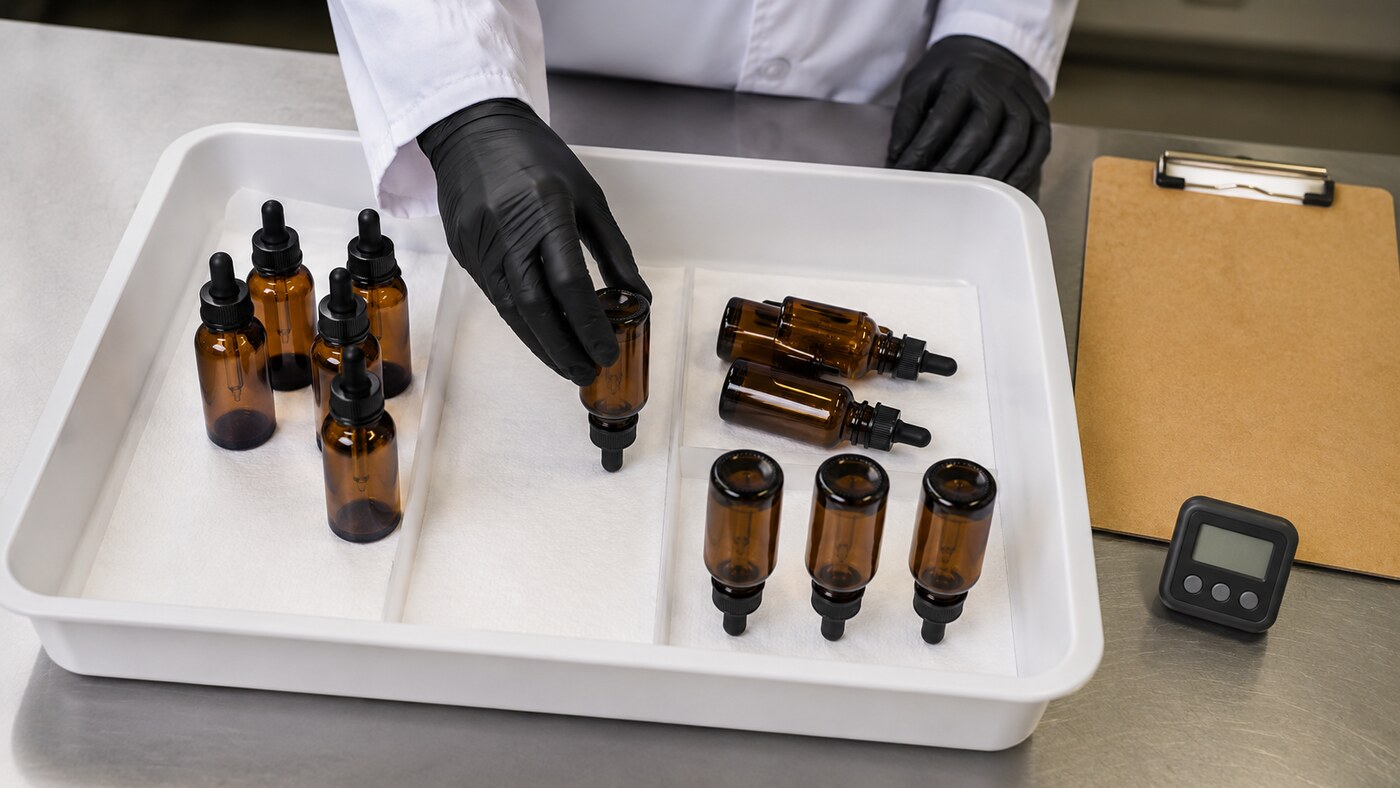
The following protocol is a practical development and incoming- or finished-goods screen. Set sample sizes, limits, conditioning, and disposition rules through your own quality system and applicable regulations.
- Identify every component. Record supplier, part number, lot, revision, and certificate or test report reference.
- Inspect before filling. Reject chipped glass, damaged threads, distorted liners, torn bulbs, debris, or visibly mismatched parts before they confuse the root-cause review.
- Fill and clean the finish. Use the actual formulation and production-intent fill range. Keep the sealing land free of product unless a controlled contamination challenge is intentionally part of development.
- Apply the closure consistently. Use the intended equipment and the paired-component supplier’s process guidance. Mark obvious cross-threading or rework rather than silently correcting it.
- Capture a baseline. Record filled-unit mass, cap position, tamper-evident condition, label edges, carton condition, and any defined application or removal measurement.
- Condition by orientation. Place closed samples upright, on their side, and inverted on clean absorbent pads for the defined interval. Add approved temperature cycles and a qualified distribution simulation when relevant.
- Inspect without wiping first. Look for a wet neck, cap-channel residue, pad marks, weight loss, label lift, bulb swelling, carton staining, or insert softening.
- Check dispensing separately. After containment review, verify that the supplied measuring device can be used as labeled and that repeated draws stay within your validated acceptance limits.
- Quarantine failures. Preserve the unit, orientation, component lots, and observations. Do not mix failed samples back into the pass population.
Practical control: Photograph each sample before exposure and before cleanup. A clean “before” image prevents a later debate about whether a label edge, cap scuff, or carton mark was already present.
Diagnose Failures Without Guessing
Leak evidence tells you where to investigate, not automatically which component is defective. Compare failed units with untouched controls from the same lots and change one variable at a time.
| Observed evidence | First checks | Do not assume |
|---|---|---|
| Wetness at one side of the neck | Cross-threading, finish damage, uneven liner contact, cap tilt | That more tightening will fix it |
| Residue inside closure channels | Fill splash, contaminated sealing land, dropper fit | That the label adhesive caused the leak |
| Label lifts with no visible drip | Slow seep, surface energy, adhesive compatibility, application cure | That a stronger paper alone solves it |
| Carton stain near the cap | Bottle orientation, head clearance, insert contact, primary seal | That coating makes primary leakage acceptable |
| Bulb softens or swells | Formulation-contact compatibility and exposure time | That passing a short room-temperature test proves shelf-life compatibility |
| Wide dose variation | Dropper geometry, markings, viscosity, draw technique, instructions | That drop count is a universal volume measure |
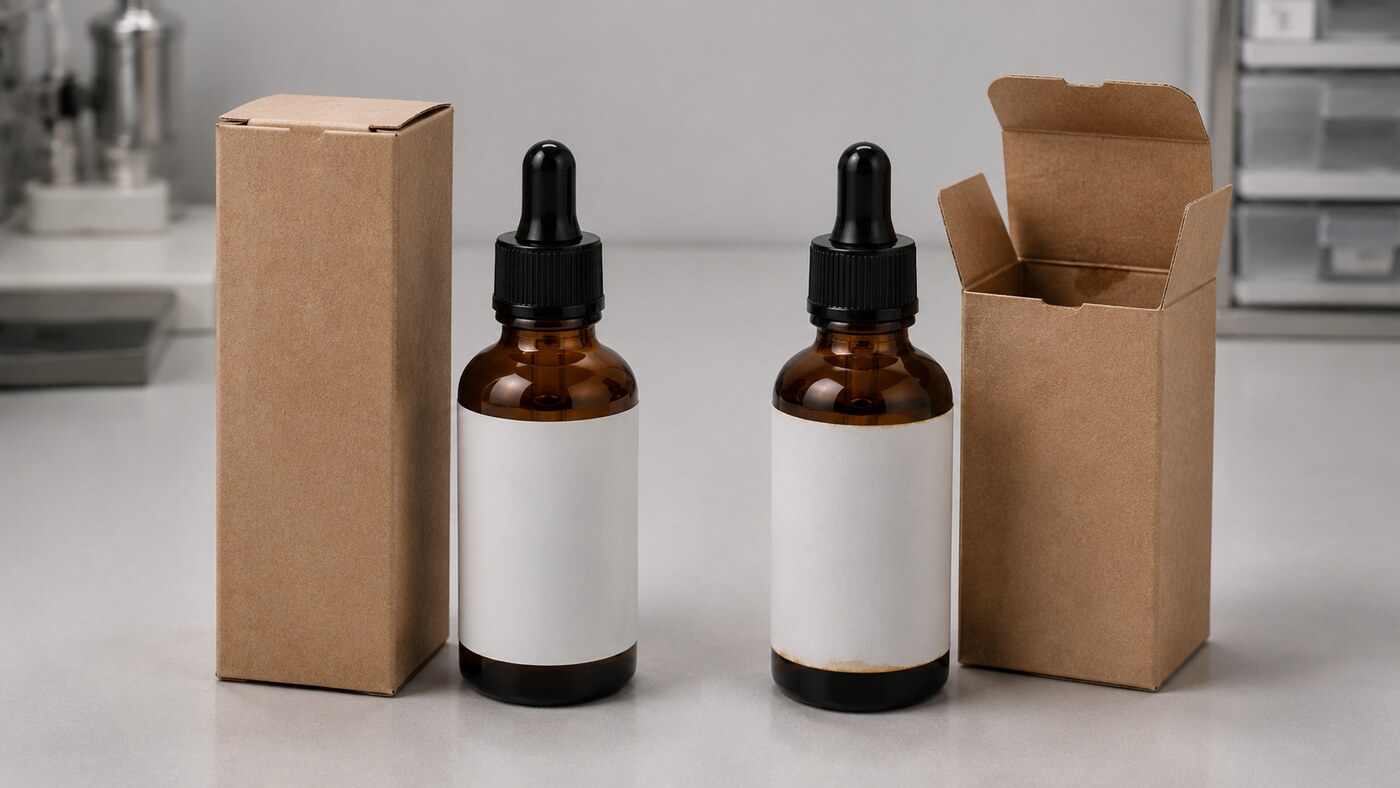
A secondary carton can protect presentation and provide printable area, but it should not be treated as the liquid barrier. Resolve containment at the primary bottle-and-closure system first; then evaluate how the carton and insert handle movement, abrasion, and any residual risk.
Recommended Tincture Packaging Options
The following are current 420 Packaging paper-box options that can support a validated tincture pack-out. The product pages describe secondary packaging boxes; they do not include tincture, and a paper box does not certify the filled bottle system or make it compliant by itself.
Custom 30ml Tincture Bottle Boxes
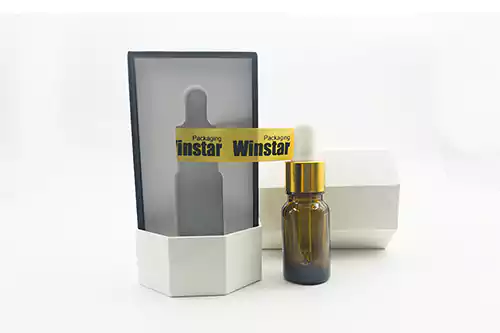
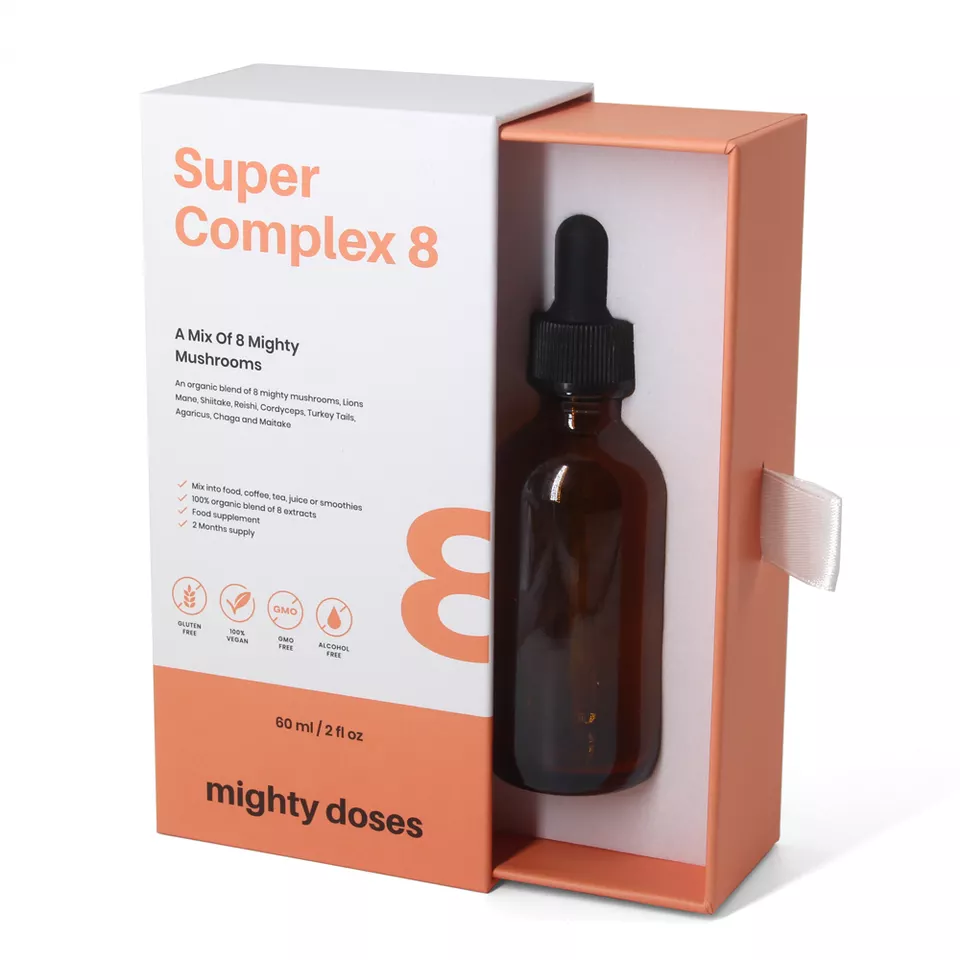
This side-opening drawer box is tailored for a 30 mL tincture bottle and uses an EVA or foam insert. It is a practical candidate when your pack-out study shows that a fitted insert is needed to limit glass movement. Before ordering, send the supplier your final capped-bottle dimensions and confirm clearance at the bulb, cap, shoulder, and base.
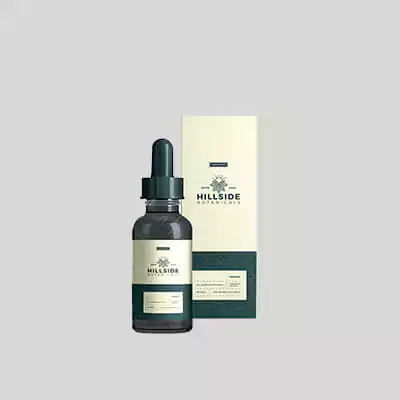
Tincture Dropper Bottles / Jars Packaging Boxes Wholesale
This made-to-order line lists custom sizes and shapes, multiple paper stocks, CMYK or PMS printing, coatings, finishing options, electronic proofs, and hardcopy proofing on request. It fits programs that need a carton built around an already-selected primary container. Ask for a production-material sample and test it with the filled bottle rather than approving from a flat artwork proof alone.
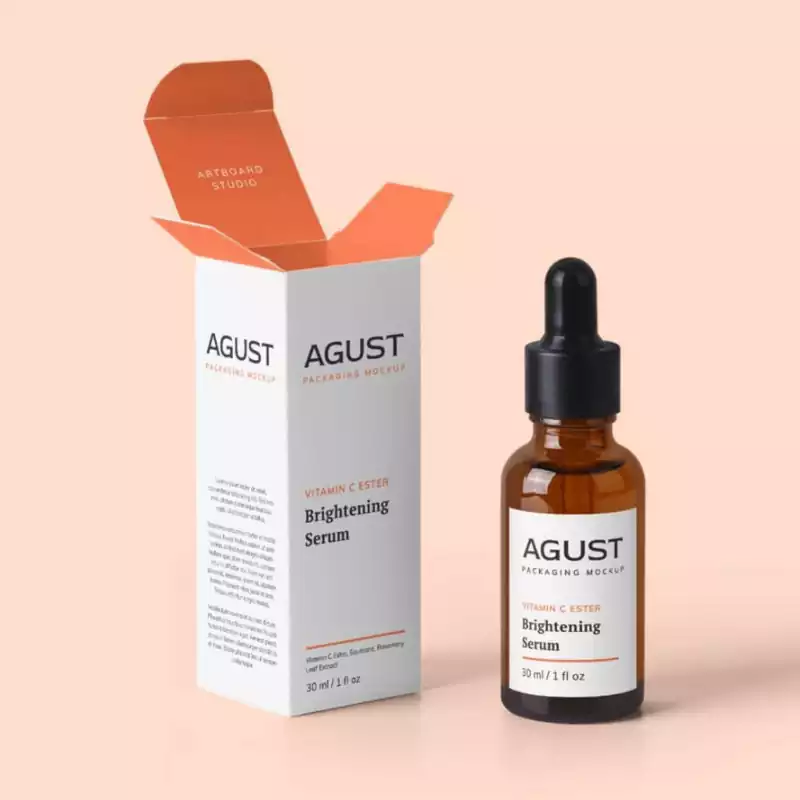
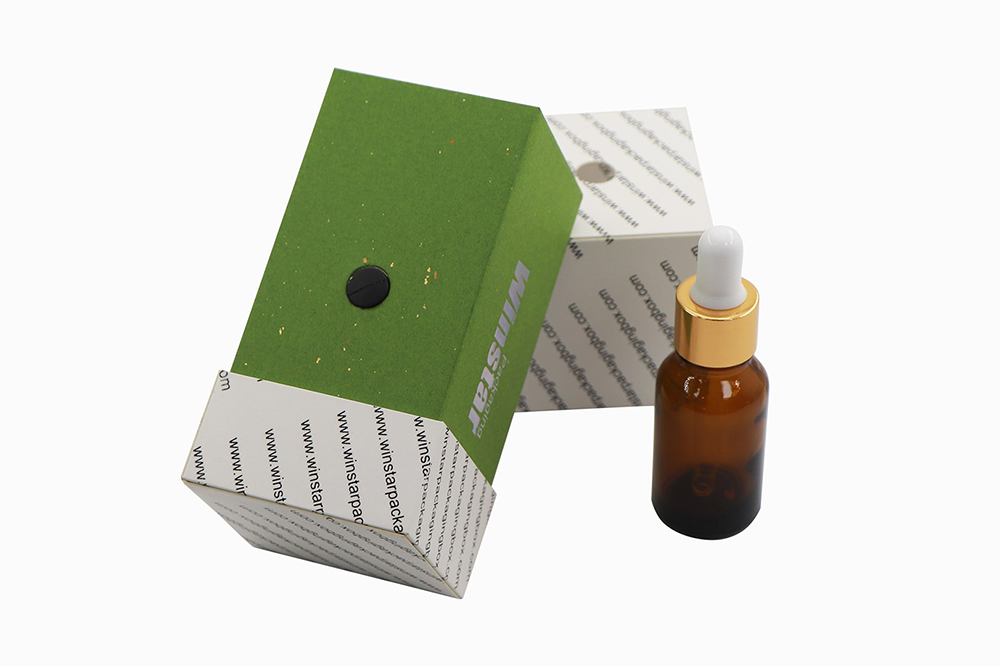
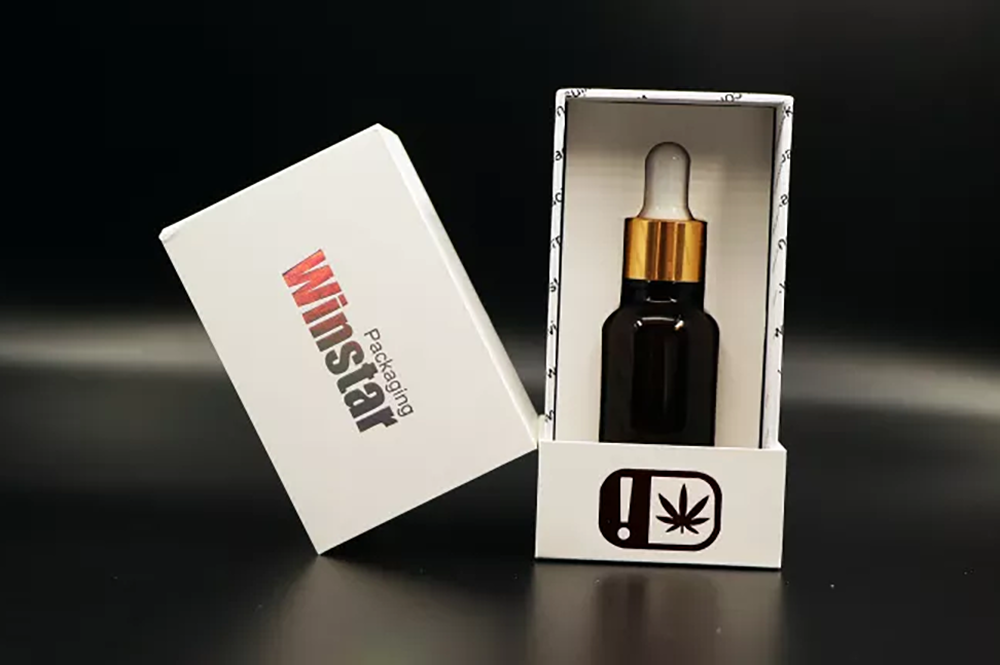
Dropper Bottle Paper Box Packaging With Logo
This coated-paper carton lists digital printing plus foil, embossing, and spot-UV options. It can provide branding and an additional printable surface around a dropper bottle. Verify that finishes, glue areas, and any window or internal support remain acceptable after the filled-package conditioning plan; decorative features should not hide a primary-container leak.
For a broader format comparison, review the current Tincture Packaging collection. For handling context, the existing tincture storage and dispensing guide discusses common bottle-use questions. Confirm all final specifications against the live product page and your supplier quotation.
Production Release Checklist
Convert development learning into a short release record that production can actually use. A practical batch checklist should include:
- Approved bottle, closure, dropper, liner or plug, label, tamper evidence, carton, and insert part numbers and revisions.
- Component lot traceability and incoming-inspection results.
- Target fill with approved limits, plus a clean bottle finish before closure application.
- Documented capping method and verified process setting or measurement window.
- Visual checks for cap height, tilt, thread engagement, closure damage, and tamper-evident integrity.
- Defined upright, side, and inverted sample plan with acceptance limits and observation times.
- Label-edge, variable-data, carton, and insert inspection after conditioning.
- Measuring-device and dispensing check against the approved instructions for use.
- Failure escalation, quarantine, investigation, and release authority.
Keep retained samples from released lots under controlled conditions. If complaints cluster by component lot, fill line, shipper, season, or route, the retained units and original inspection photos can shorten the investigation.
Questions to Ask Packaging Suppliers
Send the complete system description—not just “30 mL amber bottle”—and ask questions that produce documents or measurable answers:
- Which exact bottle finishes, closures, liners or plugs, and droppers are qualified to work together?
- What application method, process window, and measurement procedure does the component supplier recommend?
- What dimensional drawings, tolerances, material declarations, lot records, and change-notification terms are available?
- Has the supplier evaluated compatibility with the formulation family, or must the brand perform all filled-product compatibility work?
- What child-resistant test report applies to the exact package configuration, and what component changes would invalidate that evidence?
- Can production-material samples be supplied for filled-package, label, shipping, and stability trials?
- For the carton or insert, what final capped-bottle dimensions and orientation are required to create the dieline?
- How are mixed lots, substitutions, regrind, coating changes, adhesive changes, or tooling revisions controlled and communicated?
Supplier documentation is input to your evaluation, not a substitute for it. The licensee or brand should have qualified compliance, quality, and legal professionals review the final package for every destination market.
Frequently Asked Questions
How do you test a cannabis tincture bottle for leaks?
Fill production-intent bottles with the actual formulation, apply the exact closure and dropper using the intended process, record a baseline, then inspect upright, side, and inverted samples after defined conditioning. Look for mass loss, wetness, neck residue, label lift, carton staining, and closure changes.
How long should a tincture leak test run?
There is no universal duration. Use short checks to catch assembly errors, longer conditioning for slow seepage, and qualified stability and distribution studies for shelf-life and shipping claims. Document each interval and its acceptance criteria before testing.
Should tincture bottles be tested upside down?
Inverted exposure can reveal sealing weaknesses quickly, but it should be one part of an orientation matrix. Upright and side positions matter because real distribution and storage expose different interfaces for different lengths of time.
What cap torque should a tincture bottle use?
Use the documented method and process window for the exact bottle-and-closure combination. A number copied from another package may be inappropriate because finish geometry, liner design, materials, equipment, and conditioning differ.
Can a paper carton prevent a tincture bottle from leaking?
No. A carton can add printable area, organize the pack-out, and help protect the bottle from movement or abrasion, but containment must come from the validated primary bottle-and-closure system.
Why does a tincture label peel even when no drip is visible?
Possible causes include slow seepage, oil transferred during filling, unsuitable adhesive, poor surface preparation, insufficient application pressure or cure time, and environmental exposure. Preserve the failed unit and evaluate these variables separately.
Does a child-resistant cap guarantee the finished package complies?
No. Applicability depends on the exact tested configuration, product, market, labeling, tamper evidence, and other requirements. Component substitutions and pack-out changes may require review or additional evidence.
Should the dropper be included in package testing?
Yes. The dropper is part of the closure and dispensing system. Evaluate its fit, bulb and tube compatibility, seal interface, markings where used, and ability to support the approved dosing directions.
When should a tincture package be retested?
Assess retesting whenever the formulation, bottle, finish, closure, liner, dropper, label, carton, insert, supplier, tooling, manufacturing process, fill range, or intended distribution conditions change.
What records should be kept after a leak test?
Keep the protocol, component identities and lots, sample preparation, fill data, application settings, conditioning history, observations, measurements, photographs, deviations, investigation, approval, and final disposition.
Need a secondary carton built around your validated tincture bottle?
Share the final capped-bottle dimensions, orientation, insert needs, artwork, quantity, and testing plan so the packaging team can scope an appropriate paper-box configuration.