
If you spend any time in grow forums or talking with experienced organic cultivators in the U.S., you hear the same phrase over and over: “Worm castings are black gold for cannabis.” They are one of the simplest, most beginner-friendly amendments you can add to your soil, yet they dramatically improve plant health, resilience, and flavor.
In this guide, we’ll break down what worm castings are, why they work so well for cannabis, how to use them at different growth stages, and how to protect your worm-casting-powered harvest with proper curing and compliant packaging.
Legal reminder (U.S.): Cannabis laws vary by state and locality. Always follow your local regulations regarding cultivation, possession, packaging, and sale of cannabis products. This article is for educational purposes only.
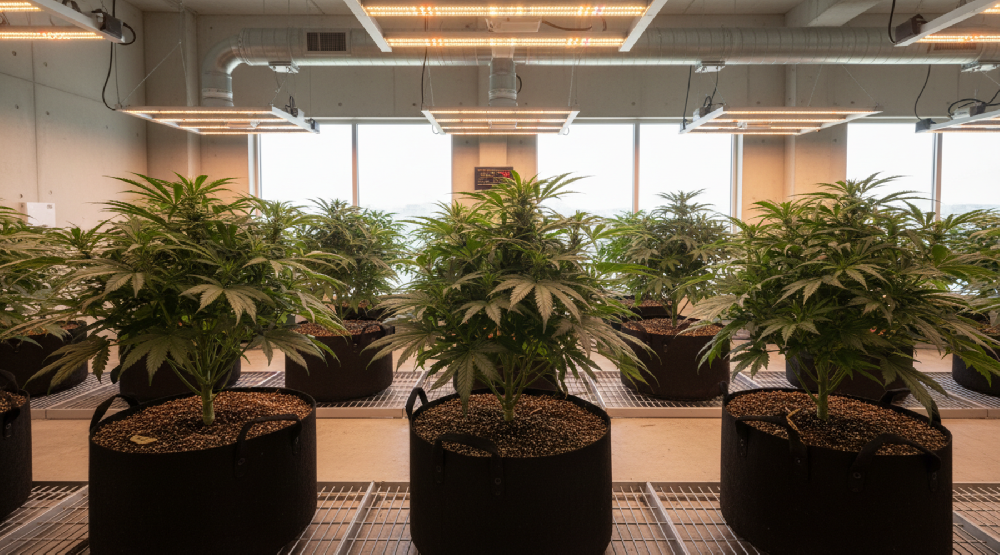
What Are Worm Castings?
Worm castings (also called vermicast or vermicompost) are the digested organic matter produced by earthworms. As worms eat materials like compost, kitchen scraps, and plant residues, their digestive system breaks everything down into a fine, dark, crumbly material packed with plant-available nutrients and beneficial microbes.
High-quality worm castings typically:
-
Contain a gentle, balanced supply of nitrogen, phosphorus, and potassium.
-
Provide essential micronutrients such as calcium, magnesium, and iron.
-
Are loaded with beneficial bacteria, fungi, and enzymes that help unlock nutrients in the root zone.
-
Have a pleasant, earthy smell (never sour or rotten) and a texture similar to dark coffee grounds.
Because the nutrients in castings are released slowly and steadily, they are very forgiving. They are far less likely to burn your cannabis plants than strong synthetic fertilizers, which makes them ideal for new and experienced growers alike.
Why Worm Castings Boost Cannabis Growth
1. Organic, Slow-Release Nutrition
Cannabis plants need a steady supply of nutrients through veg and flower. Worm castings act like a natural slow-release fertilizer: they feed your plants gradually over time instead of dumping a huge dose of nutrients all at once.
This helps:
-
Support steady vegetative growth without excessive stretching or leaf burn.
-
Maintain healthy green foliage deeper into flowering.
-
Reduce the risk of nutrient lockout from heavy salt buildup.
2. Better Soil Structure and Root Development
Worm castings dramatically improve soil structure. Mixed into a potting mix or raised bed, they help the soil hold moisture like a sponge while still allowing air to move freely around the roots. That combination of water retention and aeration is ideal for cannabis, which dislikes waterlogged roots but needs consistent moisture to yield well.
Strong, well-aerated root systems usually translate into:
-
Faster vegetative growth.
-
Better nutrient uptake.
-
Greater resistance to stress from heat, drought, or minor pH swings.
3. A Living Soil Food Web
Worm castings are not just “plant food” – they are also “microbe food.” They introduce and support colonies of beneficial bacteria and fungi that:
-
Break down organic matter into forms your plants can actually use.
-
Produce plant-growth-promoting substances and enzymes.
-
Compete with or suppress harmful pathogens in the root zone.
In living soil or no-till setups, worm castings help build a resilient ecosystem around your roots so your plants are less dependent on bottled fertilizers and more capable of feeding themselves from the soil.
4. Improved Moisture Management and pH Buffering
Cannabis likes consistent moisture, but “wet feet” can lead to root rot and fungus gnats. Worm castings help soils stay evenly moist without becoming swampy. They also tend to be near neutral in pH and can buffer minor pH instability from your water or other amendments.
5. Potential for Higher Yields and Better Quality
Growers often report thicker stems, fuller canopies, and improved aroma when castings are part of their soil program. Some greenhouse trials using vermicompost-based liquid fertilizers have observed increased biomass and higher cannabinoid yields compared to plants fed strictly with conventional chemical nutrients.
Of course, genetics, light intensity, environment, and grower skill all still matter. Worm castings are not magic, but they are a powerful tool for unlocking your strain’s full potential.
How to Use Worm Castings in Your Cannabis Grow
There is no single “correct” way to use worm castings. The right approach depends on your growing style, container size, and base medium. The table below offers general guidelines many organic growers find effective. Always adjust based on how your plants respond.
| Application Method | When to Use | Typical Rate | Notes |
|---|---|---|---|
| Mixing into base soil | Before planting or transplanting | About 10–20% of total volume (e.g., 1–2 parts castings to 8–9 parts soil) | Great for seedlings through harvest. Combine with compost and aeration (perlite, pumice, rice hulls) for a balanced living soil. |
| Top-dressing in veg | Every 3–4 weeks during vegetative growth | Roughly 0.5–1 cup per gallon of container size, spread in a thin layer | Lightly scratch into the top inch of soil and water in. You can also cover with mulch to protect microbes from light. |
| Top-dressing in early flower | At flip and once more in early bloom | Similar to veg, but avoid heavy applications late in flower | Supports bud set and early flower development without harsh spikes of nutrients. Monitor leaf color and back off if plants stay very dark green. |
| Worm casting “tea” (aerated) | As needed in veg and early flower | About 1–2 cups of castings per 5 gallons of non-chlorinated water | Bubble with an air stone for 12–24 hours, then drench soil within a day. Keep everything clean and avoid spraying teas directly on mature buds. |
| Seedlings and clones | From the first transplant | Often 5–15% of the starter mix | Gentle enough for young plants when used moderately. Avoid very heavy, dense mixes for small containers. |
Tip: With worm castings, it is usually better to start modest and increase slowly than to overdo it all at once. Watch your plants more than the label on the bag.
Using Worm Castings in Different Grow Setups
1. Indoor Soil and “Super Soil” Mixes
For traditional indoor soil grows, worm castings are almost a no-brainer. Many U.S. home growers:
-
Mix 10–20% worm castings into their base soil (peat or coco based) plus aeration.
-
Add in organic amendments (kelp meal, fish bone meal, etc.) for a complete “super soil.”
-
Rely mostly on water and light top-dressings instead of bottled nutrients.
In a no-till bed, castings also work wonderfully as a recurring top-dress under a mulch layer.
2. Outdoor Raised Beds and Containers
Outdoor cannabis plants can grow huge root systems and really reward you for building good soil. Mixing castings into raised beds or large fabric pots helps:
-
Support vigorous root growth in hot, dry climates.
-
Hold moisture between irrigations.
-
Maintain a healthier soil food web season after season.
Many outdoor growers top-dress a ring of castings around the drip line of each plant once a month during the growing season, then water in deeply.
3. Coco and Soilless Blends
If you grow in coco/perlite and normally feed with mineral nutrients, you can still use a modest amount of worm castings to add biology and a small nutritional buffer.
-
Limit castings to around 10–15% of the mix to avoid slowing drainage.
-
Use them mainly as a top-dress in fabric pots rather than heavily loading the base mix.
-
Keep an eye on moisture, because castings will help the medium stay wetter longer.
4. Hydroponics
Worm castings are not a good fit for pure hydro systems (like deep water culture) because the solids can clog lines, pumps, and emitters. If you want to bring vermicompost biology into a hydro-style grow, some advanced growers:
-
Brew a very well-filtered worm casting tea.
-
Use it as an occasional root drench in a drain-to-waste setup.
This requires careful hygiene and good filtration. For most new hydro growers, keeping the system clean and simple is a better priority than trying to add castings.
Common Mistakes and Quick FAQs
Common Mistakes to Avoid
-
Using castings as your only nutrient source in high-demand grows. They are powerful, but not always sufficient alone for very hungry strains or large plants in small pots.
-
Buying poor-quality or heavily diluted castings. Look for dark, crumbly, pure castings with minimal fillers. Avoid products that are mostly compost with only a little vermicast added.
-
Creating a heavy, muddy mix. Too many castings in an already dense soil can reduce aeration. Pair them with plenty of perlite, pumice, or other aeration amendments.
-
Overwatering. Castings help soil hold water. That is great for plant health, but it also means you might need to water less often.
Quick FAQs
Q: Can I use worm castings during flowering?
Yes. In fact, a light top-dress at the start of flower and again a couple of weeks later can support healthy bud development. Just avoid very heavy nitrogen-rich amendments late in bloom, and always watch how your plants respond.
Q: Will worm castings change the flavor or smell of my buds?
Indirectly, yes. Strong, healthy plants grown in biologically active soils tend to express richer terpene profiles. Worm castings help build that kind of soil, but genetics, drying, curing, and storage still play a huge role in the final aroma.
Q: Are worm castings safe for organic cannabis?
Worm castings are widely used in organic gardening and can be part of an organic cannabis program. Always check the product label and, if necessary, certifications to confirm they meet the standards you are aiming for.
Q: How often should I reapply worm castings?
Many growers reapply a light top-dress every 4–6 weeks in veg and early flower. Outdoors in big beds, one or two heavier applications during the season may be enough. It depends on plant size, strain, and how rich your base soil is.
From Soil to Storage: Protecting Your Worm-Casting-Powered Harvest
Growing outstanding cannabis with worm castings is only half the story. Once you harvest, dry, and cure your buds, you need to protect them from light, oxygen, excess moisture, and curious hands. Poor storage can undo a lot of the quality you worked so hard to create in the garden.
Why Airtight, Light-Resistant Packaging Matters
In legal U.S. markets, you also have to think about safety and compliance. Many states require child-resistant (CR) packaging, tamper-evident seals, and specific labeling for THC products. Good packaging should:
-
Help preserve cannabinoids and terpenes by limiting light, air, and moisture.
-
Control odor so your products remain discreet and professional.
-
Meet child-resistant and other regulatory requirements where applicable.
-
Present your brand cleanly on dispensary shelves or to private clients.
Using 420 Packaging Products to Protect Your Harvest
If you are looking for wholesale cannabis packaging solutions built for real-world cannabis producers, 420 Packaging focuses on pre-roll boxes, child-resistant containers, weed bags, and other cannabis-specific packaging options designed to balance product protection, compliance, and branding.
Example 1: THC Pre Roll Mylar Bags
For growers who turn part of their harvest into pre-rolls, the THC Pre Roll Mylar Bags offer a convenient, compliant-ready packaging option. These bags are made from durable, food-grade Mylar with a MOPP+VMPET+PE structure designed to provide an effective barrier against light, moisture, and oxygen, helping pre-rolls stay fresh and aromatic.
They include a zipper-top resealable closure that makes it easy for adult customers to open and reclose the bag, while still keeping odor contained and the product protected between sessions. Custom sizes and printing let you add strain names, potency information, and branding so your packaging matches the quality of your cultivation.
Example 2: Custom Die Cut Mylar Bags for Irregular Products
If you package uniquely shaped products, branded edibles, or specialty flower packs, the Custom Die Cut Mylar Bags for Irregularly Shaped 420 Packaging are designed specifically for irregular shapes. They use high-barrier Mylar materials to protect contents from light, air, and moisture, and are available with resealable closures for easy reuse.
These bags are engineered for the cannabis industry, with options for child-resistant functionality and fully customized size, artwork, and thickness. That makes them a flexible choice for premium small-batch products grown in organic, worm-casting-rich soil.
Example 3: Child-Proof Glass Jar Packaging Boxes
Many cultivators and brands prefer glass jars for cured flower because glass is inert and showcases bud quality. To make jarred flower retail-ready and child-resistant, 420 Packaging offers Child Proof Glass Jar Packaging Boxes .
These boxes are made from sturdy, food-grade cardboard (such as 1100 gsm cardboard with printed art paper) and can be customized to fit common jar sizes (for example, 5/7/9 ml round or square jars). A side-mounted child-resistant button and custom foam inserts help protect jars during shipping while supporting compliant, professional-looking retail displays.
Keep it balanced: You do not have to overhaul your entire packaging setup at once. Many growers start by upgrading packaging for a single product line (like pre-rolls) and then gradually standardize as they scale.
Final Thoughts
Worm castings are one of the most effective, low-risk tools you can add to a cannabis grow. They feed your plants gently, build a healthier root zone, improve soil structure, and support the microbial life that makes true “living soil” possible.
When you combine strong genetics, good lighting, and smart environmental control with a soil mix enriched by worm castings, you give yourself a real chance at dense, terpene-rich harvests. Finish the job by drying, curing, and packaging your buds carefully — whether you use jars, pre-rolls, or custom bags — and you will preserve more of the quality you grew from the start.
Start small, observe how your plants respond, and refine your approach each run. Over a few cycles, you will see why so many organic growers consider worm castings an essential part of top-shelf cannabis.