
Last updated: August 17, 2026
Quick Answer
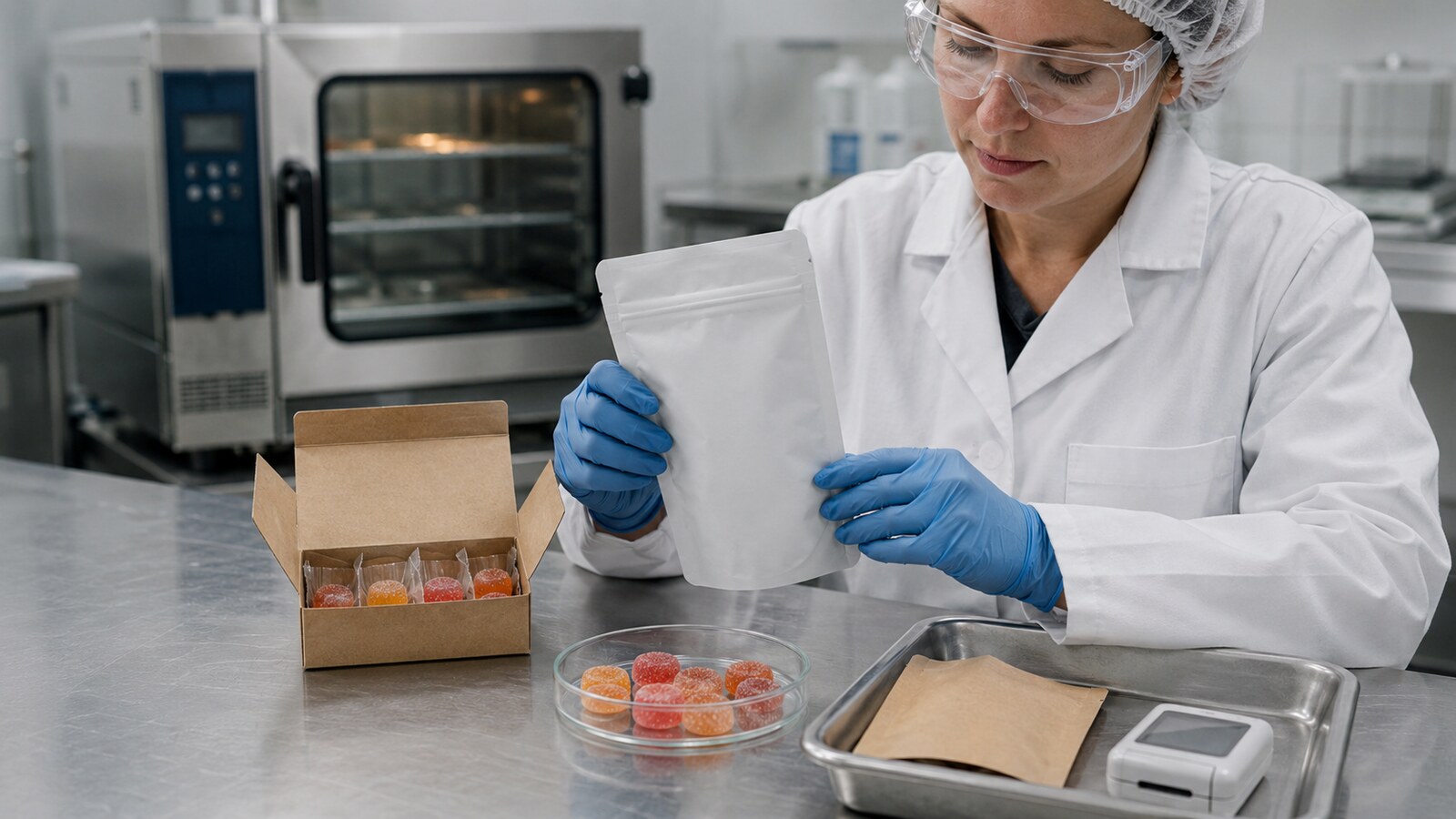
A cannabis gummy packaging heat test should expose the final filled package—not loose gummies alone—to controlled temperatures that represent storage and distribution risks. Test sealed units upright, flat, and on edge; log actual package temperature and time; then score sticking, deformation, oil or sugar transfer, seal contamination, pouch blocking, label damage, carton staining, and whether individual servings remain distinguishable. Include an ambient control and a recovery check after samples return to normal conditions. Set product-specific acceptance limits before testing. This practical screen can reveal formulation, primary-package, insert, and secondary-carton interactions, but it does not replace shelf-life studies, food-contact review, child-resistant evidence, transportation validation, or state compliance review.
Warm weather turns a simple packaging decision into a system problem. A gummy may soften without escaping the primary pouch, yet still form a single mass, transfer oil to an inner wrapper, obscure serving separation, stain a carton, or make the resealable track difficult to close. A paper box can improve presentation and protect against handling, but it cannot cool the product or correct an unsuitable primary barrier. The useful question is not “Will gummies melt?” It is “Which failure is unacceptable for this formula, package, route, and market—and how will we detect it before release?”
Contents
Define Heat Failure Before Testing
“Melted” is too vague for a release decision. Translate it into observations that different inspectors can score consistently:
- Shape loss: flattening, edge rounding, or permanent deformation beyond the approved reference.
- Piece-to-piece adhesion: units touch lightly, separate with visible damage, or become one inseparable mass.
- Surface migration: oil, sugar, color, or coating transfers to the pouch, liner, witness card, label, or carton.
- Package-function change: the zipper blocks, seal area becomes contaminated, wrapper opens, insert distorts, or closure effort shifts.
- Information loss: required label content, lot code, serving information, or warnings smear, lift, or become unreadable.
- Serving ambiguity: individual units can no longer be identified or handled as described by the approved directions.
Rules depend on the destination. Current California DCC packaging guidance says manufactured cannabis products must be packaged to prevent contamination and notes additional child-resistant, tamper-evident, and resealable requirements. Current New York OCM Part 128 guidance covers child resistance, tamper evidence, sealing, resealability, and label integrity. These examples show why heat damage must be evaluated as more than appearance. Always verify the exact product and market; packaging alone does not guarantee compliance.
Build a Representative Test Matrix
Use finished-product samples from production-intent lots. Match the actual gummy formula, count, coatings, primary pouch or wrapper, headspace, zipper, seal, label, tamper evidence, insert, carton, and case pack. A different oil system, dusting sugar, piece count, or pouch layer can change the result.
| Test group | Purpose | What to record | Common mistake |
|---|---|---|---|
| Ambient control | Separates normal aging from heat-related change | Starting photos, mass, texture, package condition | Comparing heated samples only with memory |
| Approved warm condition | Checks a realistic distribution or storage scenario | Actual product/package temperature and time | Recording chamber setpoint as sample temperature |
| Boundary condition | Shows proximity to the approved limit | Same scorecard as the normal condition | Using an extreme test with no business relevance |
| Orientation set | Reveals gravity and contact-area effects | Upright, flat, on-edge, and case-pack position | Testing every pouch upright |
| Recovery group | Separates reversible softening from permanent damage | Immediate and post-recovery scores | Manipulating warm samples before photographing them |
Do not copy a competitor’s temperature as a universal specification. Formula composition, water activity, coating, geometry, piece contact, package barrier, fill density, route, dwell time, and case stacking all matter. Define the test from your validated product and distribution profile.
Run the Cannabis Gummy Packaging Heat Test
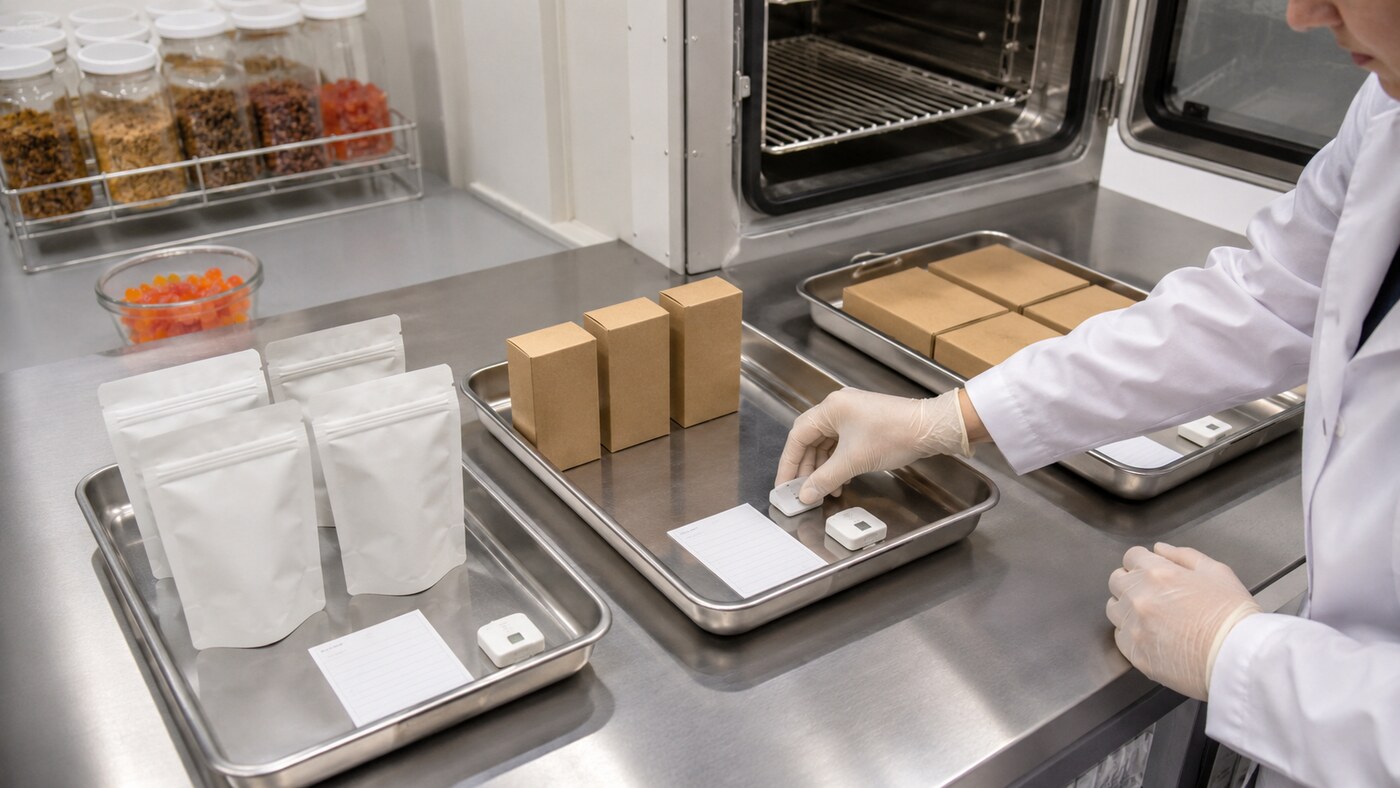
- Approve the protocol first. State sample quantity, lots, conditions, orientations, observation times, recovery period, acceptance limits, and decision authority.
- Document the baseline. Photograph each unopened unit and record package mass, piece separation, seal/zipper condition, label edges, lot code, tamper evidence, insert, and carton.
- Place clean witness media. When compatible with the pack-out, use a defined white card or liner where small oil or color transfer can be seen without changing pressure on the product.
- Instrument the load. Position calibrated temperature loggers among representative packages. Record actual exposure rather than assuming the air setpoint equals product temperature.
- Condition by orientation. Keep ambient controls separate. Test final packages upright, flat, on edge, and in the intended case arrangement when those positions are relevant.
- Inspect before handling. Photograph the warm package, seal area, contact surfaces, label, and carton before squeezing, shaking, opening, or attempting to separate pieces.
- Open consistently. Check tear features, tamper evidence, zipper access, seal contamination, headspace contact, and transfer to inner surfaces.
- Score product and package separately. A pouch may remain closed while serving distinction, label integrity, or carton appearance fails.
- Run the recovery check. Return designated samples to the approved ambient condition without reshaping them, then repeat the scoring after the defined recovery period.
- Quarantine failures. Preserve component lots, data logs, photographs, and exact orientation for root-cause work.
Practical control: Label the underside of each test tray, not the consumer-facing package. This keeps samples traceable without introducing marker ink, adhesive, or extra label stock that could affect the exposure.
Score Results and Diagnose the Cause
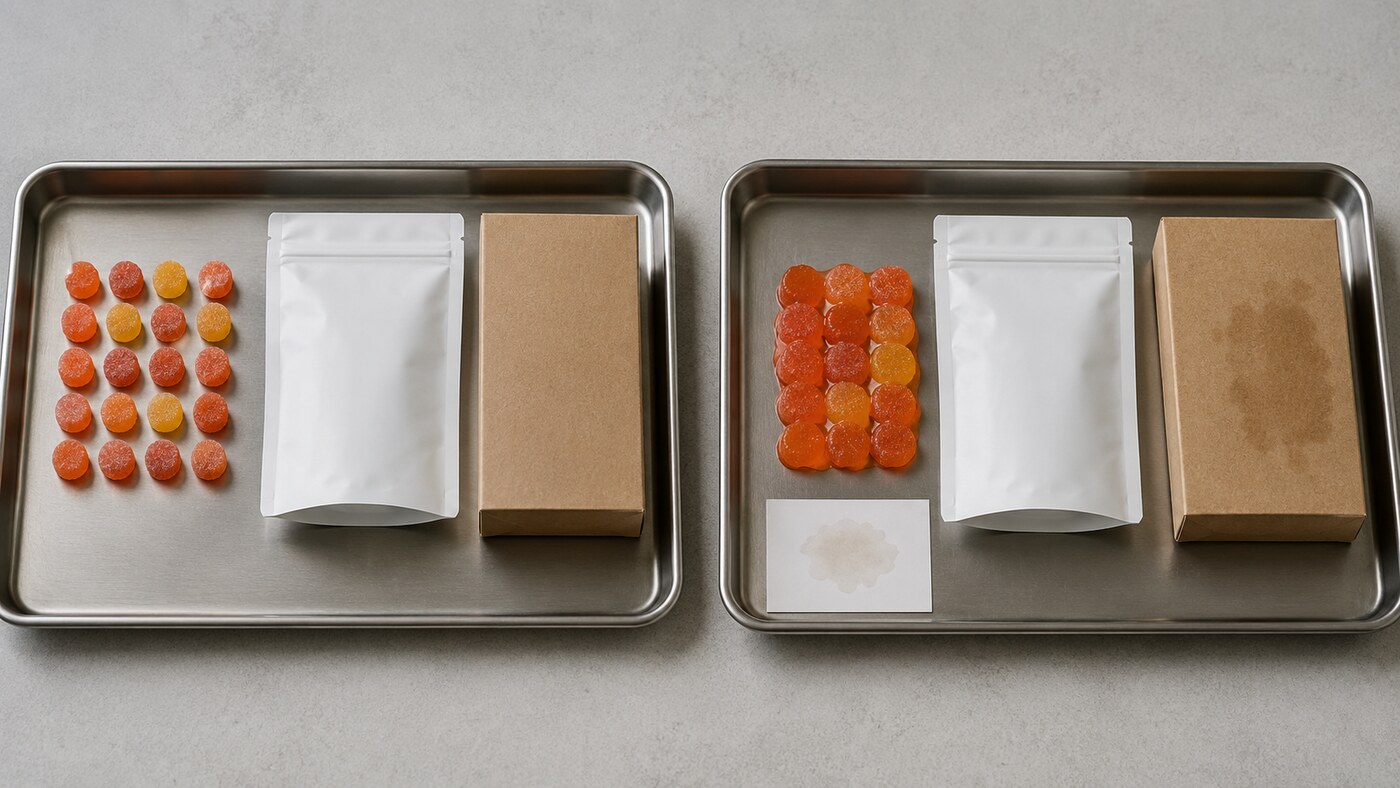
Use a defined ordinal scale rather than “looks okay.” For example, score adhesion from 0 (no contact) through 4 (one inseparable mass), then add separate pass/fail gates for required information, seal integrity, tamper evidence, and serving distinction. Keep cosmetic preferences separate from safety or functionality failures.
| Evidence | Investigate first | Do not assume |
|---|---|---|
| Pieces adhere but pouch is clean | Formula, coating, piece contact, fill density, dwell time | A thicker carton will prevent clumping |
| Oil mark inside pouch or wrapper | Surface migration, inner sealant compatibility, headspace contact | The package has leaked externally |
| Zipper becomes difficult to close | Product transfer, zipper alignment, headspace, pouch distortion | Extra closing force is acceptable |
| Carton stains while pouch stays sealed | Surface transfer, pouch exterior contamination, wrapper or coating | Paperboard caused the product change |
| Variable data becomes unreadable | Ink/ribbon/substrate match, abrasion, oil exposure, print location | Reprinting elsewhere solves the root cause |
| Damage appears only in one case position | Stack pressure, airflow, case orientation, hot spot, dwell time | All units experienced the same temperature |
Recommended Edible Packaging Options
These current 420 Packaging products can support a validated edible pack-out. Confirm the live specification, exact material construction, food-contact suitability, child-resistant evidence, and market requirements before use. No paper box or pouch by itself prevents gummies from softening in excessive heat.
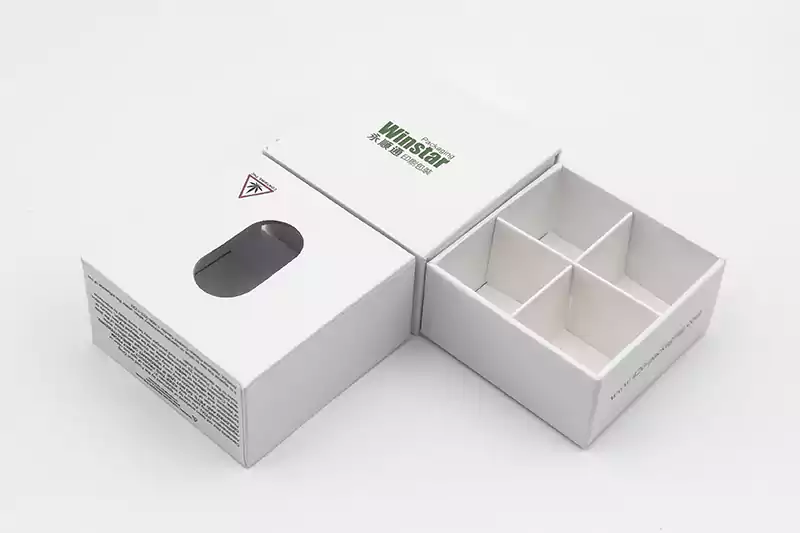
Child Proof CBD Chocolate Bar & Gummy Box 4 Pack
The current page describes a button-release paper box that can hold up to four treats, with custom sizes, printing, paper stocks, coatings, and physical sampling on request. Use a production-material sample around the final primary wrappers and test whether the release feature, insert clearances, and printed surfaces remain usable after the defined exposure.
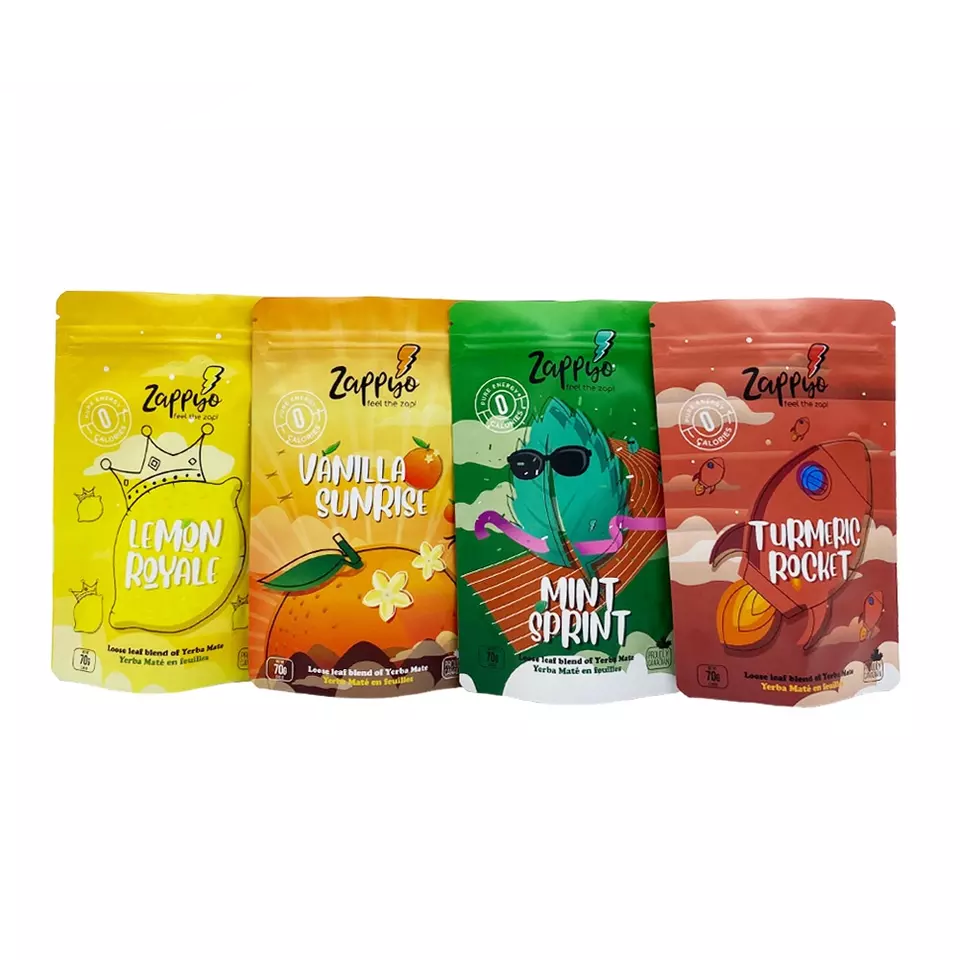
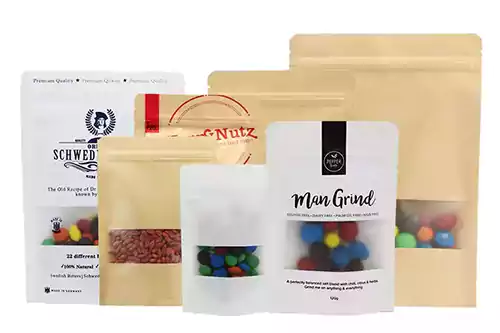
CBD Gummy Candy Packaging Stand Up Food Bag
This product page lists 7 g, 14 g, and 28 g formats, a stand-up structure, zipper attachment, custom sizing, multiple film-layer choices, 50–200 micron thickness, and several printing methods. Request the exact laminate and sealant specification rather than testing a visually similar stock pouch; barrier and heat response depend on the actual construction.
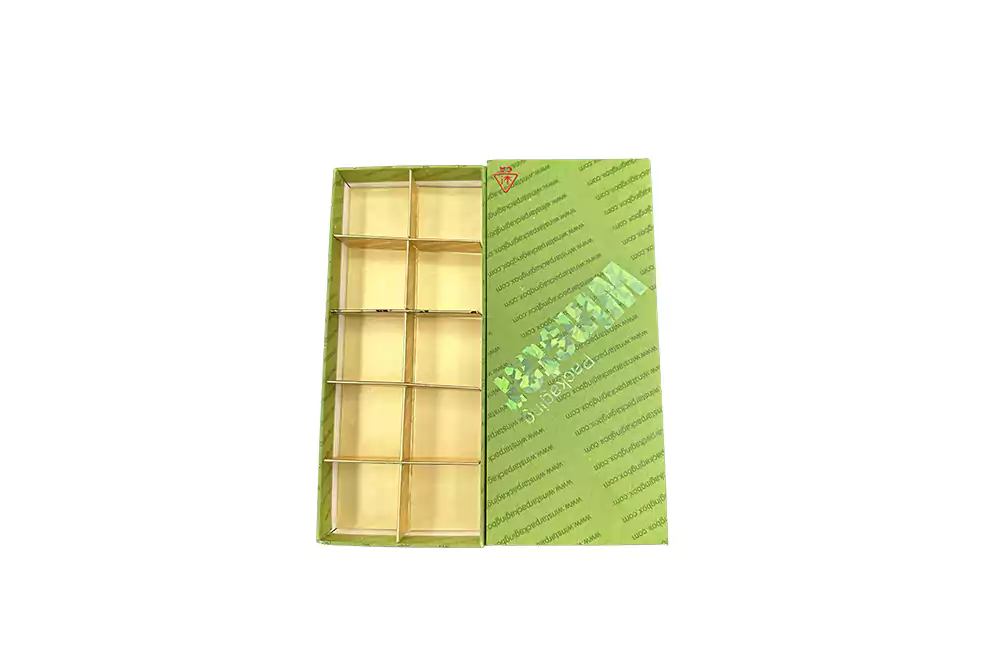
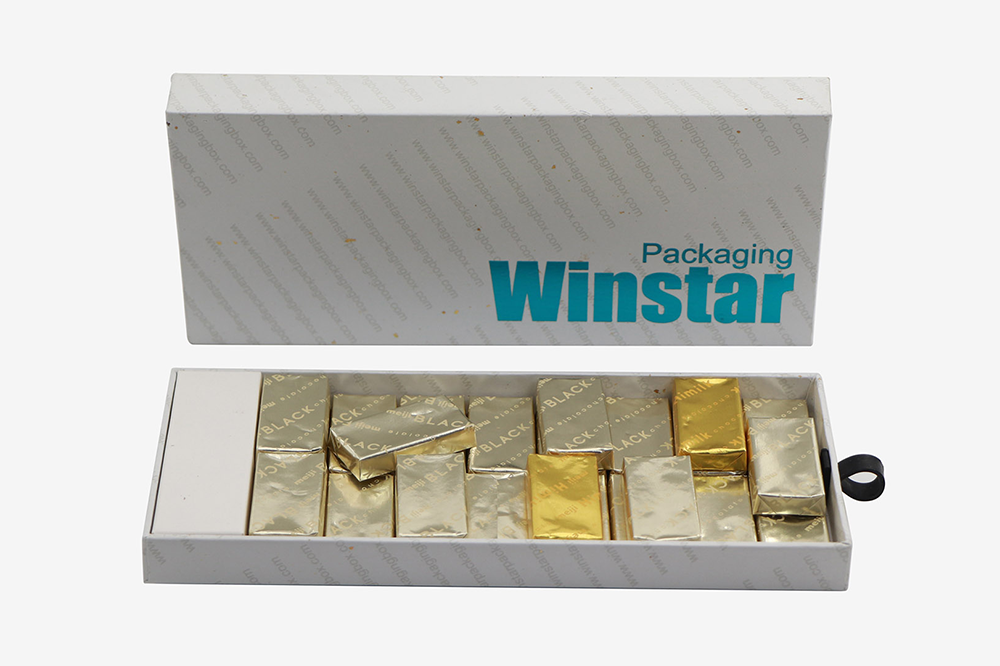
Wholesale Child Resistant Edible Packaging
The page describes a rigid paper sliding box with a back-lock button, coated paper and grayboard construction, plus customizable cardboard or PVC inserts and print finishes. Treat the exact box, insert, primary wrap, and product as one pack-out during heat and handling trials. Request applicable child-resistant documentation for the final configuration.
Browse the current Edible Packaging collection for additional formats. The existing marijuana edible packaging guide provides broader format and compliance context; this article’s test plan is intended for the separate heat-performance question.
Summer Release Checklist
- Approved formula, coating, piece geometry, count, and fill density match the tested configuration.
- Primary package, seal, zipper, label, tamper evidence, insert, carton, and case lots are traceable.
- Actual sample temperatures and exposure times are logged, including case hot spots.
- Ambient controls and all planned package orientations are present.
- Immediate and post-recovery photographs use the same lighting, angle, and sample identification.
- Product adhesion, deformation, surface migration, seal/zipper function, serving distinction, label readability, and carton condition meet written limits.
- Child-resistant and tamper-evident features remain intact and are reviewed against applicable requirements.
- Failures are quarantined and investigated before release; warming or reshaping a failed sample does not erase the deviation.
Questions for Packaging Suppliers
- What is the exact material structure, thickness, sealant layer, coating, adhesive, ink, and revision for the quoted package?
- Which sealing conditions and zipper-clearance rules apply to the intended pouch and fill?
- Can production-material samples be supplied for filled-product heat, stability, and distribution trials?
- What dimensional tolerances and headspace information are required to prevent product contact with seals or closures?
- Which documentation supports food-contact use and child-resistant performance for the exact final configuration?
- How are material substitutions, coating changes, tooling changes, and manufacturing-site changes communicated?
- For cartons and inserts, how will the final primary pack be supported without creating pressure points during warm transport?
- What lot traceability, inspection records, physical proofs, and retained samples are available?
Frequently Asked Questions
What temperature makes cannabis gummies melt?
There is no universal number. Gelatin or pectin system, sweeteners, oils, water activity, coating, shape, contact pressure, time, and packaging all affect softening. Establish limits with the actual formula and final package.
Should gummies be tested inside the final retail package?
Yes. Loose-product testing misses interaction with the pouch, wrapper, zipper, label, tamper evidence, insert, carton, headspace, and case pack.
Can a foil or barrier pouch stop gummies from melting?
A suitable pouch can manage moisture, oxygen, light, and contamination risks, but it does not actively cool the product. Heat performance still requires filled-package testing.
Why test packages flat and on edge?
Orientation changes product contact area, gravity load, proximity to the seal, and pressure against the carton or insert. Distribution rarely keeps every unit upright.
Is gummy clumping only a cosmetic problem?
Not always. Severe adhesion can affect handling, serving distinction, package function, and consumer instructions. Classify each failure through the product’s quality and compliance review.
Should warm samples be separated by hand before inspection?
No. Photograph and score them before manipulation. Pulling pieces apart can hide the original condition and create damage that is difficult to interpret.
Can a paper carton absorb leaked oil safely?
A carton may reveal a stain, but absorption is not a containment strategy. Investigate the formulation, primary package, wrapper, seal, and exterior contamination source.
Does heat testing prove shelf life?
No. A short heat screen can compare configurations and expose risks, but shelf-life claims require an approved stability program with appropriate analytical and package testing.
When should gummy packaging be retested?
Evaluate retesting after changes to formula, coating, piece size, count, primary package, zipper, seal, label, carton, insert, case pack, supplier, tooling, route, or storage claim.
What records belong in the test report?
Keep the protocol, lots, sample preparation, baseline data, logger files, orientation, exposure history, photographs, scores, recovery results, deviations, investigation, approvals, and disposition.
Need an edible package built around your tested primary format?
Share the final product dimensions, primary wrap or pouch, count, insert needs, child-resistant requirements, artwork, quantity, and distribution profile.