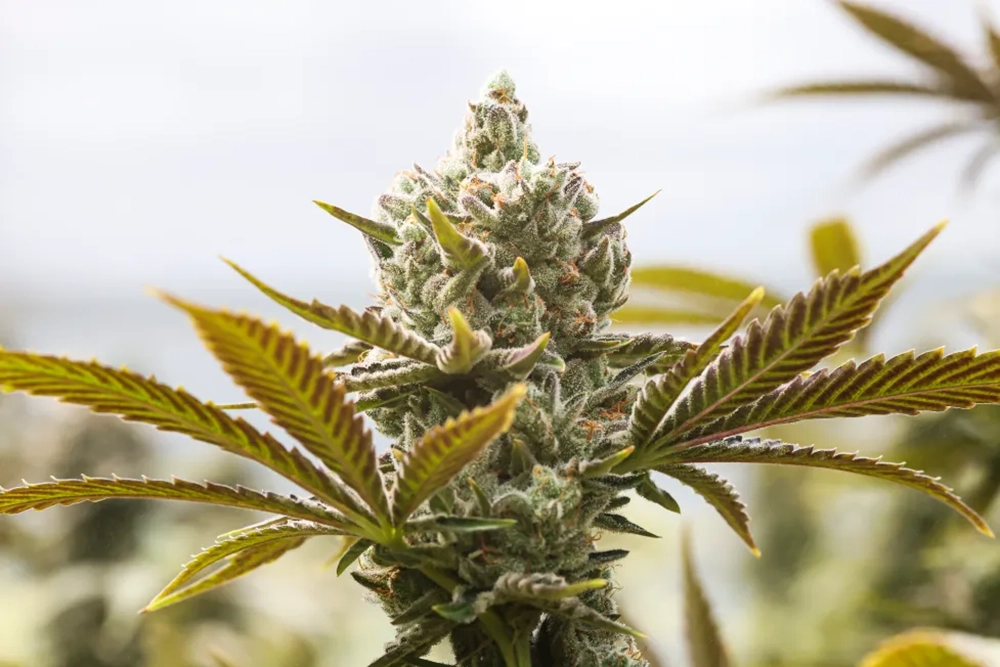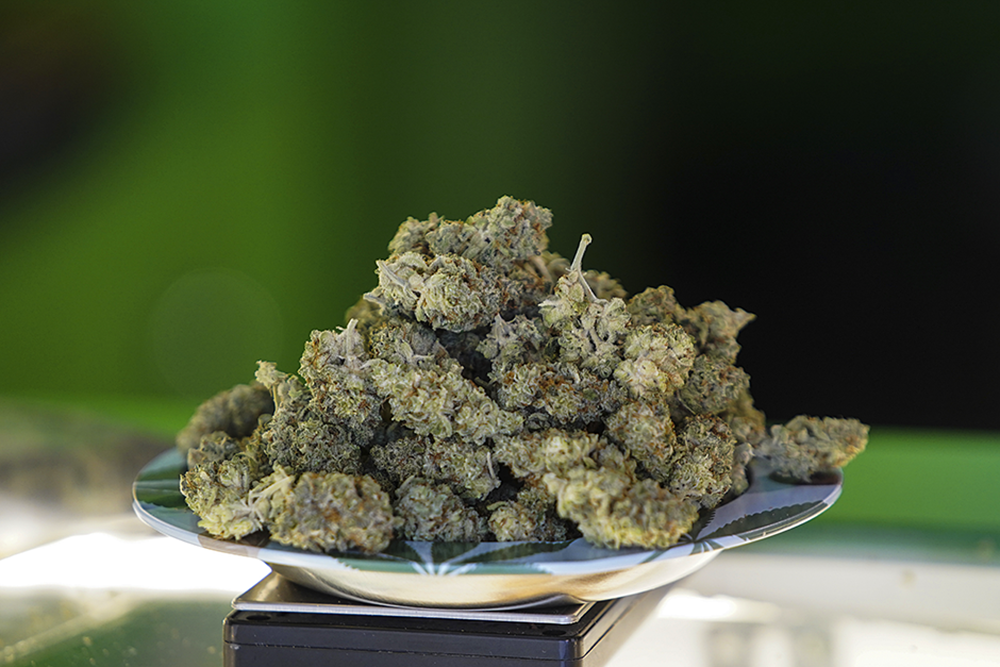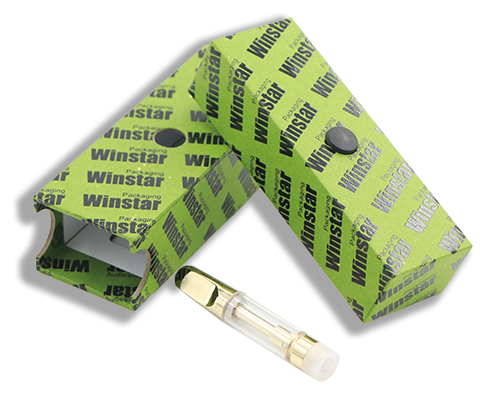

“Cannabis stickers” can mean two very different products: (1) cannabis-themed stickers for laptops, water bottles, and merch, or (2) labels/stickers used on cannabis packaging (strain info, warnings, barcodes). This guide covers both—so you can source the right sticker and stay on the right side of online selling rules.
Last updated: February 2, 2026Best for: US online sellers, small brands, packaging teamsTime to read: ~10–12 minutes
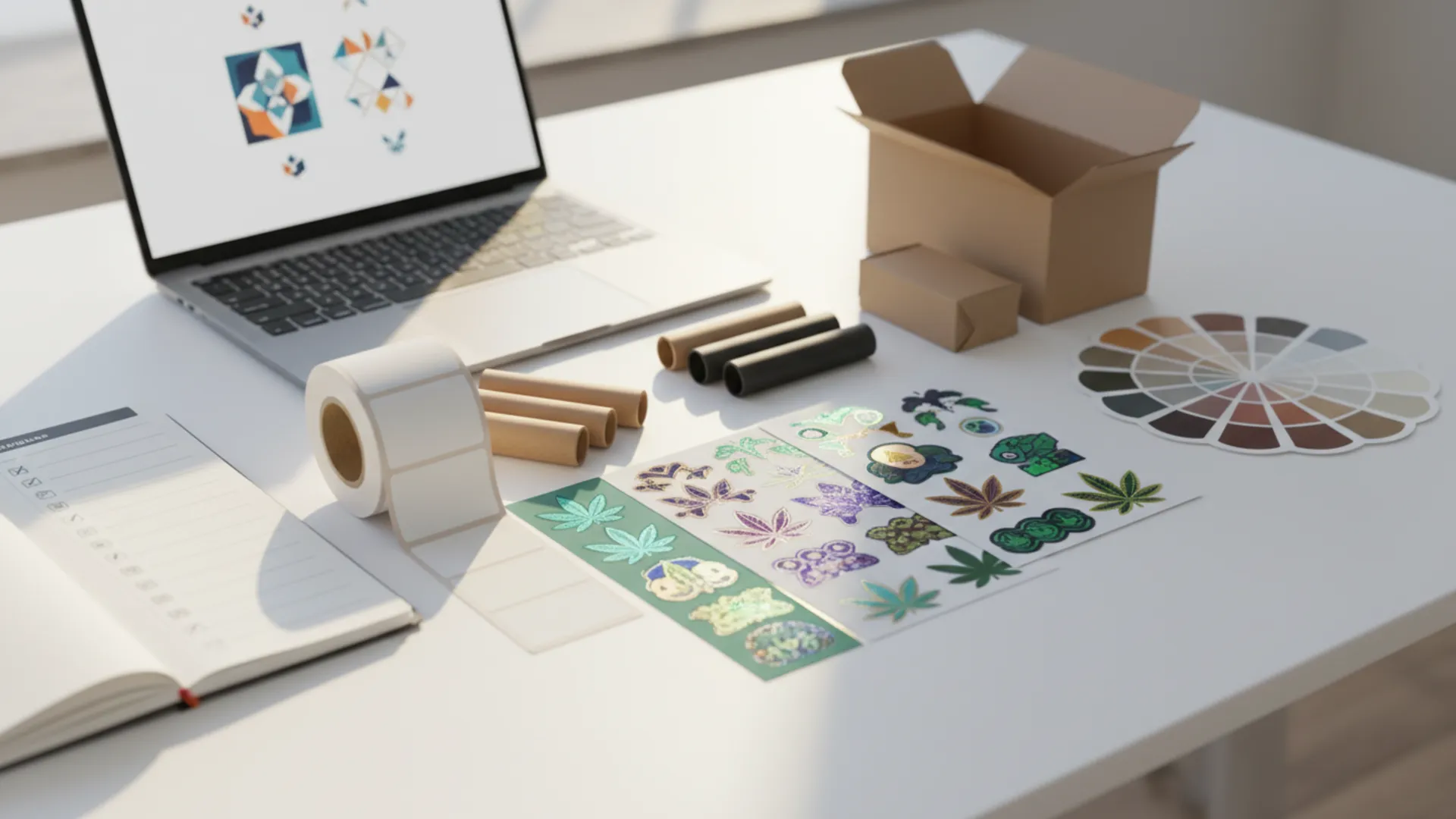
Table of Contents
1) Start here: what kind of “cannabis sticker” are you selling?
7) Where 420-packaging.com fits (lightweight recommendations)
1) Start here: what kind of “cannabis sticker” are you selling?
Your sourcing path and “license” needs change depending on whether you’re selling novelty/merch stickers or compliance labels for actual cannabis products.
| Sticker type | What it’s used for | Best supplier type | Typical order pattern | “Licenses” reality check | Source link (examples) |
|---|---|---|---|---|---|
| Merch / Cannabis-themed | Laptops, water bottles, skateboards, promo packs, brand art | Sticker manufacturers, POD, local print shops | 50–500 for testing → 1,000–10,000 for scale | Usually no cannabis license; you still need normal business + sales tax compliance | Sales tax permit example (CA) |
| Packaging labels | Strain/sku labels, warning labels, barcodes, tamper seals | Label printers + packaging suppliers | 1–3 proofs → small pilot run → full run | Still usually no cannabis license for the label supplier, but the brand must follow state packaging/label rules | Packaging requirements example (CA) |
| Bundled packaging + labels | Pre-roll tubes/boxes plus label stickers (fewer vendors) | Packaging suppliers specializing in cannabis packaging | MOQ-based wholesale; repeatable reorders | Great when you want one quote + consistent fit, but confirm your state’s label content separately | Example: tubes + label stickers |
Quick rule of thumb:If your sticker does not contain cannabis (no THC/CBD in the product) and you’re not selling cannabis itself, you’re usually dealing with standard e-commerce permits—not a cannabis production license. Where it gets complicated is marketing rules (especially if you sell to licensed dispensaries) and sales tax.
2) Where to source high-quality cannabis stickers
“High-quality” usually means: clean color, durable material, adhesive that behaves on real surfaces, and a finish that doesn’t scratch off in a week. Here are the sourcing routes that actually work.
A) Dedicated sticker manufacturers (best for premium merch)
Best when you want die-cut vinyl, specialty finishes (holographic, reflective), and predictable quality at scale.
Ask for: outdoor-grade vinyl, UV laminate, and a defined adhesive type (permanent vs removable).
Most offer sample packs—use them before you commit to a big run.
B) Label printers (best for packaging labels)
Best when you need rolls, barcodes/QR codes, sequential numbering, or consistent label sizing.
Ask for: oil/water resistance, smudge resistance, and “low-temp” adhesive if labels will live in fridges/freezers.
Confirm whether you’re getting rolls (machine-applied) or sheets (hand-applied).
C) Print-on-demand (POD) (fast testing, not always premium)
Best for testing designs with minimal risk.
Quality varies widely; good for early-market fit, less ideal for long-term brand “feel.”
Watch out for: color shifts between batches and limited material/adhesive options.
D) Cannabis packaging suppliers (best when fit matters)
Best when your “sticker” is a packaging label and you want it sized to real packaging (tubes, boxes, jars).
One vendor can reduce mismatch problems (label too big, corners lifting, wrong curvature for tubes).
Example: some pre-roll tube packaging includes customizable label stickers bundled with the tubes.
A practical vendor scorecard (use this before requesting quotes)
| What to evaluate | What “good” looks like | Red flag | What to ask for | Why it matters |
|---|---|---|---|---|
| Material & finish | Clear material spec (vinyl/BOPP/paper), laminate choice | “Premium” with no spec sheet | Material name + laminate type + thickness range | Controls durability + feel |
| Adhesive type | Permanent/removable + surface guidance | “Sticks to anything” claim | Adhesive class + recommended surfaces | Prevents peeling, residue, complaints |
| Color control | Pantone matching option or calibrated proofing | No proof, “it’ll be close” | Physical sample or press proof for key SKUs | Brand consistency across batches |
| Cut accuracy | Clean die-cut edge, consistent backing | Jagged edges, drifting cut lines | Ask for tolerance info and sample photos | Premium look; reduces waste |
| Lead time + reorders | Clear production + shipping timeline | Vague timelines or constant changes | Reorder lead time + repeat consistency plan | Inventory planning; fewer stockouts |
3) Specs that separate “cheap” from “premium”
If you’ve ever received stickers that look fine on day one and terrible by day seven, it’s usually a material/finish/adhesive mismatch—not your design.
| Use case | Recommended material | Finish | Adhesive | Notes |
|---|---|---|---|---|
| Outdoor / UV exposure (cars, windows) | Durable vinyl + UV laminate | Matte or gloss laminate | Permanent | Ask for “outdoor-rated” or UV-resistant laminate to prevent fading |
| Water bottles / dishwashing risk | Vinyl or BOPP | Laminated (scratch + water resistance) | Permanent | Cheap paper labels usually fail here |
| Packaging labels (oils, terpenes, handling) | BOPP (film label stock) or laminated synthetic | Matte/gloss + optional spot UV | Permanent (consider oil-resistant) | Ask vendor how labels behave around oils and frequent handling |
| Tubes / curved surfaces | Flexible film label stock | Low-scratch laminate | High-tack permanent | Curvature matters—test a real tube before scaling |
| Short-term promos (events) | Vinyl or coated paper | Standard gloss | Removable (if desired) | Removable avoids residue complaints |
Design tip that reduces reprint mistakes:Keep small text above your vendor’s minimum readable size for the material/finish you choose, and avoid ultra-thin lines when you plan to die-cut.
4) A quality checklist before you reorder 10,000
If you do nothing else, do these simple tests using real-life surfaces (the exact bottle, jar, tube, or box your customers will touch).
| Test | How to do it (simple version) | Pass criteria | What failure usually means | Fix |
|---|---|---|---|---|
| Rub/scratch test | Rub firmly with a finger + cloth (dry) | No ink smear, minimal scuffing | No laminate or weak topcoat | Add laminate or upgrade finish |
| Water test | Spritz water, wipe, repeat | No bubbling or lifting edges | Paper stock + weak adhesive | Switch to film label stock |
| Oil/handling test | Touch with slightly oily fingertips; wipe | Finish holds, no haze | Finish not suited for oils | Use laminate; ask for oil-resistant option |
| Cold test (if needed) | Put labeled item in fridge/freezer for 24h | Edges stay down, no cracking | Adhesive not rated for low temp | Use low-temp adhesive |
| Curve fit test | Apply to tube/jar curvature; check edge lift | No lifting after 24–48h | Label too stiff or wrong size | Change stock or resize label |
5) What licenses/permits do you need to sell cannabis stickers online?
For most sellers, the “license” question is less about cannabis licensing and more about normal business setup, sales tax, and marketing restrictions that apply when your buyers are licensed cannabis businesses.
The simplest decision path
If the sticker contains no cannabis (no THC/CBD in the product): you’re typically in standard e-commerce territory.
If you sell to licensed cannabis businesses: you don’t usually need their cannabis license, but your product must help them comply with state rules (and your marketing should avoid youth targeting).
If the sticker is infused with cannabis extract or marketed as a “THC product”: that becomes a cannabis product problem, not a sticker problem—don’t do this without proper legal counsel and licensing.
Common permits most online sticker sellers run into (US)
| Permit / requirement | Who typically needs it | Why | What to prepare | Example source |
|---|---|---|---|---|
| Business registration (city/county/state) | Anyone operating a real business (even online) | Legitimizes operations; often required for wholesale accounts | Business name, address, entity type (LLC/sole prop), EIN (often) | Sales tax compliance overview (CA example) |
| Sales tax permit / seller’s permit | Sellers of tangible goods in states where they have nexus | Collect/remit sales tax where required | State registration, product type, expected sales volume | CA seller’s permit overview |
| Resale certificate | Buyers purchasing stickers wholesale for resale | Allows tax-free wholesale purchase (rules vary by state) | Seller’s permit ID / resale details | Resale certificate notes (CA example) |
| Trademark/IP permissions | Anyone using someone else’s logo, mascot, or brand assets | Avoid takedowns and legal headaches | Written permission or licensed artwork | Trademark basics (USPTO) |
| Marketing restrictions (if you’re marketing cannabis) | Licensed brands/retailers; sometimes their vendors are affected | Avoid youth targeting; comply with state rules | Age gating, creative guidelines, channel targeting | Example: CA youth-attraction guidance |
Plain-English takeaway:If you’re selling cannabis-themed stickers as “merch,” your main legal homework is business setup + sales tax. If you’re selling packaging labels to licensed cannabis businesses, your main homework is making sure your labels support their state compliance (and that your marketing doesn’t look like it’s aimed at kids).
6) Common compliance & platform pitfalls (easy to avoid)
Don’t design like it’s for kids
Even if you’re “just selling stickers,” cannabis regulators often focus on youth-attractive designs when the stickers are used on regulated products. If your buyers include dispensaries or cannabis brands, avoid cartoon mascots, kid-like candy themes, and youth-coded aesthetics.
If you sell to regulated brands, ask them which state rules they follow and what they consider “safe” creative. Reference (CA example):cannabis products attractive to children prohibited
Be careful with “free sticker” promos
In some regulated markets, licensed cannabis businesses face strict limits on giveaways and promotional items. That doesn’t automatically ban your sticker business—but it can change how your customers use your stickers.
Example reference (MA bulletin on advertising activities):bulletin advertising activities
Avoid trademark traps
Don’t print famous brand logos or recognizable characters without permission.
Be cautious with well-known strain names that may be trademarked in certain contexts.
Use original artwork or properly licensed assets.
Don’t blur the line into “cannabis products”
Don’t claim your sticker is “infused,” “THC,” “CBD,” or intended for consumption.
Don’t market stickers as a way to ship, hide, or distribute cannabis.
Keep product descriptions about durability, material, and design—not effects.
7) Where 420-packaging.com fits (lightweight recommendations)
If your “stickers” are really packaging labels—or you want labels sized to real cannabis packaging— it can be simpler to source packaging and label stickers from the same supplier.
Two practical ways to use stickers in cannabis packaging
Bundle labels with packaging: helpful when you want consistent fit on tubes/containers.
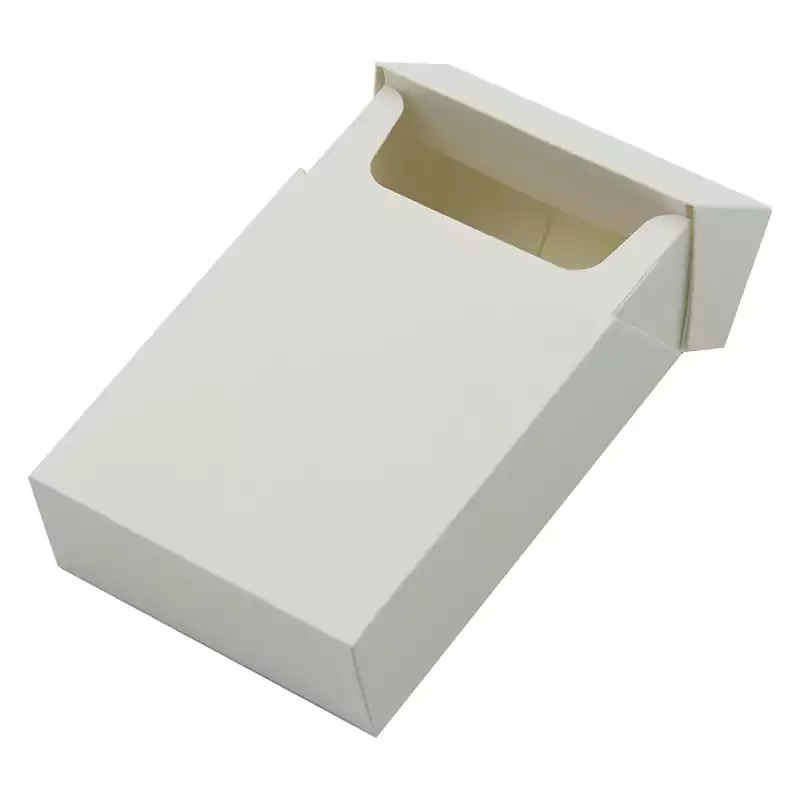
Use blank boxes + apply stickers: helpful when regulations or SKUs change often (you can swap labels without reprinting boxes).
420 Packaging highlights the “blank packaging + sticker” approach for pre-roll boxes: pre-roll packaging without labels & logo
Examples from 420-packaging.com that relate to stickers/labels
| Product (example) | What’s relevant to stickers/labels | Specs shown on site | Best for | Link |
|---|---|---|---|---|
| Wholesale Pre Roll Tube Packaging (label stickers included) | Includes customizable design label stickers (bundled) | Sizes: D 19 × H 98mm or D 19 × H 120mm Material: PP Packing: 500 pcs/CTN MOQ shown: 5000 pcs Samples: free (shipping via freight collect or PayPal); sample time 1–3 days; mass production ~18 days | Brands that want tubes + ready-to-apply label stickers | Product page |
| Supplier Pre Roll Cardboard Box (gold foil label / sticker) | Mentions gold foil label and premium finishes; lists printing/stock/coating options | Printing: CMYK, PMS, or no printing Paper stock: 10pt–28pt (Eco-Friendly Kraft, E-flute corrugated, etc.) Coating: Gloss, Matte, Spot UV Options: gold/silver foiling, embossing, raised ink, PVC sheet, custom window cutout Quantities shown: 1000–500,000 Turnaround shown: 4–6 business days (rush available) | Premium shelf packaging where label/foil detail matters | Product page |
Keep the claim modest:If you’re selling labels to cannabis brands, avoid saying “compliant everywhere.” A safer approach is: “We print to your state’s required label layout and your provided content.”
8) FAQ
Do I need a cannabis license to sell cannabis-themed stickers online?
Usually no—if the stickers are just designs/merch and contain no cannabis. What you typically need instead is standard business setup and any sales-tax permits required where you have nexus.
What if I sell labels meant to go on cannabis products?
You may not need a cannabis license as the label supplier, but your customers (licensed brands) are responsible for meeting state packaging/labeling rules. Your job is to print exactly to their approved layout and materials that hold up in real handling.
What’s the fastest way to test sticker quality without wasting money?
Order a small test run and do the rub test, water test, and surface fit test on the exact items your customers use. If you’re labeling curved tubes or jars, test curvature for edge lift over 48 hours.
How do I avoid getting designs rejected by regulated cannabis brands?
Keep designs away from youth-attractive cues (cartoon mascots, candy themes, kid-like styling), and avoid messages that promote specific cannabis products if your buyer is a licensed dispensary in a strict market.
Are holographic stickers “bad” for cannabis?
For general merch, holographic can be great. For regulated packaging, some regulators consider flashy finishes as potentially youth-attractive in certain contexts. If you sell to licensed brands, ask what their compliance team allows before you print 10,000.
Should I choose sheets or rolls for packaging labels?
Sheets are easier for small batches and hand-application. Rolls are better for speed, consistency, and machine application. If you’re scaling, roll labels often win.
Can I ship cannabis-themed stickers to any US state?
Generally yes for non-cannabis merch stickers. The bigger risk is platform/payment restrictions and IP issues, not physical shipping—unless you try to sell anything infused with cannabis.
What should I include in a quote request to get accurate pricing?
Sticker type (die-cut/kiss-cut, sheet/roll)
Material + finish (vinyl/BOPP/paper; matte/gloss; laminate)
Size, quantity, number of designs
Any special needs (foil, spot UV, numbering, QR/barcode)
Where it will be applied (tube/jar/box, indoor/outdoor)
Deadline + shipping destination
Sources referenced via links in tables and sections (external links are marked nofollow; 420-packaging.com links are direct): CDTFA seller’s permit overview, CA DCC packaging page, CA youth-attraction guidance, MA CCC advertising bulletin, USPTO trademark basics, and 420-packaging.com product pages.