
Last updated: August 9, 2026
Quick Answer
Pre-roll packaging crush protection depends on the complete pack-out, not the retail box alone. Start with a rigid outer structure, then prevent the cones from sliding, colliding, or carrying top load. Measure the longest and widest finished pre-rolls from several production lots, size the cavity around those real extremes, and confirm that the lid or drawer never presses the tip. Test filled retail packs inside the actual master carton through vibration, drop, and compression conditions that reflect your distribution route. Record damage by location and type. A package that looks sturdy but allows excessive motion, concentrates force at the crutch, or collapses when stacked can still produce bent, telescoped, or emptied cones.
Crushed pre-rolls are usually treated as a material problem. In practice, the damage often begins with a mismatch among cone variation, insert geometry, closure travel, pack-out orientation, and the shipping case. This guide shows how to diagnose the evidence, choose a structure worth sampling, and build a repeatable transit check before a full packaging run.
What Actually Crushes Pre-Rolls in Transit?
A pre-roll can be damaged without the retail package showing a dramatic dent. The package travels as a system: filled cone, insert or tube, retail container, case partition, master carton, pallet, and handling route. Failure at any interface can transfer force to the product.
Five common force paths
- Top load: stacked cartons compress a weak retail box or push the closure into the cone tips.
- Impact: a drop stops the package suddenly while an unsecured pre-roll keeps moving into an end wall.
- Vibration: repeated motion lets cones rub, rotate, telescope, or shed material even when no single event looks severe.
- Side squeeze: tight case packing or a bowed divider pinches the retail pack and narrows its internal cavity.
- Assembly load: the product is already compressed when an operator closes a drawer, lid, or sleeve.
General distribution tests recognize these combined hazards. The International Safe Transit Association describes its 3-Series protocols as laboratory simulations of damage-producing transport motions, forces, conditions, and sequences. A simple in-house screen cannot replace a qualified laboratory protocol, but it can reveal obvious design weaknesses before you pay for formal testing.
Read the Damage Signature Before Changing the Box
Do not start with “make it thicker.” First map where and how the product failed. Photograph the unopened case, opened case, retail pack, insert, and each damaged cone in that order. Keep location labels such as top-left, center, and bottom-right. The pattern usually points to a narrower cause.
| Damage signature | Likely force path | First check | Possible correction |
|---|---|---|---|
| Tips flattened across most units | Insufficient headspace or closure travel | Longest filled product versus closed internal length | Increase headspace or stop closure intrusion |
| Random bends and crutch impacts | Excessive movement during impact | Shake, rotate, and end-wall contact | Add individual lanes or soft retention away from fragile ends |
| Damage concentrated near carton corners | Case drop or corner crush | Master-carton corner condition and void fill | Improve case partitioning and corner clearance |
| Fine material loss with intact cones | Vibration and surface abrasion | Cavity movement and rough contact points | Reduce travel and smooth the contact geometry |
| Only the bottom case layer fails | Stack compression | Case height, board condition, and stack pattern | Strengthen the shipping system or lower stacking load |
Pre-Roll Packaging Crush Protection by Structure
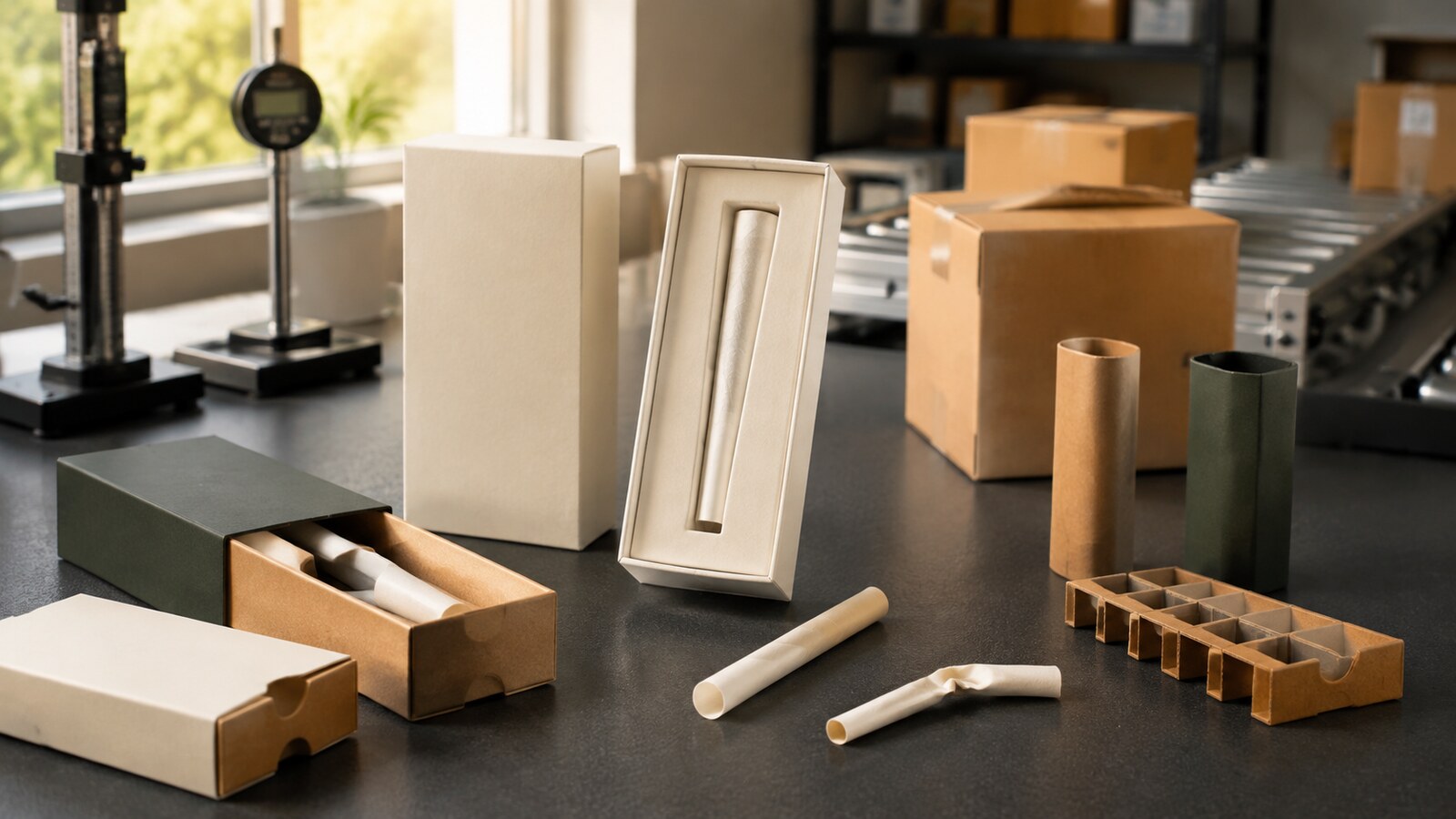
No format wins every route. Compare protection at the product level and at the shipping-case level. A rigid single tube isolates one cone, while a divided multipack can control several cones efficiently. An undivided box may still work if the product is retained and the case prevents deformation.
| Structure | Mechanical advantage | Watch point | Best validation question |
|---|---|---|---|
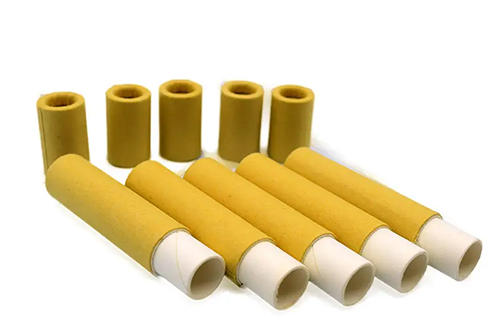
| Rigid single tube | Separates each unit and resists side squeeze | Too much end-to-end travel | Does the longest cone clear the cap while the shortest avoids hard impacts? |
| Drawer box with divider | Controls lateral contact in multipacks | Divider edges or drawer travel can pinch | Does every production-size extreme load and close without force? |
| Flip-top box with insert | Fast access and configurable retention | Lid panel can transfer top load | After compression, is there still visible clearance above the tips? |
| Undivided paper box | Simple pack-out and low component count | Product-to-product collision | Does ordinary vibration create rotation, telescoping, or abrasion? |
Browse the current Pre-Roll Packaging range to compare formats, then sample only the structures that match your count, product dimensions, opening method, and state-market requirements.
Measure Fit Without Compressing the Product

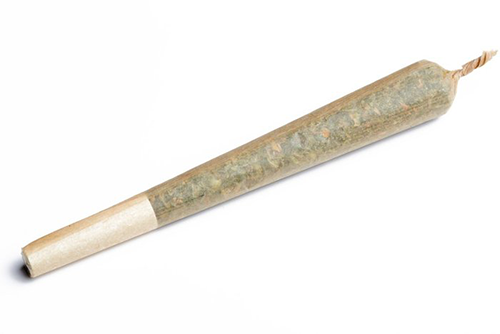
Measure finished, filled pre-rolls—not empty cones from a component specification. Product length, diameter, crutch position, fill density, and twist style can vary by batch. Pull samples from the beginning, middle, and end of a production run, then record the minimum, median, and maximum rather than averaging away the extremes.
A practical fit worksheet
- Measure the longest product and confirm it never contacts the closure in normal assembly.
- Measure the widest product at several points, including the crutch and filled body.
- Load the widest product into every cavity position; edge lanes often behave differently from center lanes.
- Close the package at normal operator speed. Any need to press, bend, or steer the tip is a failure.
- Test the smallest product for excessive movement by rotating and gently shaking the sealed pack.
- Condition paper components at the temperatures and humidity ranges expected in storage and packing, then repeat.
Do not publish a universal clearance number without testing the actual product and structure. The useful acceptance limit is the smallest clearance that prevents assembly load while also limiting impact travel. Record it on the approved drawing and inspect it with a simple go/no-go sample.
Run a Small-Batch Transit Test

Use the real sellable pack-out, master carton, partitions, sealing method, and case quantity. Include samples from more than one packaging-production position and more than one pre-roll lot. ISTA notes that tests should be repeated when the product, package, or process changes, and it recommends replicate testing with new samples because one pass provides limited confidence.
Seven-step screening sequence
- Baseline: photograph, count, and weigh representative finished units; note existing cosmetic defects.
- Pack: use trained operators and the intended line settings. Record any closure resistance.
- Condition: hold samples in relevant warm, cool, or humid conditions when those occur in the route.
- Vibrate: use a controlled method that represents the planned route; do not invent a certification claim from a bench screen.
- Drop: test the actual shipper on faces, edges, and corners under a documented plan appropriate to its weight and route.
- Compress: evaluate realistic stacking, including the lowest layer and any loss of strength after conditioning.
- Inspect: open in a fixed order, map every failure, and compare with untouched controls.
For a formal program, select a protocol with a qualified packaging professional or laboratory. FedEx Distribution Testing describes testing services for parcel and freight shipments, while ISTA offers procedures for different distribution systems. The correct test depends on the complete shipment, not simply the retail package.
Recommended Packaging Options to Test
These current 420 Packaging products provide different retention and opening structures for sample evaluation. The right option still depends on your finished pre-roll dimensions, distribution route, local rules, and documented testing. A product page or packaging feature alone does not establish regulatory compliance.
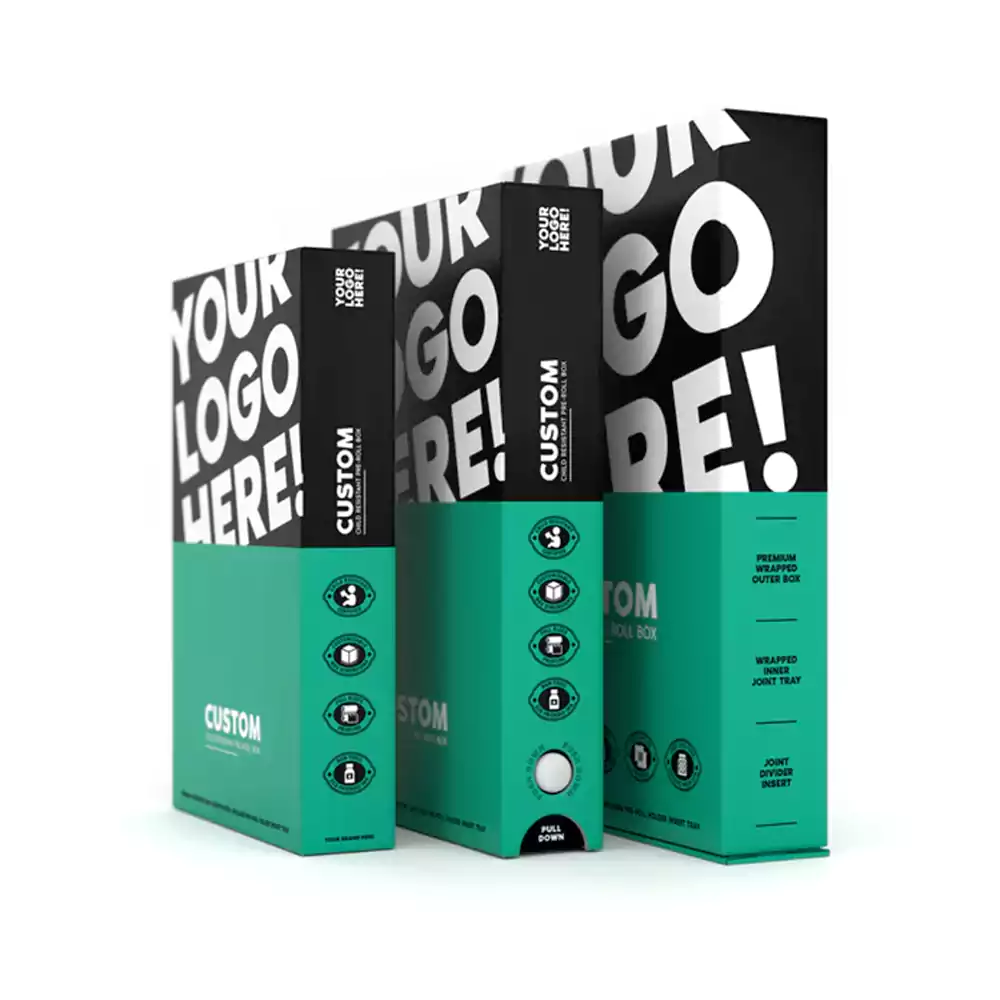
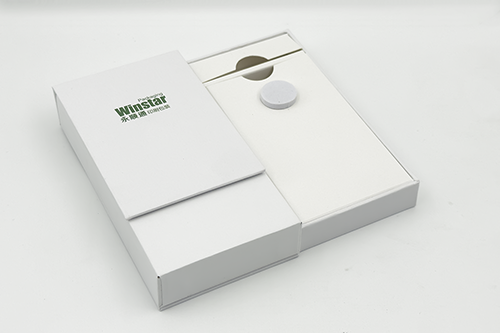
Pre Roll Box with Button and Two Childproof Options Three Customer Divider Insert Types
The current product page lists back-button and side-button opening options plus three custom divider insert choices. It is a useful sampling candidate when you need to compare how different divider geometries limit movement. Ask for samples built around your actual cone extremes and confirm the selected child-resistant configuration with applicable documentation.
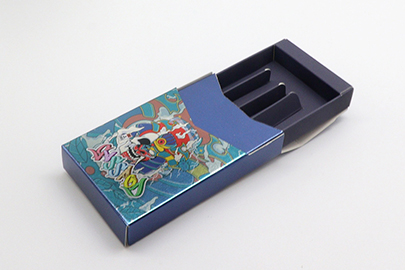
Box of Pre Rolls With Slide Divider OEM
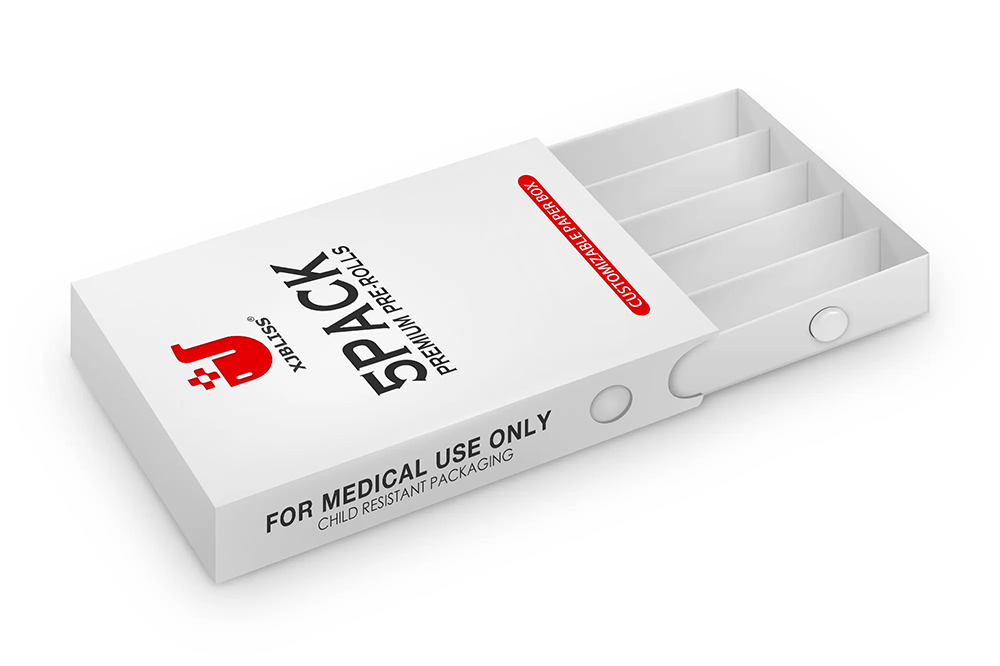
The official listing describes a five-pre-roll format with a slide divider, rear childproof button, pull-out access, and UV-coated surface. The separate lanes are relevant to collision control, but the sample should still be checked for tip clearance, divider-edge pressure, drawer travel, and case compression.
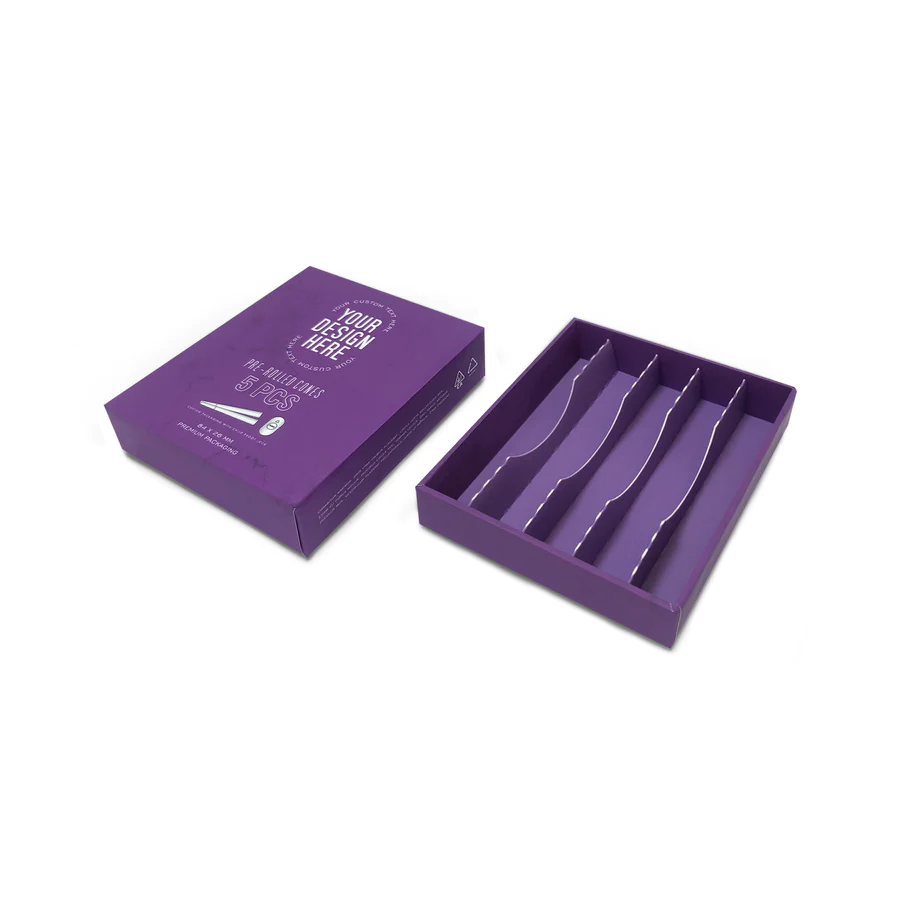
Child-Resistant Pre Roll Box 5 Pack
This current listing describes a paper drawer that holds up to five pre-rolls and uses a rear child-resistant button. It can be evaluated when a compact drawer format fits the retail brief. Verify the intended divider option, finished internal dimensions, closure behavior, and evidence supporting any safety claim for the exact supplied configuration.
Build a Pack-Out SOP That Reduces Breakage
A validated design can still fail on the line. Convert the approved sample into short operator checks that are observable without interpretation.
- Orient every pre-roll consistently and keep fragile tips away from closure paths.
- Reject torn, bowed, or poorly seated inserts before loading.
- Never force a product into a cavity or close a drawer against resistance.
- Use a photographed standard for correct fill height, tip clearance, and insert seating.
- Check the first units after startup, changeover, jam clearing, and material-lot changes.
- Control master-carton count, orientation, partitions, void fill, tape pattern, and case stacking.
- Keep finished cases dry and within the storage conditions used during qualification.
When a state requires child-resistant or tamper-evident packaging, mechanical changes should also trigger a compliance review. California’s cannabis regulations revised January 1, 2026 are one current example of state-specific rules. Requirements vary, so confirm the exact market and package configuration with the responsible regulator or qualified advisor.
Use Damage Data to Release, Correct, or Hold
Define damage before the test. Separate critical defects, such as an opened package or unusable product, from major defects, such as a bent cone, and minor cosmetic issues. Then calculate a simple rate:
Damage rate = damaged pre-rolls ÷ inspected pre-rolls × 100
Do not use a borrowed universal acceptance percentage. Set limits from your customer requirements, risk assessment, historical process capability, distribution channel, and quality plan. The decision table below turns the result into action.
| Decision | Evidence | Action |
|---|---|---|
| Release | All predefined limits met; no unexplained cluster | Approve the documented configuration and retain samples |
| Correct and retest | Pattern points to a controllable fit, insert, or case issue | Change one variable, document it, and repeat with new samples |
| Hold | Critical defect, unexplained variability, or closure/safety concern | Stop release until root cause and required compliance review are complete |
Questions to Ask a Packaging Supplier
- Which internal dimensions are controlled, and what are their production tolerances?
- Can the insert be sampled using our minimum and maximum finished pre-rolls?
- Does the closure or drawer intrude into the usable cavity under compression?
- Which material, board, coating, adhesive, and insert construction will production use?
- Will the supplier provide an assembled blank sample and a production-intent printed sample?
- What inspection records support insert position, box squareness, and closure function?
- Which change controls apply to materials, tooling, tolerances, and subcontractors?
- What documentation applies to a child-resistant claim for the exact size, material, and closure?
- How are retail packs arranged in the master carton, and has that complete system been tested?
Common Mistakes
- Testing empty packaging: it cannot reproduce product variation or internal impact.
- Testing only the retail pack: the master carton and stacking pattern may be the actual failure source.
- Using average dimensions: maximum length and diameter often govern damage.
- Adding tight foam or paper: retention that presses the fragile body simply moves the failure.
- Changing several variables at once: the next test cannot identify what solved—or caused—the problem.
- Assuming visual rigidity equals protection: internal movement and force paths remain hidden.
- Ignoring safety evidence after a structure change: a modified closure, insert, or dimension may require renewed review.
Frequently Asked Questions
What packaging prevents pre-rolls from being crushed?
Rigid tubes and boxes with correctly fitted inserts can reduce crushing, but protection depends on the full pack-out and shipping case. Validate the actual filled configuration.
Should pre-rolls fit tightly in an insert?
They should be controlled without being compressed. A tight cavity can damage the paper, tip, or fill during loading and closure.
How much headspace should a pre-roll package have?
There is no universal number. Establish headspace using the longest finished product, closure travel, material tolerances, and transit testing.
Are pre-roll tubes more crush-resistant than paper boxes?
A rigid tube can isolate a single unit effectively, while a well-designed divided box can protect a multipack. Compare both in the intended case and route.
Why do pre-rolls break even when the box is undamaged?
Internal vibration or impact can make an unsecured cone strike another cone, an end wall, or a rough insert edge without visibly deforming the outer box.
Can a thicker carton solve transit damage?
Sometimes, but only when panel collapse is the root cause. Thicker board will not correct excess cavity movement, closure interference, or poor case packing.
How many samples should be transit tested?
Use a documented sample plan that covers product and packaging variation. Replicates with new samples provide more confidence than a single pass.
When should packaging be retested?
Retest when the product, dimensions, materials, insert, closure, supplier process, pack-out, case, or distribution route changes—and whenever damage patterns shift.
Does passing a shipping test prove cannabis packaging compliance?
No. Transit performance, child resistance, tamper evidence, labeling, and state rules are separate requirements that need their own evidence and review.
What should be sent to a packaging supplier for a quote?
Send finished-product dimension ranges, count, orientation, target markets, opening and safety requirements, insert preference, master-carton needs, artwork timing, and the planned validation method.
Choose the Next Packaging Step
Bring your finished pre-roll dimensions, unit count, intended market, and shipping route. Compare divider and drawer structures, request production-intent samples, and plan the pack-out test before committing to volume.