
Last updated: August 3, 2026
Quick Answer
A cannabis packaging youth-appeal audit is a documented review performed before artwork is printed. It looks for snack or candy imitation, cartoons, toys, child-centered language, exaggerated flavor cues, confusing product identity, and other elements that could make an intoxicating product attractive to minors or easy to mistake for ordinary food. Do not treat one muted color or a child-resistant closure as a complete solution. Review the package as a whole, check the rules for every state where it will be sold, test the physical closure, and obtain written regulatory approval before production. This guide gives brands a practical screening process; it is not legal advice and packaging alone does not guarantee compliance.
Artwork can fail even when every required warning appears somewhere on the label. A bright pouch may resemble a familiar snack from several feet away; a flavor name may dominate the product identity; or a compliant-looking carton may cover a noncompliant primary container. The costly moment to discover that problem is after thousands of units have been printed.
Federal agencies have challenged edible THC packaging that closely imitated foods children commonly eat. State rules also differ and change. In 2026, Oklahoma enacted HB 4454 concerning restrictions on medical marijuana edibles, while California continues to prohibit manufactured cannabis products and packaging considered attractive to children. The operational lesson is broader than any one state: build a repeatable artwork gate instead of relying on a designer's instinct.
What “Youth Appeal” Means in Cannabis Packaging
There is no single nationwide artwork template that makes cannabis packaging acceptable everywhere. The phrase is interpreted through federal consumer-protection concerns and state-specific statutes, regulations, guidance, and enforcement. Common warning signs include cartoons, toys, animals presented as characters, imagery of minors, candy-like shapes, imitation of well-known foods, and words or graphics associated mainly with children.
The FTC and FDA's 2024 enforcement announcement focused on edible Delta-8 THC products whose packaging imitated conventional foods. The California Department of Cannabis Control provides examples of prohibited product and package characteristics. Oklahoma's official HB 4454 history shows approval by the governor on May 7, 2026. Always verify the final rule text, effective date, agency guidance, and local requirements for your licensed market.
Child-resistant is not the same as adult-oriented
A tested child-resistant mechanism addresses access performance under a defined test protocol. It does not automatically approve the graphics, product shape, label claims, or marketing. Conversely, restrained artwork does not make an untested closure child-resistant. Treat structure, artwork, labeling, product form, and marketing as separate review lanes that must all pass.
The Seven-Part Cannabis Packaging Youth-Appeal Audit
Product identity: Can an adult immediately tell that this is an intoxicating cannabis product rather than ordinary food?
Brand similarity: Does the name, logo, color blocking, type treatment, or package silhouette evoke a popular snack, beverage, cereal, or candy?
Characters and imagery: Remove cartoons, childlike mascots, toys, school themes, juvenile animals, and depictions of minors where prohibited.
Flavor communication: Describe flavor without making fruit, frosting, candy, or dessert imagery the dominant identity. Review local rules; some jurisdictions are more restrictive than others.
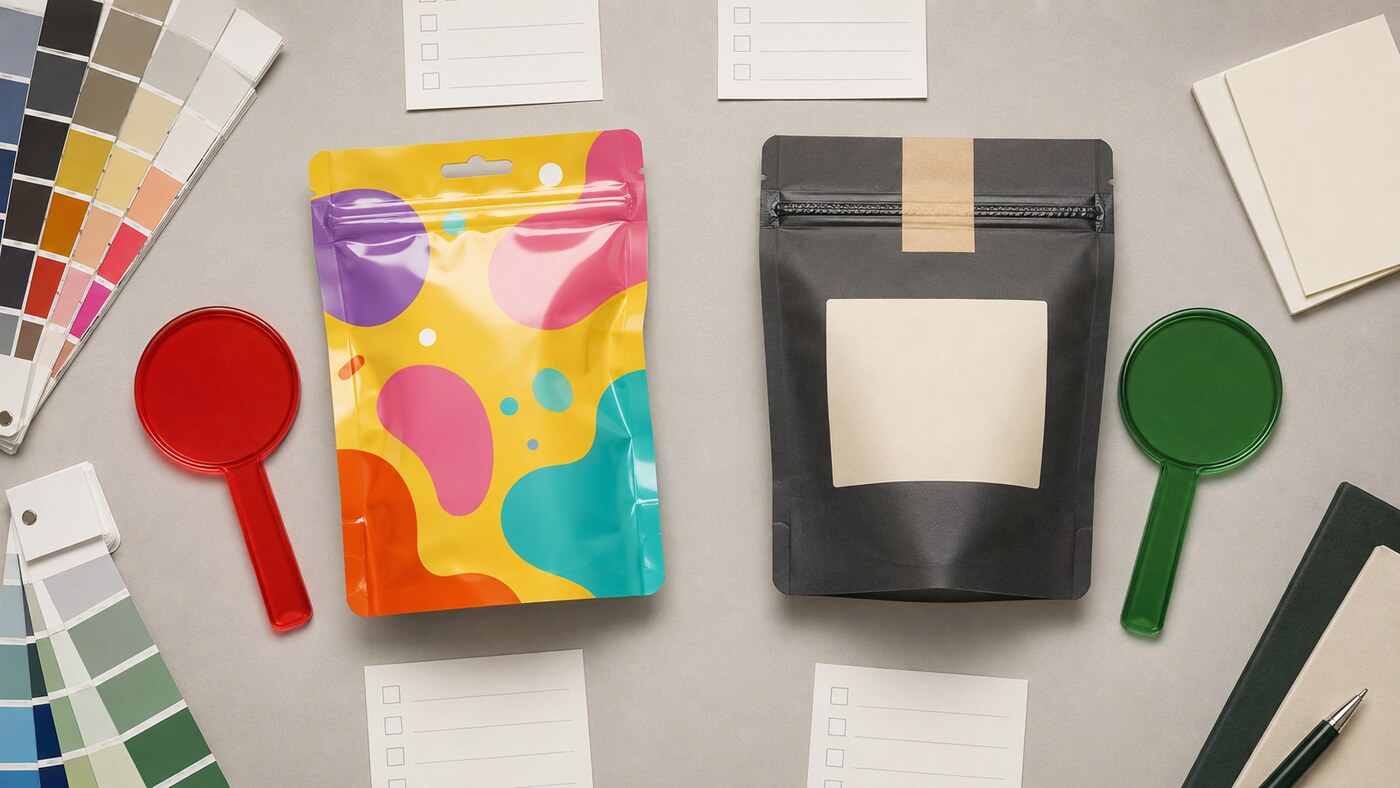
Color and finish: Judge the combination, not a color in isolation. Neon palettes, holographic effects, bubble lettering, and collectible-style finishes can compound risk.
Warnings and hierarchy: Required warnings, symbols, potency, servings, and product identity must remain legible and prominent after sealing, opening, and applying variable-data labels.
Physical package: Verify child resistance, tamper evidence, resealability where required, opacity, product fit, and whether inner components remain protected after the outer carton opens.
Youth-Appeal Risk Matrix Before Printing
| Review area | Lower-risk direction | Escalate for review | Evidence to retain |
|---|---|---|---|
| Product identity | Cannabis identity is immediate and unambiguous | Could be mistaken for ordinary food or a supplement | Front-panel proof and shelf-distance photo |
| Brand resemblance | Original name, layout, colors, and silhouette | Echoes a recognizable candy, chip, cereal, or beverage | Trademark screening and comparison notes |
| Imagery | Restrained adult-oriented graphics | Cartoons, toys, child characters, school or game cues | Approved artwork version |
| Flavor | Secondary descriptor within a clear cannabis hierarchy | Candy name or fruit imagery dominates the front | Jurisdiction-specific label review |
| Closure | Tested configuration matches the purchased pack | Certificate covers a different size, material, or closure | Full test report and configuration record |
| Tamper evidence | Visible, irreversible opening evidence | Seal can be removed and replaced without obvious change | Sealed and opened sample photos |
This matrix is a screening tool, not a legal safe harbor. A single high-risk signal should trigger jurisdiction-specific review before approval. Several moderate signals can create a high-risk overall impression even when none seems decisive alone.
Run the Five-Second Mistake Test
Place the front-facing package among ordinary pantry products at normal shelf distance. Show it to an adult who has not seen the project for five seconds, then remove it. Ask three questions: What kind of product was it? Was it intoxicating? Who did the design appear to target? Record the first answers without coaching.
Repeat the test in grayscale, at thumbnail size, and with required variable labels applied. If the package reads as candy before it reads as cannabis, or if the warning disappears once the batch label is attached, the hierarchy needs revision. This informal test does not replace regulatory or consumer testing, but it catches confusion that enlarged design files conceal.
Use a combined-signal rule
Do not approve an element merely because it is not prohibited by itself. A fruit illustration, rounded bubble type, saturated color, collectible character, and candy-shaped product may collectively create an obvious youth-oriented impression. Review the whole package, the edible itself, online product imagery, and point-of-sale display as one consumer encounter.
Match the Design to a Safer Packaging Structure
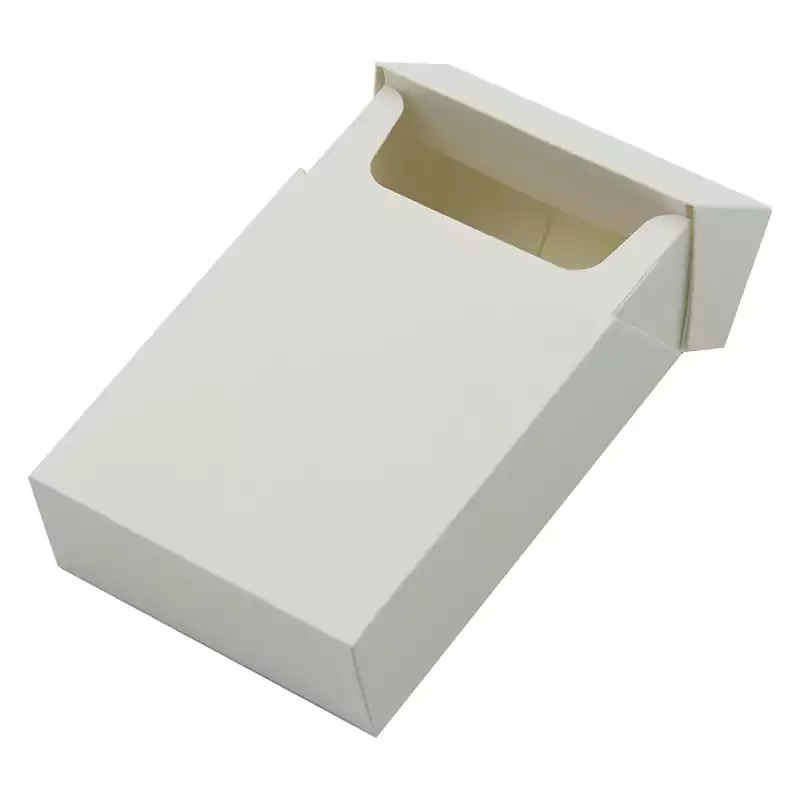
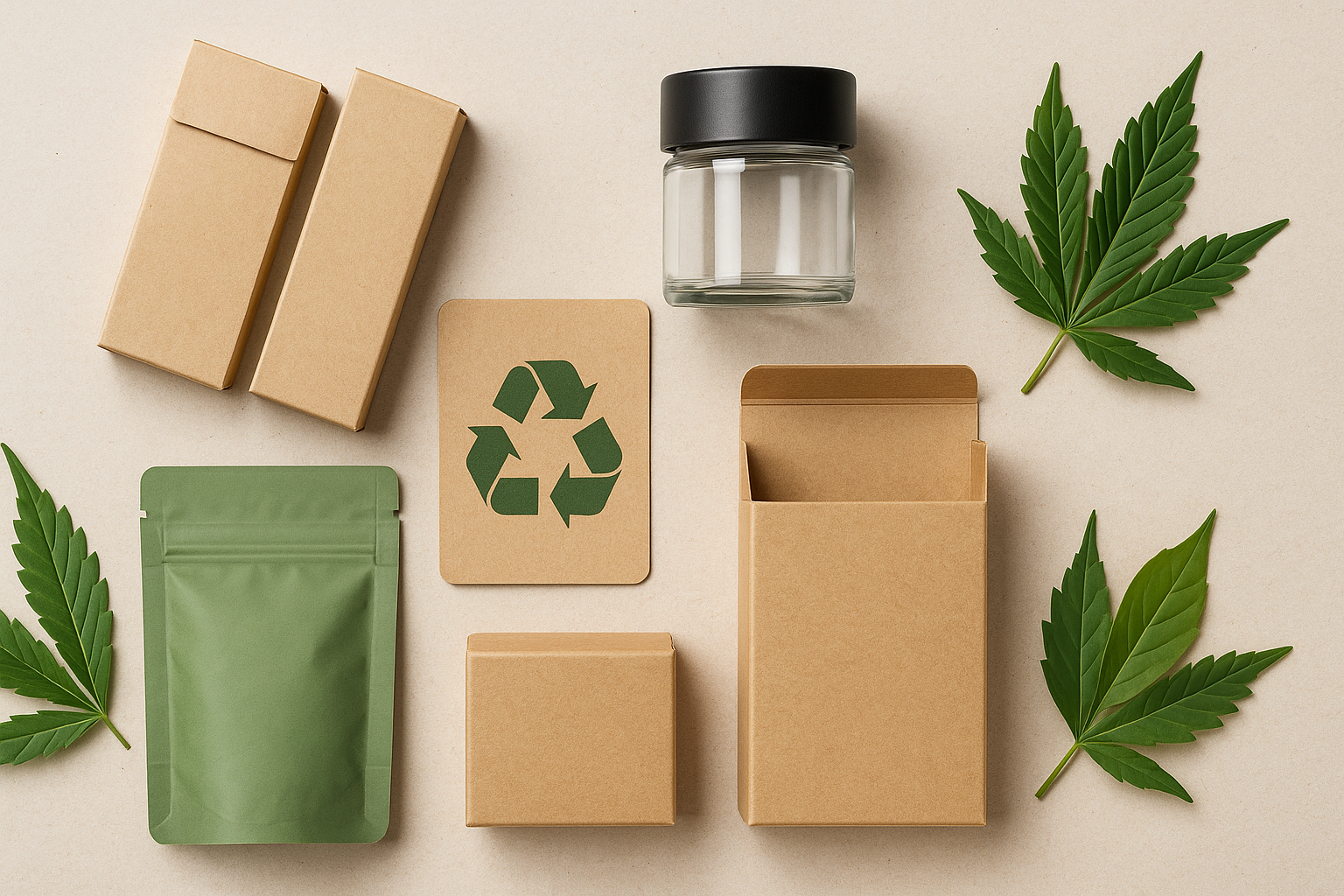
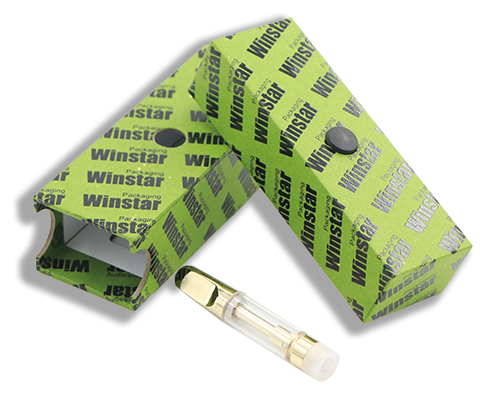
Artwork review works only when the physical format supports the product and target market. Start with the site's current child-resistant packaging options and compare them with the intended product, tested configuration, label area, opening instructions, and state requirements. For gummies, chocolates, and similar products, review the edible packaging category. For a broader format comparison, use the cannabis packaging catalog.
Do not infer certification from appearance or a category name. Ask which exact size, material, closure, insert, and assembly were tested. If a paper carton is secondary packaging, confirm whether the primary container independently meets the applicable requirement. Request a physical sample before finalizing the dieline.
Build a Documented Print-Proof Gate
Freeze the market list. Name every state and sales channel for this SKU; “USA” is not a usable compliance brief.
Build a requirements register. Record official source, revision date, required label content, artwork restrictions, structural requirements, and owner.
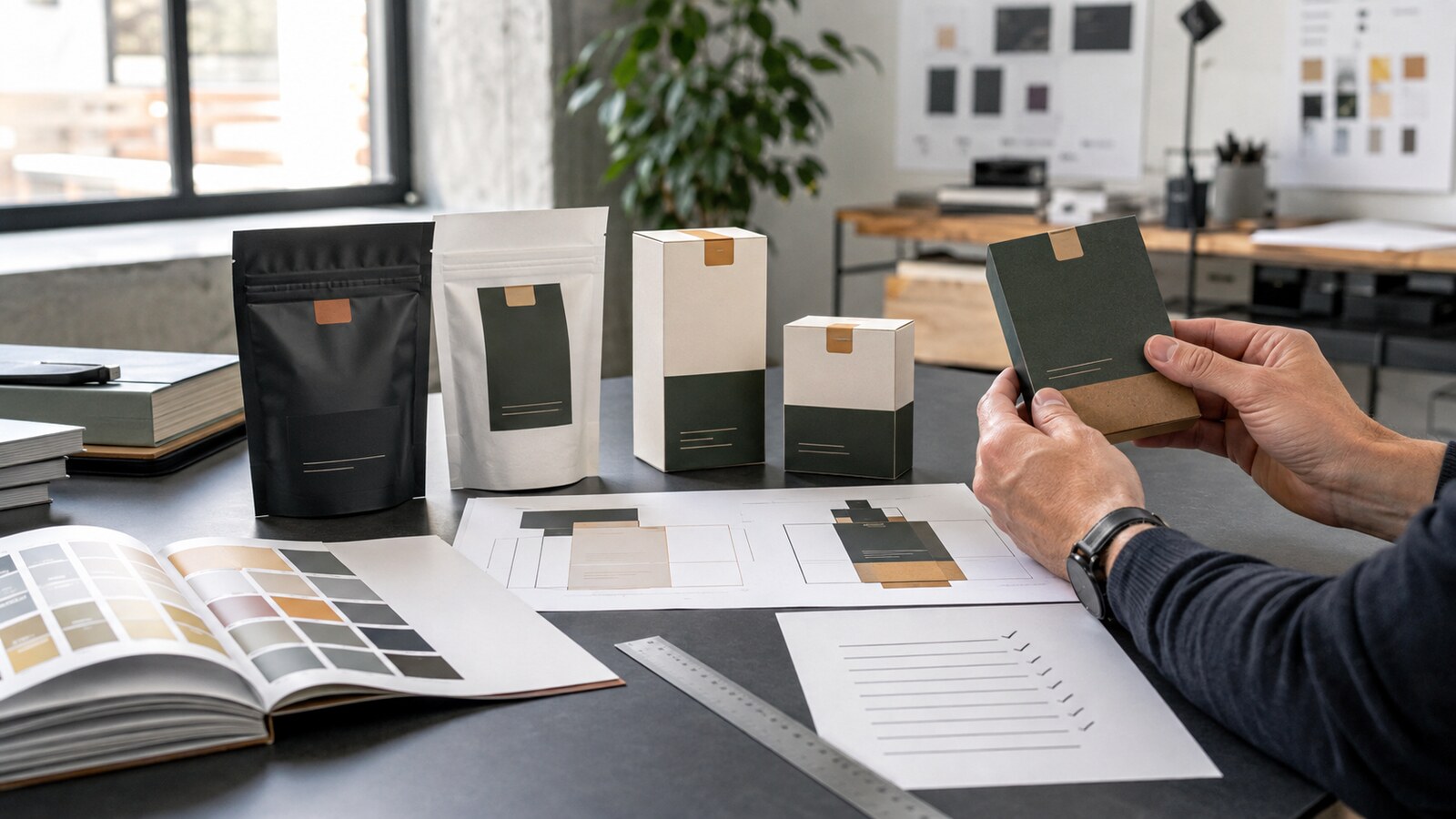
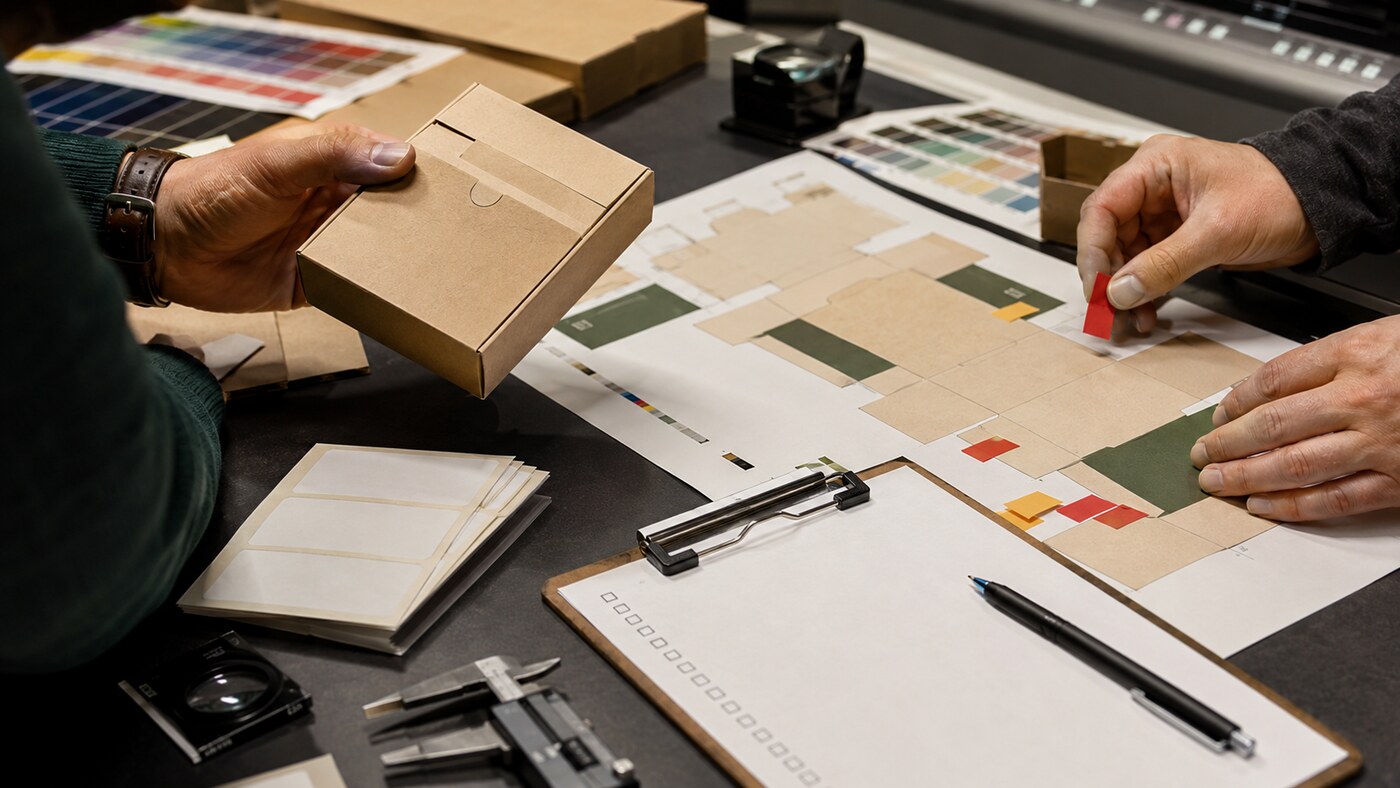
Review the flat dieline. Check copy, symbols, bleed, quiet zones, variable-data area, and closure instructions.
Review the assembled proof. Confirm folds, seals, panels, label overlap, opening sequence, product fit, and visibility after opening.
Run confusion and accessibility checks. Use the five-second test and have adults with different dexterity levels try the instructions without compromising child resistance.
Approve by role. Require named signoff from regulatory/legal, brand, quality, operations, and the print buyer.
Archive one source of truth. Save the approved artwork checksum, dated proof photos, test documents, supplier specification, and approval record together.
Any change to material, dimensions, closure, insert, coating, print file, or selling jurisdiction should reopen the relevant part of the review. “Same artwork, new pouch” is not automatically the same compliance configuration.
Questions to Ask Your Packaging Supplier
Which exact package configuration does the child-resistant test report cover?
Can you provide the complete report, laboratory identity, test date, classification, instructions, and limitations?
Will changing dimensions, material thickness, coating, insert, or closure affect the tested configuration?
Where should required warnings and variable batch labels sit without crossing folds or seals?
How is tamper evidence created, and what visible evidence remains after opening?
Can we approve a blank structural sample and then a printed pre-production sample?
How will color, registration, scoring, glue, closure function, and label placement be inspected during production?
What files and physical retain samples will be available if a regulator or retailer asks for evidence?
For a wider purchasing process, read the verified guide to choosing a cannabis packaging supplier.
Common Mistakes That Survive Internal Review
Reviewing warnings but not resemblance: A legally required statement does not neutralize copycat snack presentation.
Using “child-proof” casually: Child-resistant packaging is designed to reduce access; it is not impossible for a child to open.
Approving only a PDF: Folds, seals, labels, and product inserts can hide required information on the assembled pack.
Assuming outer packaging solves everything: Requirements may apply to the immediate container, exit package, or both, depending on jurisdiction and product.
Relying on an old certificate: Verify the tested configuration and whether subsequent structural changes fall outside it.
Letting e-commerce drift: Online thumbnails, product names, lifestyle images, and ads can recreate youth appeal even after the physical package is revised.
Printing one national version without a market map: State differences can make a universal file impractical or risky.
Frequently Asked Questions
What makes cannabis packaging appealing to children?
Common risk signals include cartoons, toys, child characters, candy or snack imitation, playful names, collectible themes, child-centered language, and an overall presentation easily confused with ordinary food. The exact legal test depends on the jurisdiction.
Are bright colors prohibited on cannabis packaging?
Not everywhere and not always by themselves. Some jurisdictions restrict colors or youth-oriented presentation more broadly. Evaluate the complete combination of color, typography, imagery, product shape, and name against current local rules.
Can cannabis edible packaging show fruit?
Rules differ. A fruit reference may be allowed in one market and restricted or risky in another, especially when it dominates the front or makes the product look like candy. Obtain jurisdiction-specific review before printing.
Does child-resistant packaging make the artwork compliant?
No. Child resistance addresses opening performance for a tested package configuration. Artwork, labeling, tamper evidence, opacity, product form, marketing, and state-specific requirements require separate review.
Can a cannabis package look like a familiar snack brand?
That is a serious risk. FTC and FDA actions have targeted edible THC packaging that closely imitated popular foods. Copycat presentation can also create trademark and consumer-confusion concerns.
What documents should I request for child-resistant packaging?
Request the complete test report, laboratory identity, test date, tested size and materials, closure classification, opening instructions, limitations, and evidence that the supplied package matches the tested configuration.
Should I test a physical package before printing?
Yes. Approve a structural sample for fit and function, then an assembled printed proof for hierarchy, seals, folds, labels, closure instructions, tamper evidence, and real product handling.
Do cannabis packaging rules apply equally in every state?
No. Requirements for child resistance, tamper evidence, opacity, resealability, symbols, warnings, imagery, and label placement vary. Build a current requirements register for each target state.
How often should a youth-appeal audit be repeated?
Repeat it whenever artwork, product form, package structure, material, closure, selling jurisdiction, or applicable rule changes. Also schedule a periodic review using current official sources.
Can a packaging supplier guarantee cannabis compliance?
No single package or supplier can guarantee compliance across products and jurisdictions. Suppliers can provide specifications, samples, and test documentation; the licensed business remains responsible for legal and regulatory review.
Get Packaging Guidance
Share your product type, target state, dimensions, artwork stage, and required documentation so the team can recommend a structure and sampling path for your review.