
Last updated: August 10, 2026
Quick Answer
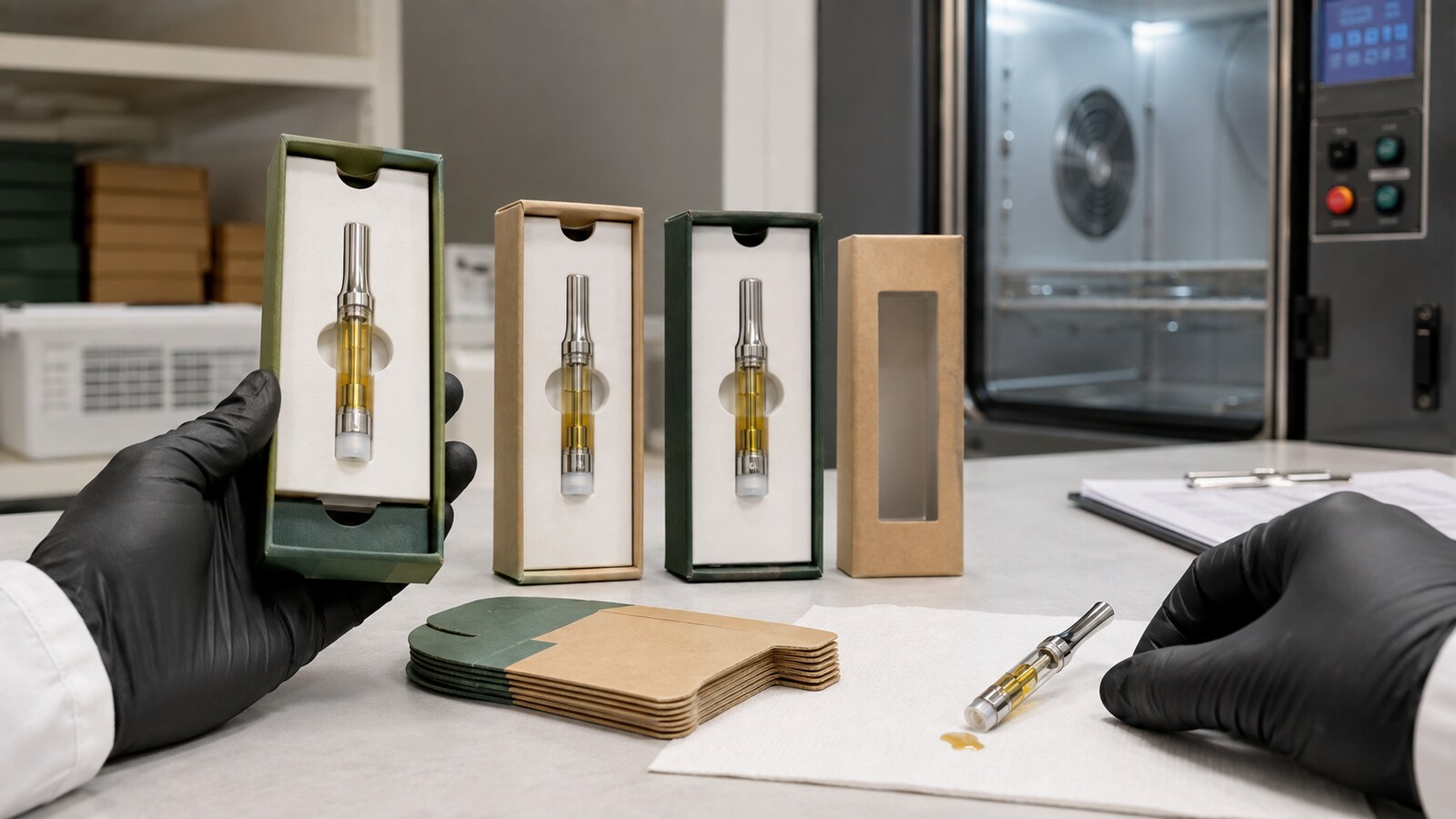
Vape cartridge packaging leak prevention starts with compatible, correctly filled and capped hardware; a box cannot repair a weak seal. Packaging can still reduce loss by holding each cartridge in the validated orientation, protecting the mouthpiece and threaded base, limiting impact, and making small leaks visible before shipment. Test filled cartridges from multiple lots inside production-intent inserts and retail boxes. Expose them to the warm conditions, duration, vibration, and orientation changes expected in your actual licensed distribution route, then inspect witness cards, package surfaces, cartridge mass, and leak location against untouched controls. Hold the batch when leakage clusters by hardware lot, cavity position, pack orientation, or heat exposure.
Summer complaints often arrive as a single sentence: “The cartridge leaked in the box.” That description does not identify whether the source was the mouthpiece, reservoir, base seal, fill process, cartridge-to-formulation match, insert pressure, or handling route. The following workflow separates hardware faults from packaging contributors and turns a vague complaint into evidence a packaging buyer, filler, and hardware supplier can act on.
Vape Cartridge Packaging Leak Prevention: What Packaging Can—and Cannot—Prevent
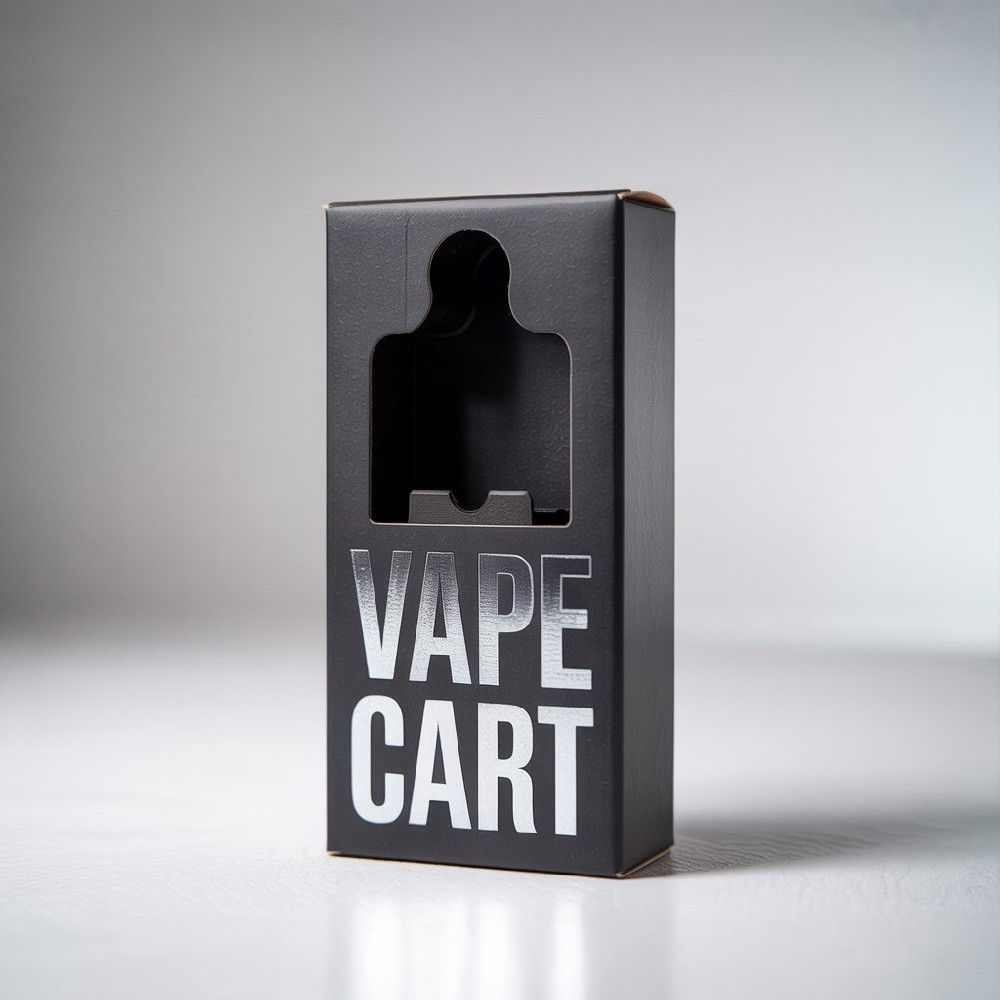
Retail packaging is a protection and presentation layer. It can keep a cartridge from rattling, protect exposed ends, support tamper evidence, provide required label space, and maintain a selected orientation. It cannot compensate for incompatible oil viscosity, a damaged reservoir, a poorly seated seal, incorrect filling, or an out-of-tolerance cartridge.
A cartridge manufacturer’s current technical guidance identifies formulation viscosity, intake design, airflow balance, seal condition, and unsuitable temperatures among the variables associated with leaks or clogs. That is why packaging investigation must include the filled hardware, not just the carton. See the manufacturer discussion on the CILICON 510 cartridge page.
First containment rule
If a cartridge is actively leaking, isolate it according to your quality and safety procedures. Do not wipe it clean, return it to saleable inventory, and treat the box as the solution. Preserve the cartridge, package, lot information, orientation, photographs, and receiving conditions for investigation.
Why Heat and Orientation Belong in the Test Plan
Warm conditions can change how some formulations flow and can expose weaknesses that remain hidden in a cool inspection room. Orientation determines where that fluid rests relative to the mouthpiece, air path, intake openings, and base seals. Vibration and impacts can add another stress while the cartridge is warm.
Do not copy a universal “safe temperature” from a consumer blog. Hardware, formulation, fill level, dwell time, and route differ. Build the screening conditions from logged temperatures in your warehouse, vehicle, receiving area, and retail storage—within the limits provided by the hardware and formulation suppliers. Compare upright, horizontal, and any orientation likely to occur in the real pack-out.
Map the complete route
- Time between filling and capping
- Post-fill settling or conditioning period
- Retail-package loading and closure
- Case orientation and pallet pattern
- Warehouse staging, local licensed transport, and receiving
- Retail backroom and display orientation
A box labeled “this side up” is not a control unless the insert, case, handling instructions, and receiving process actually preserve that orientation.
Diagnose the Leak Signature
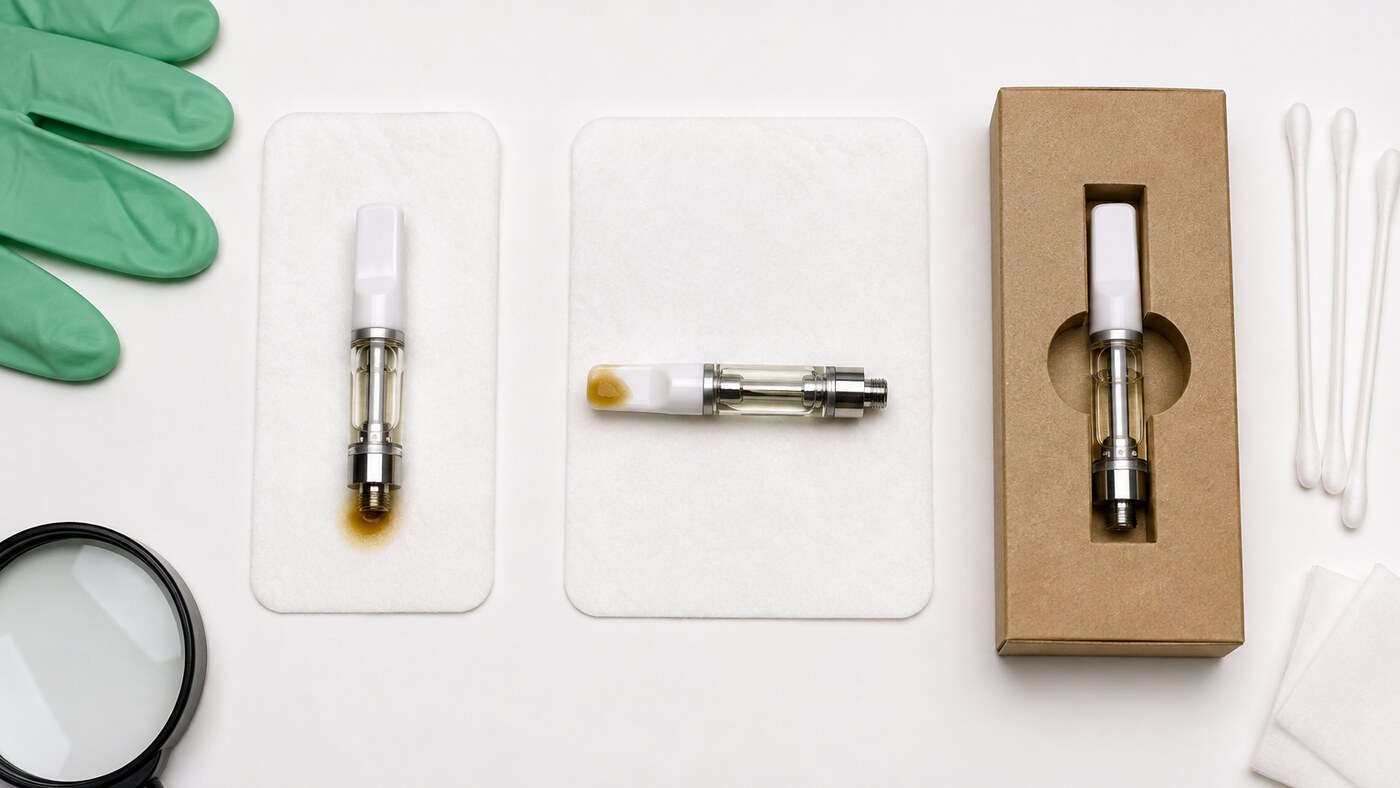
Open test packs in a fixed order and avoid rotating the cartridge before documenting it. Photograph the package exterior, insert, witness card, and cartridge. Record the first visible location of fluid rather than describing every stain as a general leak.
| Evidence | Possible source | Packaging check | Next owner |
|---|---|---|---|
| Fluid at threaded base | Base seal, reservoir, or fill/hardware interaction | Does the cavity press, bend, or strike the base? | Hardware and filling teams, with packaging evidence |
| Fluid at mouthpiece | Mouthpiece seal, airway migration, overfill, or orientation | Does the insert load the mouthpiece or hold the cart inverted? | Hardware, filling, and pack-out teams |
| Crack or wet line on reservoir | Impact, side load, material defect, or assembly damage | Check cutout edges, insertion force, rattle, and drop position | Packaging and hardware teams |
| Leak only in one cavity position | Insert tolerance or closure interference | Compare cavity dimensions and pressure marks | Packaging supplier and QC |
| Leak across one hardware lot | Lot-level hardware, formulation, or filling variable | Confirm packaging lots and positions are mixed | Quality investigation owner |
Design the Insert Around the Cartridge
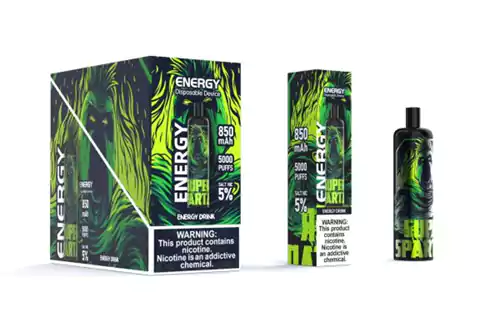
Obtain a controlled drawing and several physical samples from each production lot. Measure overall length, maximum diameter, mouthpiece shape, reservoir diameter, thread or base geometry, and any fragile interface. Proprietary carts and disposable devices require their own cavities.
Insert acceptance checklist
- The cavity controls movement without squeezing the reservoir or seals.
- Retention occurs on structurally suitable areas identified by the hardware supplier.
- The mouthpiece and threaded base clear the end walls and closure path.
- The cartridge can be loaded and removed without twisting, bending, or tools.
- Paper dust, foam particles, adhesive, and rough cut edges do not contact sensitive openings.
- The intended orientation remains obvious after the retail box enters the master carton.
- Minimum and maximum cartridge tolerances both pass insertion, shake, and removal checks.
A snug-looking rendering is not a fit validation. Request a physical packaging sample, load actual filled controls, and inspect witness marks after conditioning.
Run a Warm-Storage Packaging Screen
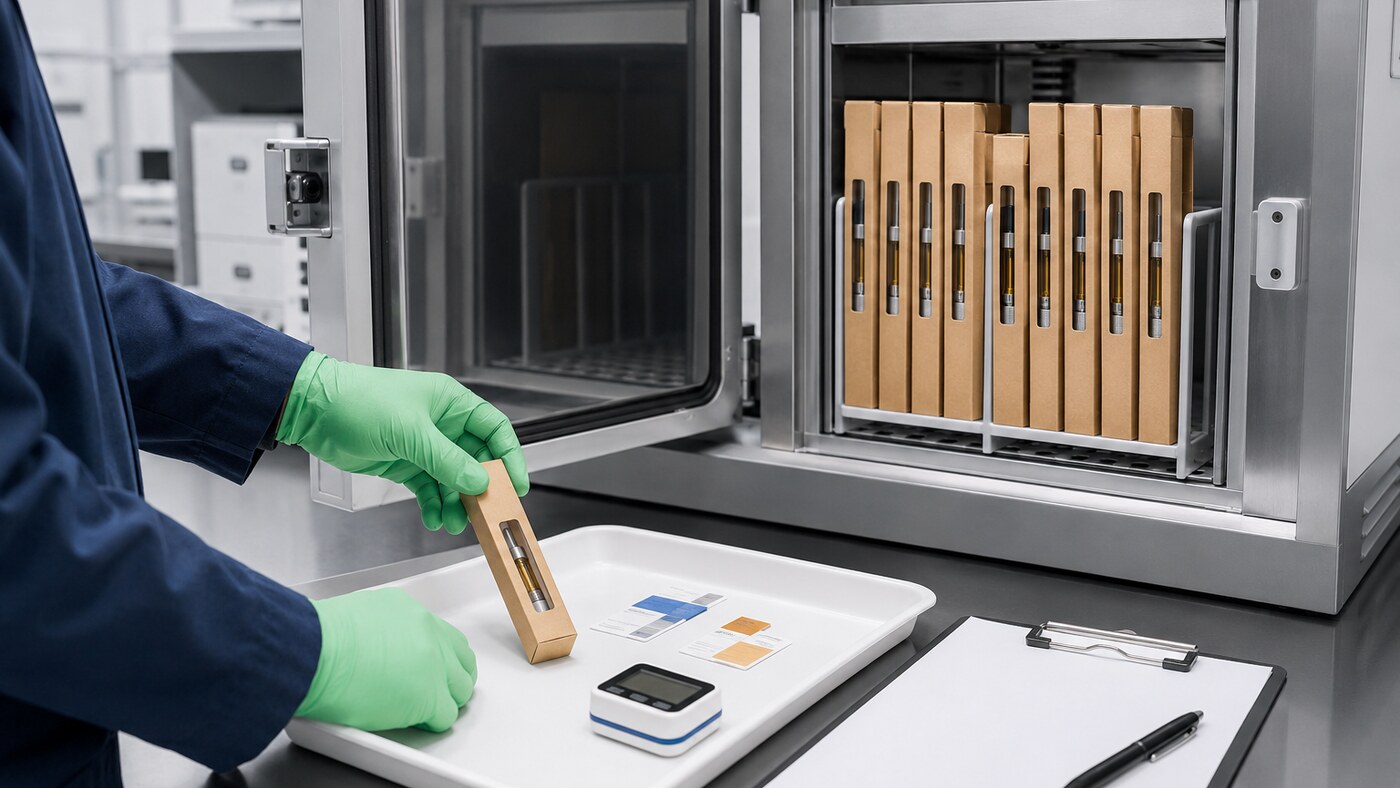
This practical screen is designed to find packaging contributors before a larger qualification program. It is not a certification test and should not override hardware-supplier limits or your quality plan.
Eight-step screening workflow
- Define failure: agree on visible leakage, mass change, staining, cracks, loose mouthpieces, and cosmetic-only observations.
- Select samples: include multiple hardware, fill, insert, and box lots plus untouched controls.
- Record baseline: photograph and weigh samples with suitable calibrated equipment; identify lot and cavity position.
- Add witnesses: place clean, compatible absorbent cards where a small leak can be detected without pressing on the cartridge.
- Pack normally: use production operators, intended inserts, closures, tamper evidence, and master cartons.
- Condition: expose upright and route-relevant orientations to documented warm conditions and duration.
- Add handling: where appropriate, apply a documented vibration and handling sequence to the complete case.
- Inspect blind: open packs in a fixed order, map leak location, compare with controls, and keep failed units for root-cause review.
California’s current Product Quality Plan guidance illustrates a useful control principle: identify process risks, preventive measures, monitoring methods, and actions to take when a measure fails. Apply that logic to the whole packaging step, even when your market uses a different regulatory framework.
Recommended Packaging Options to Sample
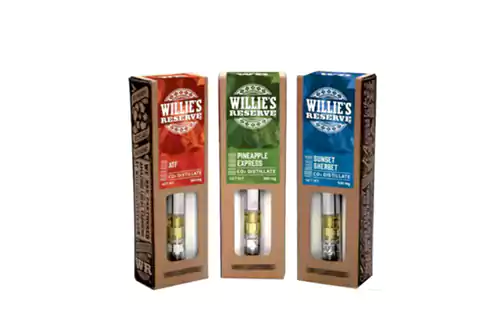
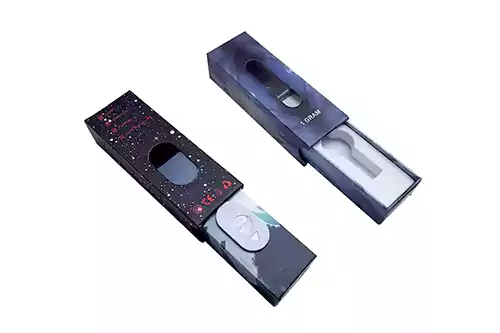
The following live 420 Packaging listings offer different drawer, insert, and child-resistant structures for physical evaluation. They are packaging candidates, not proof that a filled cartridge will not leak or that the final combination meets every market requirement.

Custom Paper Drawer Box for Vape Cartridges
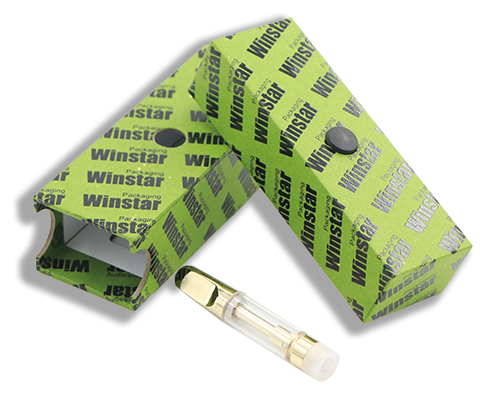
The current listing is designed around 0.5 mL and 1.0 mL 510-thread cartridges and uses a rigid sleeve-and-drawer structure. Insert options include CNC-cut EVA, molded paper pulp, a cardboard cradle, or a PET tray. The page lists a typical MOQ of 500–1,000 units, sample timing of about 5–7 days, and production timing of about 12–18 days after proof approval. Sample it when you need tight control over cavity geometry and retail presentation.
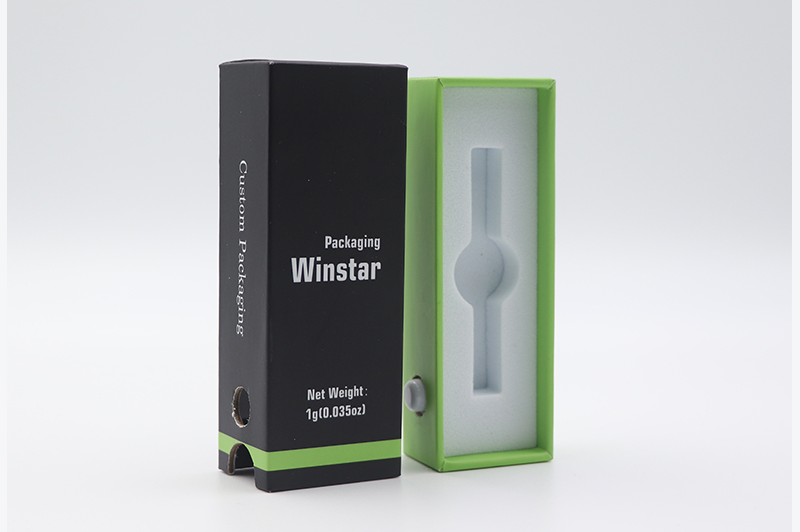
Disposable 1g Vape Cartridge Packaging with Child-Proof Function
The official page describes a paper drawer box with a side child-protection button and a customizable EVA tray for a 1 g cartridge. It lists custom dimensions and quantities from 1,000 to 500,000. Evaluate whether the EVA cutout supports the intended hardware surfaces, maintains orientation, and avoids pressure at the base and mouthpiece.
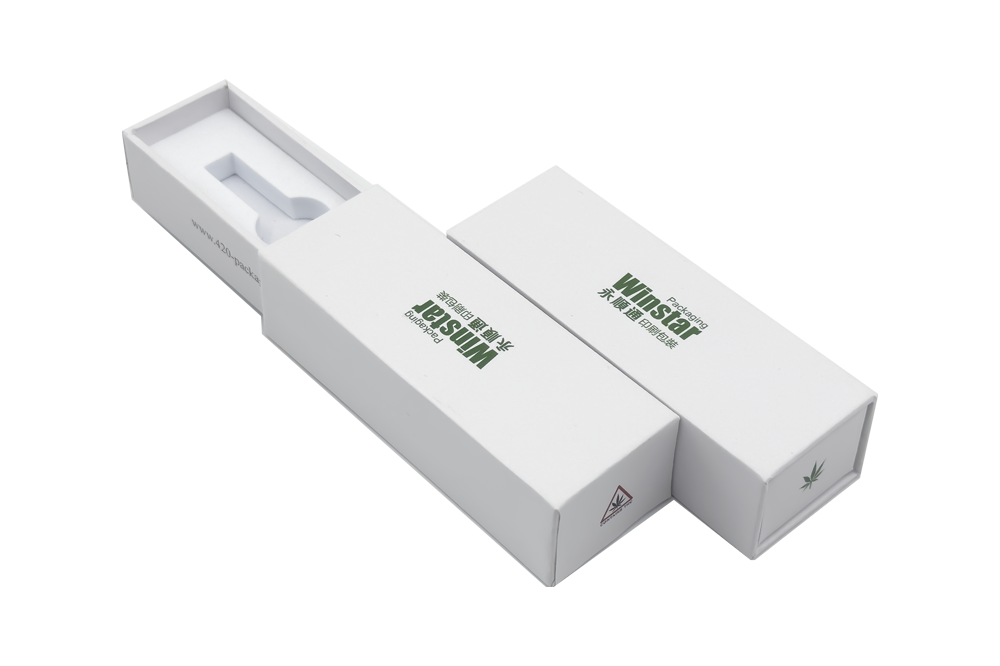
Child Resistant Vape Cartridge Boxes Child Proof Dab Cart Boxes
This live listing describes a locking paper box that opens by pressing a button and sliding the inner cartridge, with a minimum order quantity of 1,000. It is a relevant sample when the project calls for a compact locking drawer. Request documentation for the exact supplied configuration and verify that repeated operation does not shift the insert or load the cartridge.
Build a Summer Pack-Out SOP
- Release filled cartridges only after the documented post-fill and capping process is complete.
- Load every cartridge in the validated direction; use an orientation photo at the workstation.
- Reject inserts that are bowed, contaminated, poorly cut, or difficult to load.
- Never press on the reservoir, mouthpiece, or base to force a cartridge into place.
- Inspect the first units after startup, changeover, jam clearing, and component-lot changes.
- Keep witness samples from the hardware, fill, insert, carton, and finished pack lots.
- Control case orientation, quantity, partitions, tape, staging time, and vehicle exposure.
- Give receivers a simple quarantine process for wet cartons, odor, stains, or damaged cases.
Track actual conditions rather than relying on seasonal assumptions. A short exposure inside a parked vehicle can be different from a long warehouse dwell, and both can differ from retail storage.
Release, Correct, or Hold the Pack-Out
Set acceptance limits before seeing the data. Count affected cartridges and affected retail packs separately, because one leak can contaminate surrounding components. Compare warm, ambient, upright, and alternate-orientation groups against controls.
| Decision | Evidence pattern | Required action |
|---|---|---|
| Release | Predefined limits met; no unexplained cluster; packaging remains functional | Approve the exact documented configuration and retain records |
| Correct and retest | Issue follows cavity pressure, orientation, closure, or case handling | Change one controlled variable and repeat with new samples |
| Hold | Active leakage, crack, safety concern, unexplained lot pattern, or failed control | Quarantine affected inventory and complete root-cause review |
Keep Performance and Compliance Separate
Leak prevention is only one packaging function. State rules may also require child resistance, tamper evidence, specific labeling, batch identification, universal symbols, or disposal language. California currently lists vape cartridges among products eligible for single-use child-resistant packaging and places responsibility on the licensee that packaged the cannabis good. Review the California DCC child-resistant packaging guidance.
California also states that cannabis cartridge packaging must not imply the cartridge can be thrown in the trash or placed in recycling streams. See the current DCC cartridge packaging and labeling guidance. Requirements differ by jurisdiction; verify every target market and do not treat a supplier description as approval of the final filled package.
Questions for Packaging and Hardware Suppliers
- Which cartridge surfaces may safely carry retention force?
- What overall dimensions and tolerances apply to each hardware lot?
- Which formulation and fill-process variables affect leakage risk?
- What storage and handling limits should our test plan respect?
- Can the packaging insert be sampled around minimum and maximum hardware dimensions?
- How are cavity position, cut quality, dust, and adhesive controlled?
- Can upright orientation be maintained from retail pack through master carton?
- What evidence supports child-resistant or tamper-evident claims for the exact configuration?
- Which material, tooling, or supplier changes trigger notification and retesting?
For a wider sourcing review, use the site’s cannabis packaging supplier checklist alongside this leak-focused questionnaire.
Common Mistakes
- Blaming the carton first: many leak modes begin in hardware, formulation, filling, or capping.
- Testing only empty carts: they cannot reproduce fluid movement or filled mass.
- Using one temperature and one orientation: the real route may expose several combinations.
- Cleaning evidence before photographing it: this removes the source pattern.
- Making the cavity tighter: excessive retention can load a seal or crack a reservoir.
- Counting stained boxes instead of affected cartridges: secondary contamination distorts the failure rate.
- Changing hardware and packaging together: the retest cannot isolate the corrective action.
- Calling an in-house screen a certification: only claim the testing and evidence actually completed.
Frequently Asked Questions
Can packaging stop a vape cartridge from leaking?
Packaging can control orientation, movement, impact, and detection, but it cannot repair an incompatible formulation, damaged reservoir, weak seal, or incorrect filling process.
Should vape cartridges be packaged upright?
Upright packaging is a common risk-control starting point, but validate the orientation with the specific hardware and formulation supplier and test the real route.
Does summer heat cause cartridge leaks?
Unsuitable temperatures can contribute to leakage for some cartridge and formulation combinations. The outcome also depends on seals, viscosity, fill, duration, orientation, and handling.
How can a small leak be detected inside a box?
Use a clean compatible witness card positioned without pressing on the cartridge, then document staining, leak location, package condition, and any controlled mass change.
Should foam hold a cartridge tightly?
The insert should limit movement without squeezing the reservoir, base, mouthpiece, or seals. Confirm the safe retention surfaces with the hardware supplier.
What samples should be used for warm-storage testing?
Include multiple hardware, fill, insert, and carton lots, minimum and maximum component tolerances, different cavity positions, route-relevant orientations, and untouched controls.
Can a window carton make a cartridge hotter?
Exposure depends on the window material, display lighting, sunlight, pack color, and environment. Compare windowed and non-windowed production-intent samples under measured conditions.
When should cartridge packaging be retested?
Retest after changes to hardware, formulation, fill process, dimensions, insert, box, closure, case pack, supplier process, storage conditions, or distribution route.
Does child-resistant packaging guarantee leak prevention?
No. Child resistance and leakage control address different risks. Both need evidence for the exact filled-package configuration.
What information should accompany a packaging quote request?
Provide cartridge drawings and samples, tolerance ranges, fill capacity, orientation, target markets, insert preference, label space, tamper and child-resistant needs, case pack, and validation plan.
Choose the Next Packaging Step
Bring your cartridge drawing, physical samples, fill capacity, intended orientation, target markets, and summer distribution conditions. Compare insert materials and drawer structures with production-intent samples before ordering volume.