
Last updated: November 13, 2026
Vermont adult-use cannabis packaging intended for retail sale generally must be reusable and must not be plastic. The Vermont Cannabis Control Board currently states that plastic packaging is prohibited for retail adult-use cannabis and cannabis products except where a specific waiver applies; medical cannabis has separate exceptions. This rule affects more than bottles and pouches. A plastic lid, gasket, liner, push-button, window or other component can matter depending on the exact package and waiver. Cannabis products such as edibles, concentrates and tinctures must generally use child-resistant retail packaging, while cannabis flower and ordinary pre-rolls do not have the same child-resistant requirement and may instead use child-deterrent packaging. Many current CCB plastic-packaging waivers are scheduled to expire on October 1, 2027. Brands using a waived plastic component should therefore identify the waiver now, confirm that it covers the exact product type, and qualify a non-plastic fallback instead of assuming the waiver will automatically be renewed.
The Vermont CCB’s current compliant-packaging page shows numerous packaging waivers ending October 1, 2027. The Board also affirmed on February 25, 2026 that it would stop accepting new packaging-rule waiver applications until 2027. A waiver listed for one package or product category does not automatically authorize a similar package, another product type or another brand. Check the current CCB list before ordering packaging that contains plastic.
Most U.S. cannabis packaging decisions begin with one question:
“Is this package child-resistant?”
In Vermont, there is another question that can eliminate a package before child resistance is even discussed:
“Is it plastic?”
Vermont’s adult-use cannabis market takes a much stricter approach to retail plastic packaging than most states.
The current Cannabis Control Board guidance states that retail cannabis packaging must be:
- reusable; and
- non-plastic.
Temporary waivers exist for specific packages and specific component categories, but those exceptions need to be read carefully.
This creates an unusual sourcing problem.
A cannabis packaging format that works in California, Illinois or Massachusetts may not work unchanged in Vermont.
A child-resistant plastic jar may meet child-safety expectations but fail Vermont’s material rule.
A paper carton may look plastic-free but still contain:
- a PET window;
- foam insert;
- plastic locking button;
- plastic liner;
- film lamination.
A glass jar may still use a plastic cap.
A paper pouch may still contain plastic barrier layers.
That is why Vermont packaging review needs to happen at the component level.
What Is Vermont’s Cannabis Packaging Plastic Rule?
Vermont Cannabis Control Board Rule 2.2.9 states that packaging intended for consumer purchase at retail must be:
- reusable; and
- not plastic.
The CCB’s current product-registration guidance repeats the rule in practical terms: Vermont does not allow retail sales of adult-use cannabis or cannabis products in plastic packaging, subject to the approved waiver system and separate medical rules.
Vermont CCB — Product Registration Guidance
Vermont CCB — Approved Packaging Waivers & Plastic-Free Packaging Options
Vermont’s rule is broader than “avoid plastic bags”
The relevant question is the entire retail package.
Potential plastic components can include:
- pouches;
- bottles;
- jars;
- lids;
- gaskets;
- foam;
- trays;
- windows;
- buttons;
- liners;
- dropper components.
A package does not become compliant merely because most of its visible surface is paper, glass or metal.
Ask suppliers for a complete packaging BOM. “Paper box,” “glass jar” and “kraft pouch” are not enough. Identify every permanent component that reaches the consumer.
Which Packaging Does the Rule Apply To?
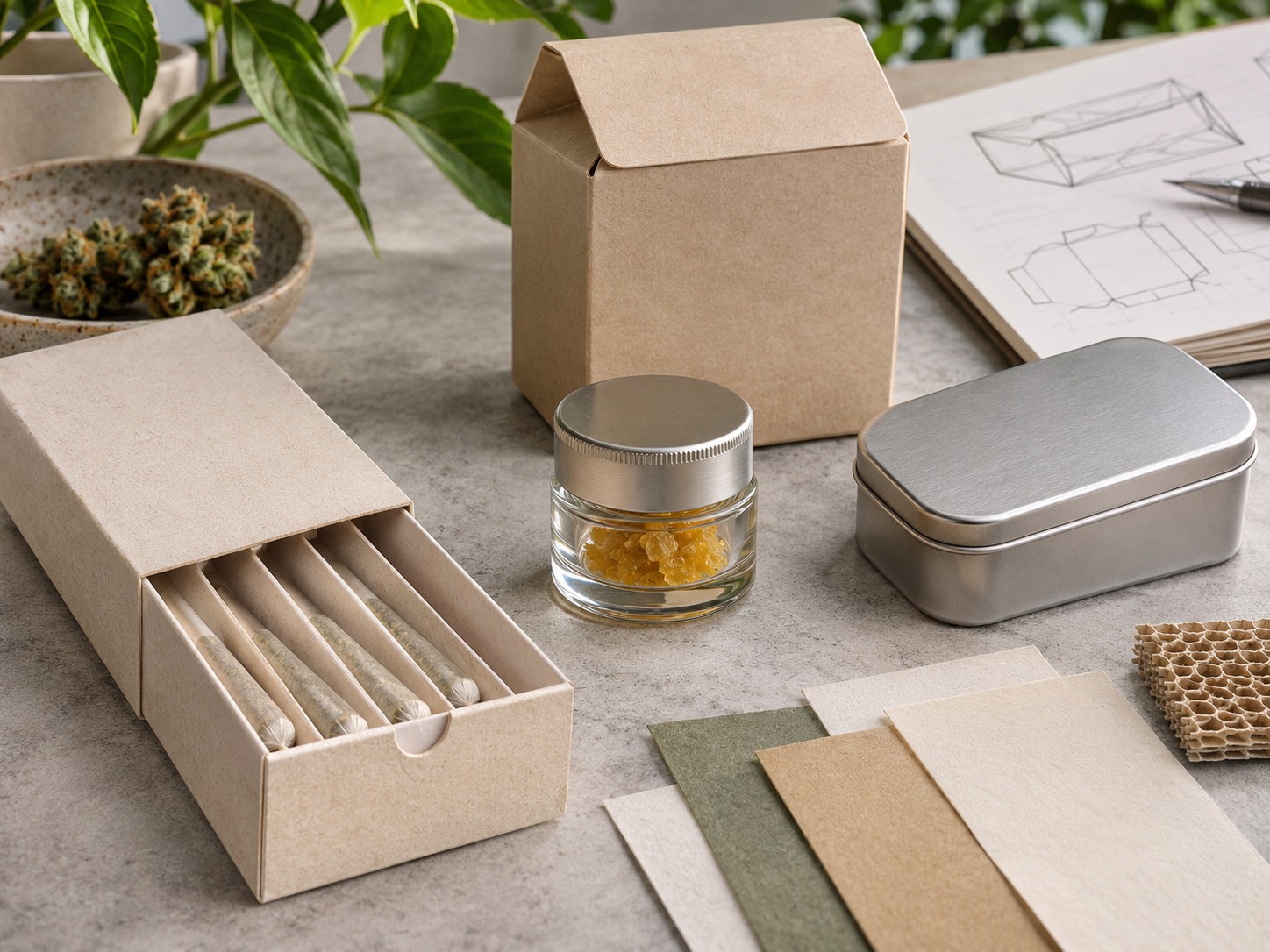
Rule 2.2.9 specifically addresses packaging intended for consumer purchase at a retail location.
This matters because cannabis moves through several packaging stages.
| Packaging Stage | Example | Key Vermont Question |
|---|---|---|
| Inter-licensee packaging | Bulk flower transferred between licensed businesses | Different requirements can apply before retail sale |
| Retail primary package | Jar containing flower | Must meet applicable retail material and product requirements |
| Retail secondary package | Paper carton around a concentrate jar | Include in the complete retail-package review |
| Insert / component | Foam tray inside a box | Does it introduce prohibited plastic? |
| Distribution carton | Corrugated shipper carrying 48 retail boxes | Different function from the consumer retail package |
Do not take a rule written for retail packaging and blindly apply it to every warehouse shipper.
At the same time, do not hide a plastic component inside a paper retail box and assume it is outside the review.
Does the Plastic Ban Apply to Medical Cannabis?
Vermont’s current product-registration guidance states that medical cannabis and medical cannabis products have exceptions to the adult-use packaging requirements.
That means a package that may be prohibited for adult-use retail could have a different status in the medical program.
Do not mix the two programs.
Packaging records should identify:
- adult-use SKU;
- medical SKU;
- product type;
- retail channel;
- packaging revision.
If one package serves both channels, confirm that the more restrictive configuration still works for both.
Cannabis Flower vs. Cannabis Products
Vermont makes an important distinction between cannabis and cannabis products.
That distinction affects child resistance.
The CCB currently explains that cannabis flower, trim and conventional pre-rolls are not required to use the same child-resistant packaging standard as manufactured cannabis products.
Manufactured products include categories such as:
- edibles;
- tinctures;
- concentrates;
- topicals;
- other processed cannabis products.
This distinction affects packaging design
A child-resistant plastic push-button might be necessary for one product configuration under a waiver, while the same plastic component may not be justified for flower.
The CCB has specifically clarified in past guidance that a plastic-lid waiver intended for child-resistant cannabis products could not automatically be used for cannabis flower simply because the same jar fit the lid.
Vermont CCB — Plastic Lids and Cannabis Flower Clarification
Which Vermont Cannabis Products Need Child-Resistant Packaging?
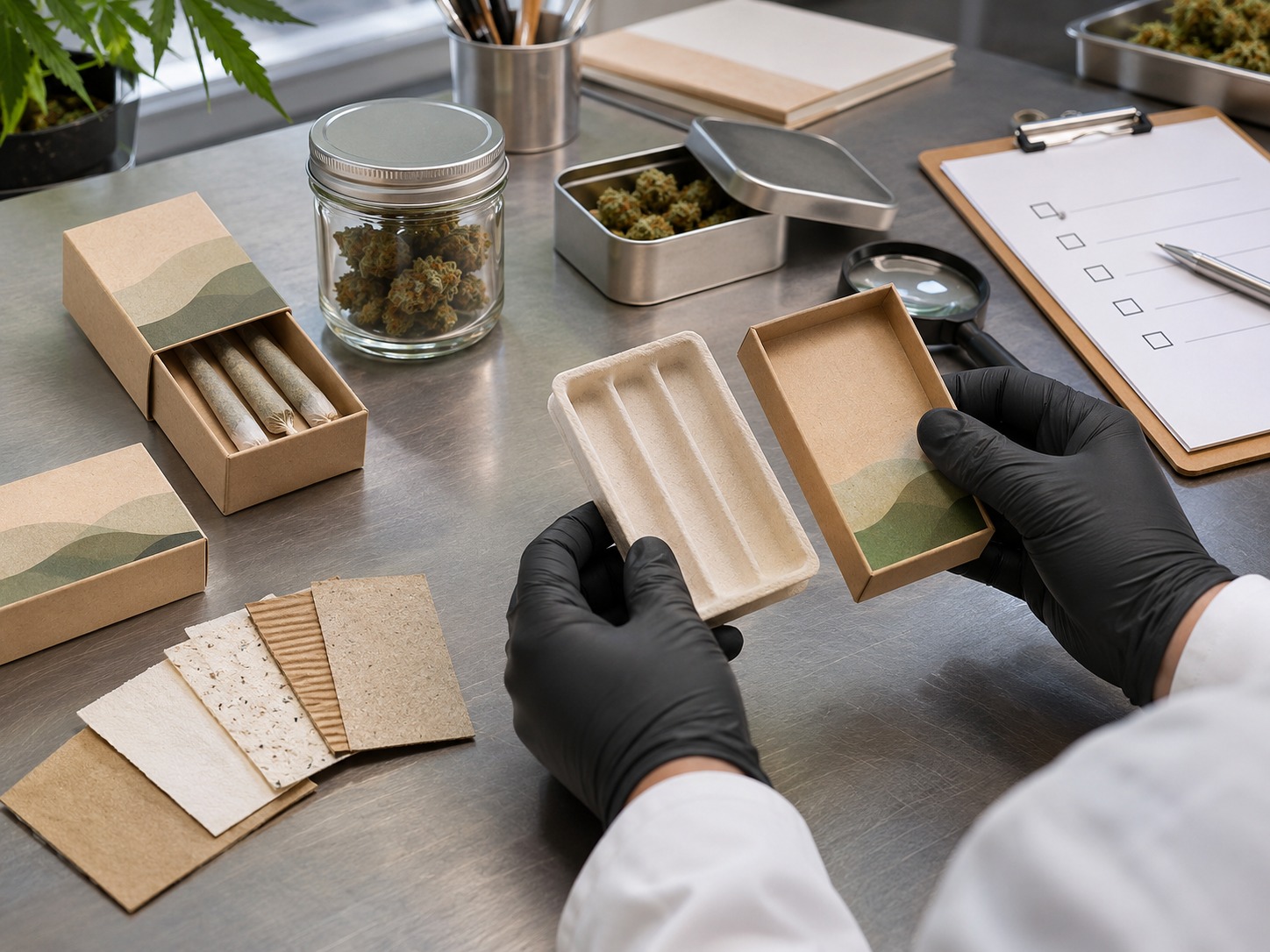
The CCB’s current product-registration guidance states that cannabis products such as edibles, tinctures and concentrates must use child-resistant retail packaging.
Flower and ordinary pre-rolls need not meet that same child-resistant standard.
| Product Type | General Vermont Retail Packaging Direction | Packaging Design Implication |
|---|---|---|
| Flower | Non-plastic; child-deterrent rather than full CR requirement | Paperboard, glass or metal options can be evaluated without adding unnecessary plastic CR hardware |
| Ordinary pre-rolls | Generally treated with flower for CR purposes | Paperboard pre-roll cartons can be strong candidates |
| Edibles | Child-resistant | Need a non-plastic CR structure or a currently valid approved waiver |
| Concentrates | Child-resistant | Glass/metal primary packaging plus compliant closure strategy |
| Tinctures | Child-resistant | Dropper and closure components require special attention |
| Other manufactured products | Child-resistant | Structure should be verified for the exact product category |
The package must also meet applicable opacity, labeling and product-registration requirements.
Do not reduce the Vermont review to material alone.
How Vermont Packaging Waivers Work
Vermont recognizes that certain cannabis products have historically depended on plastic components for:
- child resistance;
- seal integrity;
- liquid containment;
- product stability;
- specialized hardware.
The CCB therefore maintains a public list of approved packaging waivers.
There are two important types
Product-specific waivers
These identify a particular packaging brand or model and a defined approved product category.
Categorical waivers
These cover certain component types or uses for a limited period.
Examples currently listed by the CCB include temporary waivers for:
- certain PCR child-resistant pouches;
- specific child-resistant plastic caps;
- rubber or plastic gaskets on otherwise non-plastic containers;
- foam pressure-seal liners;
- certain plastic push-buttons used for child resistance;
- certain dropper bottle tops;
- specific cannabis-drink lids.
These waivers are not interchangeable.
If the waiver page names a specific pouch, lid or packaging model, using a different supplier’s similar-looking item does not automatically put that item under the same waiver. Verify the exact listed package and approved product category.
Why October 1, 2027 Matters
The current CCB compliant-packaging page shows a large number of temporary packaging waivers scheduled through October 1, 2027.
That date should already be in the procurement calendar for brands using:
- plastic CR pouches;
- plastic caps;
- foam liners;
- plastic CR buttons;
- rubber/plastic gaskets;
- other listed temporary components.
Do not wait until September 2027
A packaging transition can require:
- new structural concept;
- supplier sampling;
- child-resistant validation;
- product fit testing;
- barrier testing;
- label redesign;
- CCB product registration updates;
- bulk production;
- inventory phase-out.
A seemingly simple lid change can affect the entire package.
A practical transition timeline
| Timing Before Waiver Expiration | Recommended Action |
|---|---|
| 9–12 months | Identify all SKUs dependent on temporary plastic waivers |
| 6–9 months | Source and prototype non-plastic alternatives |
| 4–6 months | Complete CR, fit, leak, shelf-life and labeling review |
| 3–4 months | Finalize product-registration updates and bulk order |
| 1–3 months | Phase out waiver-dependent inventory and verify new lots |
This timeline is operational guidance, not a Vermont statutory deadline.
Complex CR packages may need more time.
What “Plastic-Free” Actually Means
One of the biggest Vermont packaging mistakes is describing a package by the material consumers see first.
A package can look like paper and still contain plastic.
Examples
| Package Description | Hidden Plastic to Check |
|---|---|
| Kraft paper pouch | Plastic barrier and sealant layers |
| Paperboard pre-roll box | PET window, laminate film, foam insert, CR button |
| Glass flower jar | Plastic lid, gasket, liner |
| Metal tin | Plastic tray, gasket or liner |
| Paper rigid gift box | EVA foam, magnets with plastic housings, film lamination |
| Paper tube | Plastic end caps or internal liner |
Vermont’s public packaging guidance specifically warns that some products advertised as plant-based plastic are still not compliant with the plastic prohibition.
“Bioplastic,” “compostable plastic” and “plant-based polymer” should not automatically be interpreted as non-plastic under CCB rules.
Paperboard Cannabis Packaging
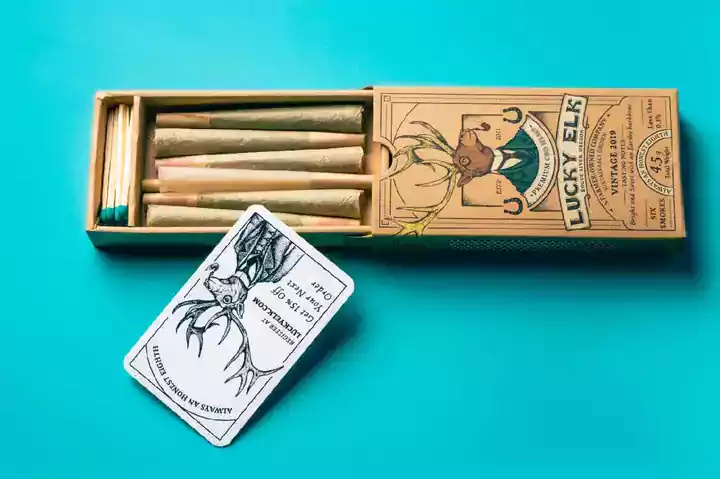
Paperboard is one of the most practical material directions for Vermont flower and pre-roll projects.
It can provide:
- large print area;
- light weight;
- custom sizing;
- structural locking;
- multi-pack dividers;
- tamper-evident design opportunities.
But paperboard needs a component audit
Check:
- film lamination;
- plastic windows;
- foam inserts;
- plastic locks;
- plastic trays.
For Vermont-oriented projects, tell the supplier upfront:
“No plastic components unless separately reviewed against a current Vermont waiver.”
That is much more useful than saying:
“Make it eco-friendly.”
Glass Jars and Bottles
Glass is specifically listed by the CCB as one of the reusable non-plastic material directions available to cannabis businesses.
It can work well for:
- flower;
- concentrates;
- some edibles;
- other products where the closure system can satisfy the rules.
The jar is usually not the difficult part
The closure is.
A glass jar might use:
- plastic screw cap;
- plastic CR cap;
- foam liner;
- rubber gasket.
Those components need separate Vermont review.
The CCB currently lists temporary categorical waivers for certain gaskets and foam pressure-seal liners, and separate waivers for specified plastic CR lids.
Metal lids can sometimes simplify the design
The CCB has previously pointed licensees toward metal lids as alternatives to plastic lids for compatible glass containers.
Vermont CCB — Compliant Lids for Certain Glass Jars
Metal Tins, Tubes and Lids
Metal is another material category the CCB identifies as a non-plastic packaging option.
Potential uses include:
- pre-roll tins;
- flower containers;
- concentrate tins;
- metal jar lids;
- reusable multipack containers.
Check the full structure
A metal tin can still include:
- plastic insert;
- foam pad;
- plastic gasket;
- plastic viewing window.
The outer shell material alone does not determine the final result.
Are Cannabis Pouches Allowed?
Most conventional flexible cannabis pouches are plastic or contain plastic layers.
That makes them a problem for Vermont adult-use retail unless a current waiver applies.
The CCB currently lists several specific PCR child-resistant pouches under temporary waivers ending October 1, 2027.
Those approvals are product-specific.
A kraft appearance does not prove the pouch is paper-only
Flexible pouches often use layered structures because paper alone generally cannot provide the:
- heat seal;
- odor barrier;
- moisture barrier;
- puncture resistance;
- zipper function.
needed for cannabis.
Always request the full laminate.
Do not infer compliance from “compostable”
The current CCB waiver list shows that some compostable pouch products have received waivers while others have previously been denied.
That demonstrates why marketing descriptions are insufficient.
Use the official CCB list.
Plastic Windows and Display Features
A clear viewing window is a common feature on:
- pre-roll cartons;
- vape boxes;
- edible cartons;
- display packaging.
For Vermont, the window can turn an otherwise paperboard package into a mixed-material package containing plastic.
Ask whether the window is necessary
If the product can be identified through:
- illustration;
- product photography;
- strain information;
- color coding;
removing the window may simplify Vermont packaging.
Do not add a plastic window to a Vermont-specific paper package only because the national SKU uses one.
Liners, Gaskets and Closures
Small components are where Vermont packaging reviews often become difficult.
A package may be 98% glass and metal by visible area and still depend on one small plastic seal.
Current CCB waiver categories include examples such as:
- rubber or plastic gaskets;
- foam pressure-seal liners;
- plastic or rubber dropper tops;
- certain child-resistant push-buttons;
- certain plastic tops for specified product uses.
Most of those currently listed categorical waivers run through October 1, 2027.
Keep each component connected to its waiver
Your packaging specification should record:
- component name;
- manufacturer;
- model or size;
- product category;
- waiver source;
- waiver end date.
A note saying “plastic cap approved in Vermont” is not sufficient.
Vermont Pre-Roll Packaging
Ordinary cannabis pre-rolls are one of the easier categories for plastic reduction because the CCB does not require them to use the same child-resistant packaging standard as manufactured cannabis products.
This opens the door to more paper-based structures.
Useful options to evaluate include:
- folding paper cartons;
- paper drawer boxes;
- paper tubes with non-plastic end structures;
- metal tins;
- reusable glass containers.
Do not over-engineer flower packaging
If a full plastic CR mechanism is not legally required for the specific flower or pre-roll SKU, adding one can create a Vermont material problem that did not need to exist.
420 Packaging: Child-Resistant Kraft Paper Pre-Roll Packaging Box
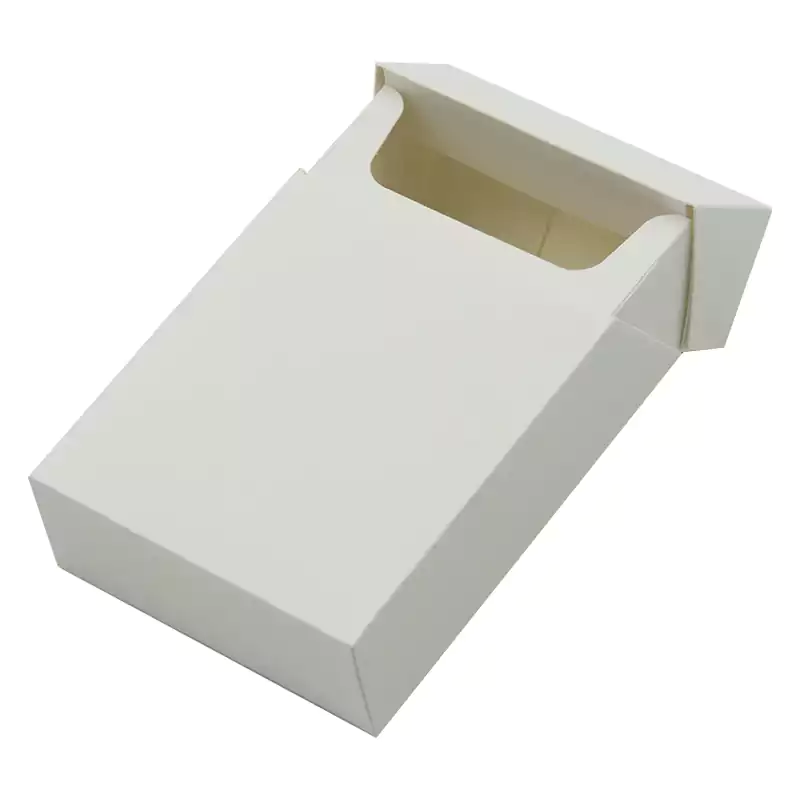
420 Packaging’s current kraft pre-roll format uses an outer paperboard sleeve, inner sliding tray and push-and-slide locking structure. The product page states that the locking function is created without plastic parts.
That makes the structure worth evaluating for brands trying to build paper-based pre-roll packaging.
However, Vermont approval should still be based on the exact production build.
Before ordering, confirm:
- paperboard structure;
- insert material;
- surface finish;
- absence of plastic windows;
- absence of film lamination if relevant to the Vermont review;
- label and tamper components;
- product-registration requirements.
A supplier describing a package as “child-resistant” or “plastic-free” does not by itself make the finished Vermont SKU compliant. The licensed business remains responsible for confirming the current CCB requirements and registering the product correctly.
Concentrate Packaging
Concentrates are more complex because they are cannabis products and generally need child-resistant packaging.
Common concentrate packaging includes:
- glass jar;
- CR cap;
- liner;
- paper carton;
- protective insert.
In Vermont, each of those components matters.
A practical design route
One possible concept to evaluate is:
glass primary jar + Vermont-compatible closure + paperboard secondary carton + paperboard insert.
Compare that against a conventional:
plastic jar + plastic CR cap + EVA insert.
The first structure may reduce dependence on plastic waivers, but the closure system still needs to satisfy current Vermont requirements.
420 Packaging: Custom Concentrate Packaging for Glass Jars
420 Packaging offers customizable paper cartons designed around concentrate glass jars, with custom sizes, printing and finishes.
For Vermont projects, the outer carton can be developed as a paper-based secondary package while the brand separately qualifies the primary glass jar and closure.
Avoid unnecessary plastic inserts or windows unless they have a current legal basis for the SKU.
Edible Packaging
Edibles are among the hardest Vermont packaging categories because the package must balance:
- child resistance;
- food-contact requirements;
- tamper evidence;
- moisture protection;
- oil or grease resistance;
- plastic restrictions.
Do not assume a paper carton solves the problem
If gummies are packed in a plastic pouch and then placed inside a paper carton, the retail package still contains the plastic pouch.
The primary package matters.
For edible development, start with the food-contact layer
Ask:
- What material actually touches the edible?
- Does the package need a current plastic waiver?
- Can a non-plastic CR structure meet food-contact and barrier needs?
- Does the product need resealability?
- Will the alternative survive heat and storage?
This is a technical packaging-development project, not simply a substrate substitution.
Tincture Packaging
Tinctures present a similar challenge because traditional dropper systems frequently contain plastic or rubber components.
The CCB currently lists temporary categorical waivers for certain plastic or rubber dropper bottle tops.
That does not mean every dropper system is automatically approved.
Document the exact assembly
Record:
- bottle material;
- dropper bulb material;
- cap material;
- pipette material;
- liner or gasket;
- outer carton.
A glass bottle alone is not enough information.
Vape Packaging
Vape products can involve two different issues:
- the cannabis hardware itself; and
- the retail package around it.
The CCB currently lists a categorical waiver for glass or ceramic vaporizer cartridges through October 1, 2027.
The outer retail package still needs separate review.
Paperboard can be useful for the secondary carton, but avoid:
- PET windows;
- plastic trays;
- foam inserts.
unless their status has been verified.
Reusable Cannabis Packaging Programs
Vermont’s rule does not only say “non-plastic.”
It also uses the word reusable.
The CCB has separate sanitation guidance for cannabis packaging reuse programs.
Returned containers may be cleaned and reused under controlled procedures when program requirements are met.
Vermont CCB — Guidance Documents
The current sanitation guidance addresses:
- returned package inspection;
- visible residue and damage;
- washing;
- rinsing;
- sanitizing;
- drying;
- reuse and exchange programs.
The guidance specifically notes that a returned container should be designed and constructed for reuse.
Reusable is a design requirement, not a marketing word
A package intended for reuse should tolerate:
- opening cycles;
- cleaning;
- sanitation;
- handling;
- repeated closure.
A fragile decorative carton that is technically non-plastic but falls apart after one use may not support a serious reuse strategy.
How to Decide Between Paperboard, Glass and Metal
| Material Direction | Strengths | Main Vermont Design Questions |
|---|---|---|
| Paperboard | Lightweight, printable, customizable | Any plastic lamination, insert, window or lock? |
| Glass | Reusable, strong barrier, premium feel | What material is the cap, liner and gasket? |
| Metal | Reusable, opaque, durable | Does closure or internal liner contain plastic? |
| Wood / bamboo | Reusable and distinctive | Closure, liner, coating and product suitability? |
| Flexible pouch | Lightweight and good barrier potential | Most structures contain plastic; is a current waiver applicable? |
No single material is best for every cannabis product.
The package must solve both:
- Vermont material rules; and
- product-performance requirements.
A 12-Step Vermont Packaging Approval Workflow
Step 1: Confirm the sales channel
Adult-use or medical?
Do not proceed until this is clear.
Step 2: Classify the product
Identify whether the SKU is:
- flower;
- ordinary pre-roll;
- infused pre-roll;
- concentrate;
- edible;
- tincture;
- topical;
- vape product.
Step 3: Determine the CR requirement
Do not apply a manufactured-product CR structure to flower automatically.
Step 4: Disassemble the full retail package
Create a component list.
Step 5: Mark every plastic or rubber component
Include very small parts.
Step 6: Search the current CCB waiver list
Match:
- supplier;
- model;
- component;
- product category;
- waiver expiration.
Step 7: Eliminate unnecessary plastic
Remove components that do not provide a necessary function.
Step 8: Prototype a non-plastic configuration
Evaluate:
- paperboard;
- glass;
- metal;
- other CCB-compatible reusable materials.
Step 9: Test product performance
Check:
- closure;
- barrier;
- leakage;
- odor;
- crush;
- label fit;
- transport.
Step 10: Complete required product-registration work
Vermont requires cannabis and cannabis products to be registered before retail sale.
Step 11: Lock the packaging BOM
Require approval before component substitutions.
Step 12: Track waiver expiration dates
Do not let an expired waiver remain buried inside an old packaging specification.
Build a Waiver Dependency Register
Brands with multiple Vermont SKUs should maintain a simple register.
| SKU | Plastic Component | Waiver | Expires | Replacement Status |
|---|---|---|---|---|
| Example concentrate SKU | CR lid | Specific approved lid/model | 10/1/2027 | Glass + metal alternative under test |
| Example tincture SKU | Dropper top | Categorical waiver | 10/1/2027 | Supplier search started |
| Example edible SKU | CR pouch | Specific approved pouch | 10/1/2027 | Paper/metal CR concept in sampling |
This table should use the company’s actual SKU data and official waiver references.
Do not copy the example rows directly into a compliance file.
What to Ask Your Packaging Supplier
For Vermont projects, a generic packaging RFQ is not enough.
Ask:
- What is the complete package material structure?
- Does the package contain any plastic or rubber component?
- Is the paperboard film laminated?
- Is the window plastic?
- What material is the insert?
- What material is the locking mechanism?
- What material is the cap?
- What material is the liner or gasket?
- Can the same structure be made without plastic?
- Can EVA be replaced with paperboard?
- Can a PET window be eliminated?
- Can film lamination be replaced with a non-film finish?
- Is the final package designed for repeated use?
- Can you provide a production-intent sample?
- Will any material substitution require written approval?
Tell the supplier the state at RFQ stage
Do not request:
“a compliant cannabis box.”
Request:
“a Vermont adult-use retail packaging concept for [specific product type], with no plastic components unless we separately approve a current Vermont waiver.”
That is a much more actionable specification.
420 Packaging Formats to Evaluate
Child-Resistant Kraft Paper Pre-Roll Packaging Box
This paperboard slide-out structure is one of the clearest 420 Packaging options for a low-plastic pre-roll project. The current product specification describes a kraft paperboard outer sleeve, nested inner tray and locking tab without plastic parts.
For Vermont, request a simplified production version that avoids:
- plastic window film;
- EVA insert;
- plastic lamination;
- plastic locking hardware.
Confirm the actual delivered construction before treating it as a Vermont candidate.
Child Resistant Pre Roll Paper Box
420 Packaging also offers handmade paper flip-top pre-roll boxes with customizable printing and capacity.
The current page lists optional finishes including:
- varnish;
- UV;
- embossing;
- debossing;
- hot stamping;
- film lamination.
For Vermont, the important step is to specify which options are actually used.
A paper box with plastic film lamination should not automatically be treated the same as an unlaminated all-paper structure.
Custom Paper Packaging for Glass Concentrate Jars
For concentrates, a paper outer carton can be paired with a separately sourced glass primary jar and Vermont-appropriate closure.
420 Packaging’s concentrate cartons support:
- custom dimensions;
- CMYK and Pantone printing;
- foil;
- embossing;
- custom finishing.
For Vermont-oriented builds, request paperboard inserts instead of foam where possible and review surface finishes for plastic content.
Glass Jar Outer Packaging
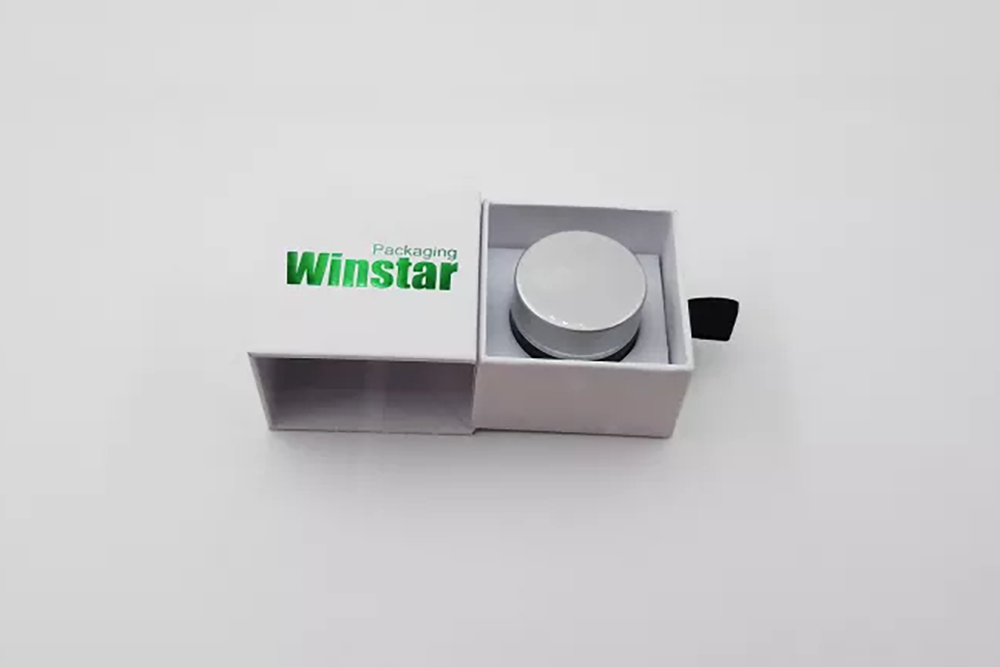
420 Packaging offers custom rigid, drawer, folding and lid-off paper packaging designed around glass jars.
This is useful when the brand wants a non-plastic outer retail structure while sourcing the primary glass jar and closure separately.
The final Vermont review still needs to include the actual jar cap, liner, insert and secondary finish.
How This Article Avoids Keyword Cannibalization
| Existing / Related Topic | Primary Search Intent | This Page’s Separate Intent |
|---|---|---|
| Sustainable Cannabis Packaging | General environmental material selection | Vermont-specific plastic prohibition and waiver compliance |
| California SB 54 | California EPR, reporting and source reduction | Vermont retail material prohibition |
| California SB 343 | Recyclability labels and claims | Whether plastic packaging itself may be used |
| Accessible Child-Resistant Packaging | Adult usability of CR structures | Vermont product-specific CR plus plastic restrictions |
| Exit Bags vs. Primary Packaging | Retail handoff packaging roles | Vermont retail packaging materials |
| Pre-Roll Packaging Category | Commercial buying intent | Informational state-law compliance intent |
The primary keyword for this article should remain:
Vermont cannabis packaging plastic ban
with supporting terms such as:
- Vermont cannabis packaging;
- plastic-free cannabis packaging Vermont;
- Vermont cannabis packaging 2027;
- Vermont packaging waiver;
- Vermont cannabis packaging law.
Do not retarget this article around the broad commercial keyword:
because that intent belongs to the existing product category.
Vermont Cannabis Packaging Checklist
| Check | Approval Question |
|---|---|
| Market | Is this an adult-use Vermont SKU or medical SKU? |
| Product type | Flower, pre-roll, edible, concentrate, tincture, vape or other? |
| CR requirement | Does the exact product require child-resistant packaging? |
| Retail package | Is the package intended for consumer purchase? |
| Plastic audit | Does any component contain plastic? |
| Pouch | Is it actually paper-only or a multilayer plastic laminate? |
| Window | Is any clear window made from plastic? |
| Insert | Paperboard, pulp, foam or thermoformed plastic? |
| Closure | Metal, paper, plastic, rubber or mixed? |
| Liner | Does the cap contain a foam or plastic liner? |
| Gasket | Does a current waiver cover the exact use? |
| CR button | Does the exact product category qualify for a current waiver? |
| Waiver identity | Is the exact brand/model/component listed? |
| Waiver date | When does the waiver expire? |
| 2027 alternative | Has a non-plastic backup been qualified? |
| Reuse | Can the package realistically support reuse? |
| Sanitation | If reused, is there an appropriate cleaning process? |
| Product registration | Has the final packaging configuration been reflected in Vermont registration? |
| Supplier changes | Will any material substitution trigger review? |
| Retained sample | Is a production version retained with the packaging specification? |
Vermont Cannabis Control Board — Product Registration
Vermont Cannabis Control Board — Compliant Packaging Options & Waivers
Vermont Cannabis Control Board — Laws, Rules & Regulations
Vermont Cannabis Control Board — Current Guidance Documents
Start with the product type and material BOM instead of trying to adapt a generic national cannabis package after production. Send the product dimensions, pack count, adult-use market, required child-resistant function, preferred material and any current waiver-dependent components with the RFQ. 420 Packaging can develop paperboard pre-roll boxes, concentrate cartons, glass-jar outer packaging and custom inserts with reduced plastic content. Final Vermont compliance, product registration and waiver applicability should be confirmed with the Vermont Cannabis Control Board for the exact retail configuration.
Frequently Asked Questions
1. Does Vermont ban plastic cannabis packaging?
For adult-use retail cannabis and cannabis products, Vermont’s current CCB guidance states that retail packaging must not be plastic, subject to approved waivers and separate medical-program exceptions. Always check the current CCB rules and waiver list for the exact SKU.
2. Does Vermont require cannabis packaging to be reusable?
Yes. CCB Rule 2.2.9 states that packaging intended for consumer purchase at retail shall be reusable and shall not be plastic.
3. Are medical cannabis packages also banned from using plastic in Vermont?
The CCB states that medical cannabis and medical cannabis products have exceptions to the adult-use requirements. Do not assume an adult-use and medical package have identical material rules.
4. Does cannabis flower need child-resistant packaging in Vermont?
Vermont CCB guidance states that cannabis flower, trim and ordinary pre-rolls do not need the same child-resistant packaging required for manufactured cannabis products. Their packaging must still meet the applicable child-deterrent and other retail requirements.
5. Do cannabis edibles need child-resistant packaging in Vermont?
Yes. Cannabis products such as edibles are generally required to be in opaque, child-resistant packaging for retail sale under current Vermont guidance.
6. Can I use a plastic child-resistant pouch in Vermont?
Only if the exact package and use fall under a current approved waiver or other applicable exception. The CCB currently lists several product-specific PCR child-resistant pouches with waivers through October 1, 2027. Similar-looking pouches are not automatically covered.
7. When do Vermont’s current packaging waivers expire?
Many of the current product-specific and categorical plastic-packaging waivers listed by the Vermont CCB are scheduled to end October 1, 2027. Check each waiver individually because the list can change.
8. Can a kraft pouch be used for Vermont cannabis flower?
Do not assume so. Many kraft-looking stand-up pouches contain plastic barrier and sealant layers. Some specific pouch products have received Vermont waivers while others have been denied. Verify the exact construction and current waiver status.
9. Are compostable plastic cannabis packages allowed in Vermont?
“Compostable” does not automatically mean compliant. Vermont’s current CCB guidance warns that some plant-based plastic packaging is not compliant with the plastic rule. Certain specific compostable packages may appear under temporary waivers, so verify the exact product.
10. Can I use a glass jar with a plastic lid?
The glass jar itself may fit Vermont’s non-plastic material direction, but the plastic lid needs separate review. Some specific child-resistant plastic lids are currently covered by temporary waivers, while metal lids can be an alternative for certain jar formats.
11. Is a plastic window allowed in a paper cannabis box?
Do not assume it is. The window introduces a plastic component into the retail package. For a Vermont-specific paperboard design, eliminating the plastic window is usually the simpler compliance direction unless a specific legal basis exists.
12. Are plastic foam inserts allowed in Vermont cannabis boxes?
They should not be treated as automatically compliant. EVA and other foams are plastic packaging components. A paperboard or molded-fiber insert can be evaluated as an alternative when it provides adequate product protection.
13. What should brands do before October 2027?
Identify every Vermont SKU using a temporary plastic waiver, record the waiver and expiration date, develop a non-plastic alternative, complete required performance and child-resistant testing, update product registration where necessary and transition inventory before the waiver expires.
14. Does 420 Packaging guarantee Vermont compliance?
No packaging supplier should be treated as the final legal authority for a state cannabis program. 420 Packaging can manufacture and customize packaging structures and provide material specifications, but the licensed Vermont cannabis business should confirm the final package, product registration and any waiver with the Vermont Cannabis Control Board.