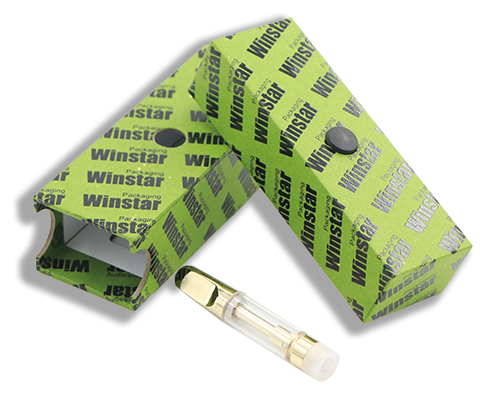

Practical guide
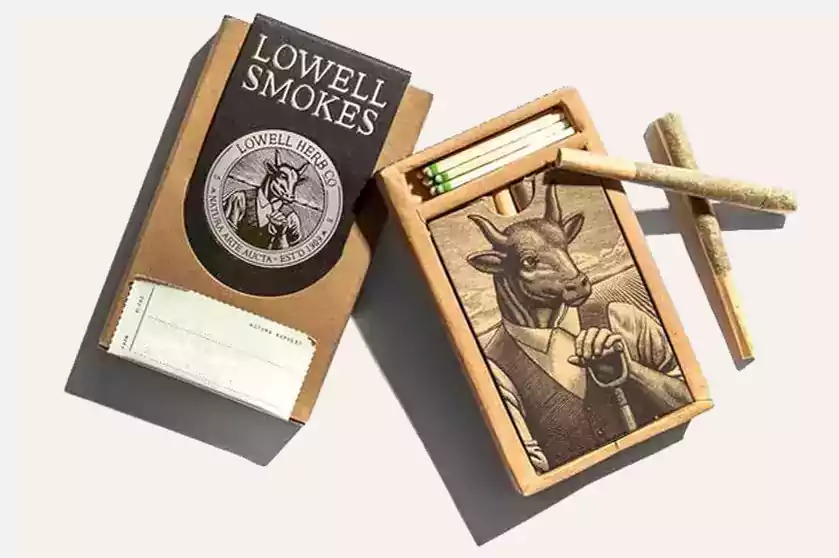
Some “with matches” boxes are designed with an independent match space and are often made from kraft paper. For example, one common format uses recycled kraft paper and a separate match compartment, with dimensions that can be customized (product page example). That combo can be convenient—but it also means you’re carrying an ignition source next to something that can dry out, crumble, or grow mold if stored wrong.
At-a-glance
Keep matches “cool + dry + protected”
-
Safety match SDS guidance commonly says: store in a cool, dry location, away from heat, sparks, and open flames (example SDS: Diamond safety matches).
-
Moisture is a frequent reason matches fail to light or crumble.
Watch heat spikes in parked cars
-
A well-known Pediatrics/Stanford-based vehicle study found the interior can rise dramatically—about 40°F within an hour on sunny days (Stanford summary).
-
Heat can dry out rolled items, soften adhesives, warp paperboard, and increase odor.
Separate compartments help, but don’t eliminate risk
-
An “independent match space” reduces rubbing against the rolled item—but you still need to check for crushed corners and exposed match heads (example format).
Child safety: treat matches like a locked-up item
-
CPSC home-safety guidance explicitly lists matches among items that should be kept from children’s access (CPSC childproofing guide).
Real-life meaning
A pre-roll + matches box is basically a compact “carry kit.” In everyday life, that raises three practical questions:
-
Ignition risk: Matches are designed to ignite from friction and heat. SDS guidance emphasizes keeping them away from heat/sparks/open flames and storing them dry (example SDS).
-
Moisture and mold: Rolled plant material can dry out, but too much humidity can support mold. EPA guidance for buildings notes that keeping relative humidity below 60% helps discourage mold growth (EPA mold guidance).
-
Fit and crush protection: If the rolled item is too long or too thick for the compartment, it gets compressed—leading to tears, canoeing, loose filters, or spilled contents.
What to verify on a “with matches” box
Important detail that’s easy to miss: Many packaging listings explicitly say the box is packaging only and does not include any filled item. That matters because you may need to confirm what is actually included in the match compartment (matches, striker, both, or neither) by reading the listing and any labels (example statement on a packaging listing).
Match compartment
-
Is there a striker surface? If yes, is it protected from scraping against pocket items?
-
Are match heads shielded so they can’t rub on the striker unintentionally?
-
Does the compartment close firmly (no “corner gaps”)?
Rolled-item compartment
-
Internal length and diameter (measure; don’t guess).
-
Crush resistance (paperboard strength varies; kraft paper can crease).
-
Odor and dryness control (airtight vs. breathable designs).
Table: parked-car heat reality check
A simple way to decide whether to leave a pre-roll + matches kit in a parked car: a Stanford/Pediatrics vehicle study found the interior temperature can rise by about 40°F within an hour on sunny days (source). This isn’t a precise forecast for every vehicle, but it’s a practical “sanity check.”
| Outside air (°F) | Rule-of-thumb interior after ~60 min sun (°F) | What it means for a pre-roll + matches kit | Quick action |
|---|---|---|---|
| 70 | ~110 | Paperboard can soften; rolled items can dry faster; odors increase | Move it indoors or into a cooler bag |
| 80 | ~120 | Higher dryness risk; adhesive labels can loosen; match striker can shed grit | Don’t store in the car—carry it with you |
| 90 | ~130 | Fast drying; higher chance of warped packaging; more noticeable odor | Re-home storage immediately |
| 100 | ~140 | Conditions become harsh for paper packaging; safety margin shrinks for any ignition source | Avoid car storage entirely |
Calculation example (you can do in 10 seconds)
If it’s 85°F outside on a sunny day, the rule-of-thumb estimate is: 85 + 40 = 125°F inside after about an hour
(based on the same Stanford/Pediatrics findings summarized here: source).
If that number makes you uneasy, trust the feeling—choose a cooler storage spot.
Table: common pre-roll lengths and fit math
Many rolled cones are sold in standardized lengths (in millimeters). You don’t need to memorize them—just measure your item and compare. Here are common examples from a cone size chart (length includes the tip/filter in those examples): cone size chart source. (Different brands can vary slightly, so treat these as typical reference points.)
| Common name | Typical length (mm) | Typical length (inches) | Fit tip for a box compartment |
|---|---|---|---|
| 1 1/4 | ~83–84 | ~3.27–3.31 |
Allow at least +0.25 in clearance so you’re not crushing the tip
|
| 98 | ~98 | ~3.86 | If the compartment is tight, choose a shorter format or remove bulky add-ons |
| King size | ~110 | ~4.33 |
Look for a compartment that’s at least 4.6 in internal length
|
| 115 | ~115 | ~4.53 | These often need “long” boxes; measure internal length carefully |
Fast fit math:
Internal compartment length should be your item length plus a little buffer. A practical buffer is 5–10 mm (about 0.2–0.4 in)
so you’re not compressing paper and filter.
Step-by-step: 5-minute safety + fit check
-
Empty-pocket shake test (10 seconds).
With the kit closed, gently shake it once. If you hear gritty scraping, the striker may be rubbing internally—reposition contents or stop carrying it loose with keys/coins. -
Corner-crush inspection (30 seconds).
Look for crushed corners, creases, or any spot where match heads could contact the striker surface. Paperboard can crease easily, especially kraft-style boxes. -
Match check: dry, intact, not shedding (60 seconds).
Matches are typically recommended to be stored cool and dry, away from ignition sources (example SDS: source). If match heads are powdery, cracked, or damp, treat them as unreliable—move to dry storage and replace. -
Fit check: tip and filter clearance (60 seconds).
Insert the rolled item and close the compartment. It should close without pressure. If you see a bend at the tip or a pushed-in filter, the compartment is too short or tight. -
Smell + moisture check (60 seconds).
A musty smell can signal moisture problems. Mold is strongly associated with excess moisture; EPA guidance advises keeping indoor RH below 60% to discourage mold growth (source). If anything smells musty or looks fuzzy/discolored, don’t store it—discard safely per local guidance. -
Child-safety reality check (20 seconds).
If children are in the home, treat matches like a locked-up item. CPSC childproofing guidance explicitly mentions keeping matches out of children’s access (source).
Troubleshooting: when matches won’t light
Match failures are usually about moisture, striker wear, or damaged heads. SDS guidance commonly emphasizes dry, cool storage away from ignition sources (example SDS).
| What you notice | Likely cause | What to do now | How to prevent next time |
|---|---|---|---|
| Head crumbles or looks chalky | Moisture exposure or impact damage | Move to dry storage; dispose of damaged matches | Keep compartment dry; avoid crushing in pockets |
| Scrape marks, but no ignition | Worn striker or wrong strike surface | Try a fresh striker surface; don’t force repeated hard strikes | Protect the striker area from friction and grit |
| Intermittent ignition | Partial dampness or inconsistent striker grit | Replace the match set; don’t keep “half-working” matches | Store cool/dry; avoid car heat swings |
| Strong sulfur smell inside box | Crushed heads or residue | Empty and clean out residue; replace contents | Use a box with a truly separated match space |
Safety note:
Even if matches do not “spontaneously ignite” under normal storage, mishandling can still start a fire. Example SDS language emphasizes keeping away from heat/sparks/open flames and storing properly (another safety matches SDS).
Common misconceptions
-
“If it’s closed, it’s safe in a car.” Not necessarily—vehicle interiors can heat rapidly on sunny days (source).
-
“Kraft paper boxes are automatically moisture-proof.” Kraft paper is paper—humidity still matters, and creases can create gaps.
-
“Child-resistant means childproof.” CPSC explicitly notes that child-resistant packaging is not fully childproof and still needs safe storage (source).
-
“Matches are harmless until struck.” They’re an ignition source; SDS guidance focuses on keeping them away from heat and ignition hazards (source).
Safety and standards
Child-resistant packaging: what it actually means
In U.S. federal language under the Poison Prevention Packaging framework, “special packaging” is designed to be significantly difficult for children under five to open within a reasonable time, while still being usable by adults. CPSC explains this in plain terms (CPSC PPPA guidance), and the definition also appears in federal regulations (16 CFR Part 1700).
For consumers, the practical takeaway is simple: if matches are present in the home, store them as if packaging could be opened eventually—because it often can be.
Match access and home safety
Public safety guidance commonly emphasizes keeping matches away from children’s reach and using locked or high storage. For example, Massachusetts public safety guidance warns that matches can be deadly in a child’s hands and should be stored out of reach, ideally locked (source).
Moisture control: avoiding mold signals
Mold risk increases with dampness and higher humidity. EPA guidance for homes recommends keeping indoor humidity below 60% (ideally 30–50%) to reduce mold likelihood (source). If you ever see fuzzy growth, unusual discoloration, or smell mustiness, treat it as a discard-and-clean situation.
FAQ
Does a separate match compartment reduce accidental ignition risk?
It can reduce rubbing, but crushed corners and striker contact are still possible—inspect routinely.
What’s the simplest safe-storage rule for matches?
Cool, dry, away from heat/sparks/open flames, and out of children’s reach (see SDS and CPSC guidance linked above).
How do I know if the rolled item compartment is too short?
If closing the lid bends the tip or pushes the filter inward, you’re compressing it—use a longer compartment or shorter format.
Is it okay to store this type of kit in a glove box?
Glove boxes still heat up. Use the parked-car temperature table as a quick “go/no-go” check.