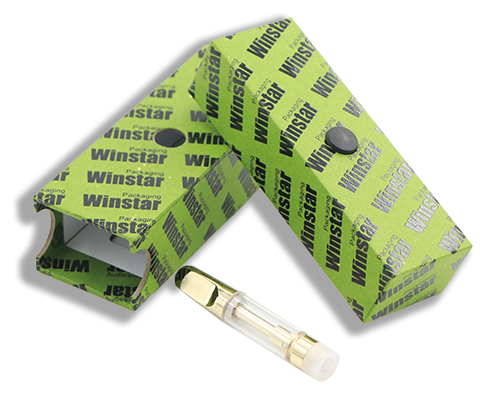

Pre-Roll Packaging Guide
If you are choosing packaging for pre-rolls, the finish is usually where the conversation starts—but it should not be where the decision starts. The better order is structure first, fit second, finish third. Once the box opens smoothly, protects the cones, and leaves enough room for required labeling, then finishes like matte, gloss, soft-touch, foil stamping, spot UV, embossing, or raised ink can do their real job: make the box feel intentional instead of overdesigned.
This guide keeps the focus on what buyers actually need to know: which process is common, what it looks like on paperboard, where it works best, what it costs you in flexibility, and which 420 Packaging products already make sense for those finishing choices.
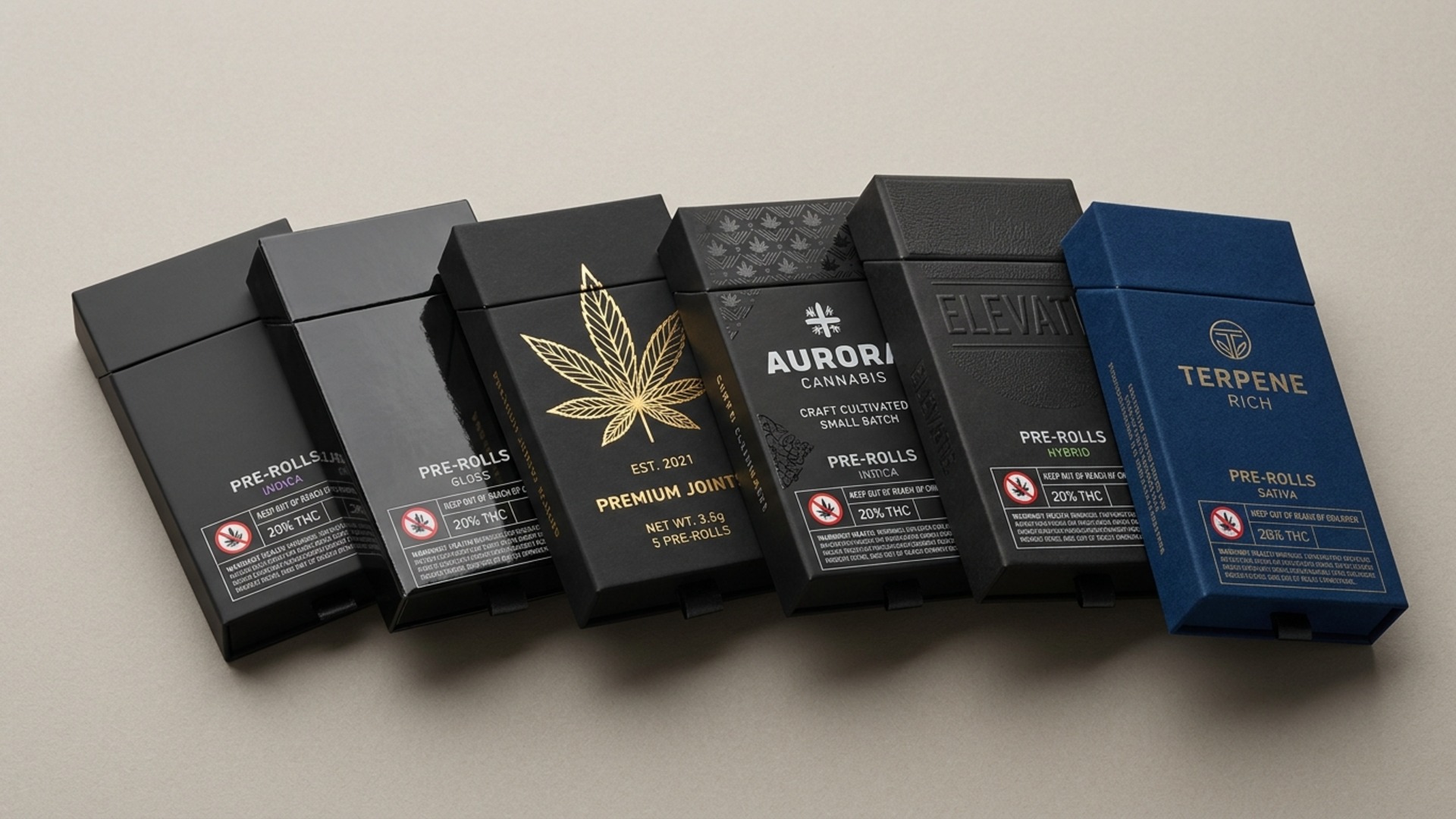
Table of Contents
Common mistakes that make pre-roll boxes look expensive but sell poorly
Recommended 420 Packaging products for different finish strategies
What counts as a packaging process on a pre-roll paper box?
On paperboard pre-roll boxes, “process” usually covers two layers. The first layer is the production work that makes the box function: die cutting, scoring, perforation, gluing, and structural assembly. The second layer is the visual and tactile finish that changes how the box looks and feels on shelf.
420 Packaging lists die cutting, gluing, scoring, and perforation as default processes on its custom pre-roll box product pages, while common finish choices include gloss, matte, spot UV, gold or silver foiling, embossing, and raised ink. Its broader pre-roll packaging pages also call out soft-touch, foil stamp, emboss/deboss, matte, and gloss for paperboard cartons.
| Process Type | What It Does | Why It Matters on Pre-Roll Boxes | Typical Source |
|---|---|---|---|
| Die cutting / scoring / gluing | Creates the box shape, fold lines, locking system, and final assembly | Without this layer, the box may look good in a render but open badly in real life | 420 Packaging product specs |
| Matte / gloss coating | Controls surface sheen and basic protection | Sets the overall feel before you add premium accents | 420 Packaging category page |
| Soft-touch | Adds a velvety tactile surface | Useful for premium SKUs where touch matters as much as looks | 420 Packaging finish page |
| Spot UV | Adds gloss only to selected areas | Best when you want contrast, not full-surface shine | 420 Packaging pre-roll box guide |
| Foil stamping | Applies metallic or pigmented foil with heat and pressure | Strong logo emphasis, premium cues, better for smaller focal areas | 420 Packaging finishes guide |
| Emboss / deboss / raised ink | Adds depth, texture, or height | Makes logos and brand marks feel intentional even when color use is restrained | 420 Packaging product options |
Practical rule: if your box has a child-resistant mechanism, pull-out tray, or divider insert, test the structure first and approve the finish second. Good finishing never fixes weak fit.
Quick-pick table: which finish fits which brand goal?
Most buyers do not actually need a list of every finishing option. They need a short answer to one question: “What should I choose for the type of product I am selling?” The table below is the fastest way to narrow it down.
| Brand Goal | Best Finish Direction | Why It Works | What to Avoid |
|---|---|---|---|
| Budget-friendly everyday pre-roll SKU | Matte or gloss only | Keeps artwork clean and production simpler | Soft-touch + foil + emboss all at once |
| Premium dispensary shelf presence | Soft-touch + restrained foil | Feels expensive without looking loud | Large foil fields that overpower the front panel |
| Bold logo recognition from a distance | Matte base + spot UV on logo | Creates contrast fast | Spot UV on dense small text |
| Luxury gift or launch edition | Foil + emboss or deboss | Adds both shine and depth | Too many competing graphic effects |
| Compliance-first multipack | Clean matte print + divider insert | Prioritizes function, readable labeling, and easy approval | Window cut-outs that steal label space |
| Sustainability-leaning brand story | Paperboard with simple print and minimal add-ons | Keeps the pack easier to explain and easier to sort after use | Plastic windows or unnecessary mixed-material extras |
The most common finishes, explained in plain English
1) Matte coating
Matte is the easiest way to make a pre-roll paper box look clean, modern, and controlled. It is often the safest default when the artwork already has strong color or dense compliance content.
Best for: everyday retail SKUs, minimalist branding, compliance-heavy layouts, and products that need a more serious tone.
Watch out for: flat-looking artwork if the design has no hierarchy. Matte works best when typography and spacing are already strong.
2) Gloss coating
Gloss adds surface shine and can make colors feel more vivid. It is still common because it is familiar, easy to understand, and works well on bright graphics.
Best for: louder visual brands, brighter color palettes, and entry-level packs that need energy more than texture.
Watch out for: over-reflection on busy artwork. A glossy box with too much copy can look crowded fast.
3) Soft-touch
Soft-touch gives the paperboard a velvety feel. 420 Packaging describes it as a finish with a pleasant, peach-skin-like tactile effect, and it is one of the simplest ways to make a pack feel premium before the customer even reads the front panel.
Best for: premium flower lines, limited drops, higher-margin launches, or gift-style presentation boxes.
Watch out for: using it on price-sensitive SKUs where the tactile upgrade is not likely to change purchase behavior.
4) Spot UV
Spot UV is selective gloss. Instead of making the whole box shiny, it highlights a logo, icon, strain badge, or small area of pattern. Used well, it gives you contrast without turning the whole front panel into glare.
Best for: matte-background boxes that need one focal point.
Watch out for: tiny text, thin lines, or cluttered art. Spot UV is strongest when it is selective enough to feel intentional.
5) Foil stamping
Foil stamping uses heat and pressure to apply foil instead of standard ink. On pre-roll paper boxes, it is most effective on logos, trim details, or one compact emblem. 420 Packaging’s own finishing guide makes the same point: foil performs best on smaller logo zones rather than oversized coverage.
Best for: premium positioning, holiday editions, and signature marks you want noticed immediately.
Watch out for: turning foil into the whole design. When everything is shiny, nothing stands out.
6) Embossing and debossing
Embossing raises an area. Debossing presses it inward. Either one gives a box physical depth that print alone cannot create.
Best for: restrained branding, premium logos, tactile brand marks, and understated luxury.
Watch out for: weak paperboard choices or overly detailed artwork that loses clarity when translated into relief.
7) Raised ink
Raised ink gives you a lifted printed feel without using embossing dies in the same way. It can be a useful middle ground when you want texture on logos or short brand cues.
Best for: short text, compact icons, or micro-texture zones.
Watch out for: trying to carry too much artwork with it. Raised ink should be an accent, not a rescue plan for weak design.
8) Window cut-outs
Technically this is more of a structural add-on than a finish, but buyers often group it with finishing decisions because it changes front-panel presentation. 420 Packaging lists custom window cut-outs as an option on several pre-roll box product pages.
Best for: showcasing the product or insert when regulations and labeling allow it.
Watch out for: stealing too much label space or making a child-resistant carton harder to balance visually.
Best finishing combinations that usually work
Matte + Spot UV: the safest way to create contrast without making the whole box flashy.
Soft-touch + Small foil logo: one of the strongest premium combinations for adult-use shelf appeal.
Matte + Emboss: great when you want the box to feel premium without leaning metallic.
Gloss + Bright graphic system: useful for bold, energetic house brands and lower-price tiers.
Why box structure changes the right finishing choice
This is where many packaging articles stay too generic. A finish is never just a finish. It behaves differently depending on whether the box is a simple tuck-style carton, a child-resistant pull-out box, a magnetic flip-top, or a divider-driven multipack. The more structure your pack has, the more important it becomes to keep the finish disciplined.
| Structure | What It Prioritizes | Finishes That Usually Fit Best | Why |
|---|---|---|---|
| Pull-out child-resistant box | Safety, adult usability, compliance | Matte, selective gloss, limited foil | Too many decorative layers can distract from the opening logic and crowd mandatory content |
| Magnetic flip-top multipack | Premium presentation and repeat opening | Soft-touch, foil, emboss | These boxes benefit from tactile cues because the user interacts with them more than once |
| Divider insert carton | Cone protection and neat presentation | Matte + spot UV or matte + foil logo | The internal structure already adds value, so the surface finish should support, not overpower |
| Simple retail carton | Speed, cost control, easy scale-up | Matte or gloss alone | Good for house brands, promotional runs, and faster quoting rounds |
Why inserts matter more than most buyers expect
420 Packaging repeatedly emphasizes inserts and divider options on its pre-roll pages because inserts do more than keep the pack neat. They reduce movement, lower tip damage risk, and make a multipack feel more deliberate at first open.
Do not choose finish before fit
A foil-stamped box with poor cone fit still feels cheap. A simple matte box with the right slot layout usually feels more trustworthy than a heavily embellished pack that lets the product rattle.
Common mistakes that make pre-roll boxes look expensive but sell poorly
Adding too many finishes to a small front panel
Foil, emboss, soft-touch, spot UV, and dense copy on one small pre-roll carton usually do not read as premium. They read as undecided.
Using spot UV on the wrong design elements
Spot UV is for emphasis. When applied to tiny legal text or already-busy patterns, it stops looking like emphasis and starts looking accidental.
Ignoring label space
Window cut-outs, giant logos, and oversized decorative effects often eat the exact real estate needed for strain data, warnings, and retail stickers.
Choosing soft-touch for every SKU
Soft-touch is great, but it is not a universal answer. Use it where touch meaningfully supports price and positioning.
Ordering a beautiful box without confirming the opening experience
For child-resistant packaging especially, adult usability matters. Official U.S. child-resistant guidance is built around packaging being difficult for children under five but still usable by adults.
Talking about sustainability while overbuilding the pack
If the brand story leans eco-conscious, keep the finishing story consistent. Paperboard is easier to explain than paperboard plus plastic window plus extra mixed-material layers.
A smarter approval sequence
Lock the pack type: single, 3-pack, 5-pack, or display-ready carton.
Confirm the opening system: pull-out, push lock, magnetic flip-top, or standard carton.
Test insert or slot fit with real cones.
Reserve space for required product and regulatory content.
Choose the base finish.
Add only one premium accent first.
Sample before scaling the embellishment stack.
Recommended 420 Packaging products for different finish strategies
The products below are useful not because they are simply “popular,” but because each one lines up with a different finishing strategy. The specs and images below are taken from official 420 Packaging product pages.
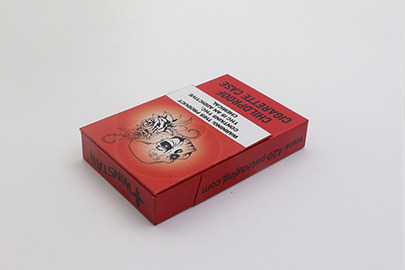
1) Pre Rolls Packaging Gold Foil Paper Cardboard
This is the cleanest product match if your article section is talking about gold foil, selective premium branding, and upscale pre-roll presentation. The official product page highlights gold foil paper labels, a child-resistant push lock, dividers, and a magnetic flip-top.
| Official Price | $0.09–$0.59 / piece |
|---|---|
| Structure | Child-resistant push lock, magnetic flip-top, divider options |
| Capacity | Designed for 5 rolled cigarettes |
| Printing | CMYK, PMS, or no printing |
| Paper Stock | 10pt to 28pt; eco-friendly kraft, E-flute corrugated, box board, cardstock |
| Coating | Gloss, matte, spot UV |
| Premium Options | Gold/silver foiling, embossing, raised ink, custom window cut-out |
| MOQ | 1,000–500,000 |
| Turnaround | 4–6 business days, rush available |
| Source | Official product page |
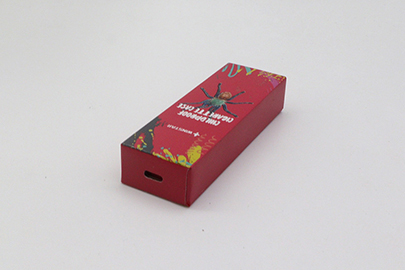
2) Marijuana Pre Roll Packaging Childproof Cardboard
If your buyer wants a more practical childproof format without building the whole design around premium decoration, this is a strong match. The official page describes a durable cardboard box with a pull-out structure sized for 1 to 3 pre-rolled joints.
| Official Price | $0.10–$0.23 / piece |
|---|---|
| Structure | Childproof cardboard box with pull-out structure |
| Capacity | 1 to 3 pre-rolled joints |
| Printing | CMYK, PMS, or no printing |
| Paper Stock | 10pt to 28pt; eco-friendly kraft, E-flute corrugated, box board, cardstock |
| Coating | Gloss, matte, spot UV |
| Premium Options | Gold/silver foiling, embossing, raised ink, custom window cut-out |
| MOQ | 1,000–500,000 |
| Turnaround | 4–6 business days, rush available |
| Source | Official product page |
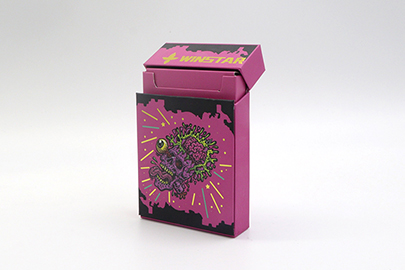
3) Pre Roll Packages With Cardboard Slots
This is the product to mention when explaining why internal structure often matters more than flashy finishing. The official page calls out a child-proof lock, pull-out inner tray, magnetic flip-top, and cardboard slot system for 5 rolled cigarettes.
| Official Price | $0.13–$0.35 / piece |
|---|---|
| Structure | Child-proof lock, pull-out inner tray, magnetic flip-top, slot/divider system |
| Capacity | 5 rolled cigarettes |
| Printing | CMYK, PMS, or no printing |
| Paper Stock | 10pt to 28pt; eco-friendly kraft, E-flute corrugated, box board, cardstock |
| Coating | Gloss, matte, spot UV |
| Premium Options | Gold/silver foiling, embossing, raised ink, custom window cut-out |
| MOQ | 1,000–500,000 |
| Turnaround | 4–6 business days, rush available |
| Source | Official product page |
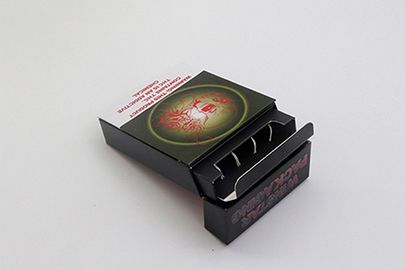
4) Custom Pre Roll Boxes Retail Wholesale
This is a flexible recommendation when the buyer wants a customizable retail or wholesale box with child-resistant logic, divider support, and a presentation-friendly flip-top. It is a useful example when explaining how one structure can support several finish directions.
| Official Price | $0.11–$0.49 / piece |
|---|---|
| Structure | Child-resistant push-button lock, dividers, magnetic flip-top |
| Capacity | 5-cigarette capacity |
| Printing | CMYK, PMS, or no printing |
| Paper Stock | 10pt to 28pt; eco-friendly kraft, E-flute corrugated, box board, cardstock |
| Coating | Gloss, matte, spot UV |
| Premium Options | Gold/silver foiling, embossing, raised ink, custom window cut-out |
| MOQ | 1,000–500,000 |
| Turnaround | 4–6 business days, rush available |
| Source | Official product page |
Related 420 Packaging resources worth linking internally
To keep the article useful for buyers and stronger for internal relevance, these are the most natural on-site links to add inside the body copy:
| Internal Page | Best Place to Link It | Why It Fits |
|---|---|---|
| Pre-Roll Packaging category | Early in the article when introducing box formats | Broad category page for shoppers who are still choosing box style |
| Pre-Roll Box guide page | Inside the section on inserts, dividers, and printing finishes | Supports the article’s points about movement control and finish selection |
| Cannabis Packaging Finishes and Production Guide | In the finish explanation section | Directly relevant to finish selection and production tradeoffs |
| Blank Pre-Roll Boxes Buying Guide | In the section about MOQ, wholesale planning, or starting simple | Helpful for buyers comparing custom versus simpler runs |
| Top 10 Features Dispensaries Want in Pre-Roll Packaging | Near the conclusion or buying checklist | Adds a retail-facing angle instead of talking only about print decoration |
Useful external references for buyer trust
For general U.S. packaging context, these are reasonable non-sales references to cite when needed:
FAQ
What is the most common finish for pre-roll paper boxes?
Matte and gloss are still the most common starting points because they are straightforward, versatile, and easy to combine with printed branding. Premium projects then layer in spot UV, foil, soft-touch, or embossing selectively.
Which finish makes a pre-roll box look the most premium?
There is no single winner, but soft-touch with a restrained foil logo is one of the most reliable premium combinations. It gives both tactile value and visual emphasis without making the whole pack look noisy.
Is spot UV better than foil stamping?
They solve different problems. Spot UV is better when you want selective contrast on a matte base. Foil is better when you want a logo or small graphic area to read as luxe from the first glance.
Do I need embossing on a pre-roll box?
No. Embossing is an upgrade, not a requirement. It works best when the brand mark is simple enough to benefit from real depth and when the budget allows for it.
What matters more: finish or insert?
For multipacks, the insert often matters more. A strong insert or slot layout keeps cones from moving, protects tips, and improves the first-open experience. A flashy surface finish cannot fix poor fit.
Can child-resistant pre-roll boxes still look premium?
Yes. Many premium pre-roll boxes are child-resistant. The key is to keep the mechanism intuitive for adults and to use finish choices that support the structure instead of distracting from it.
Are paperboard pre-roll boxes a better fit for eco-conscious branding?
They often are easier to position that way than plastic-heavy formats, especially when the design stays relatively simple. If sustainability is part of the brand story, keep add-ons disciplined and avoid unnecessary mixed materials.
How should I choose between matte and gloss?
Choose matte when you want a cleaner, more controlled, premium-leaning look. Choose gloss when your artwork is bright, energetic, and color-driven. If you want contrast, matte plus spot UV is often the best middle ground.
Bottom line
The most common finishing processes for pre-roll paper boxes are not difficult to list. The harder—and more useful—question is which one fits the product, the box structure, the price tier, and the way the pack will actually be handled in a dispensary or by the customer. That is why the best packaging decisions usually look less like “What finish should I add?” and more like “What job should this box do first?”
If the answer is compliance and clean fit, start simple. If the answer is premium shelf presence, soft-touch, foil, embossing, and spot UV all have a place—but only when the structure underneath already works.
Last updated: April 9, 2026